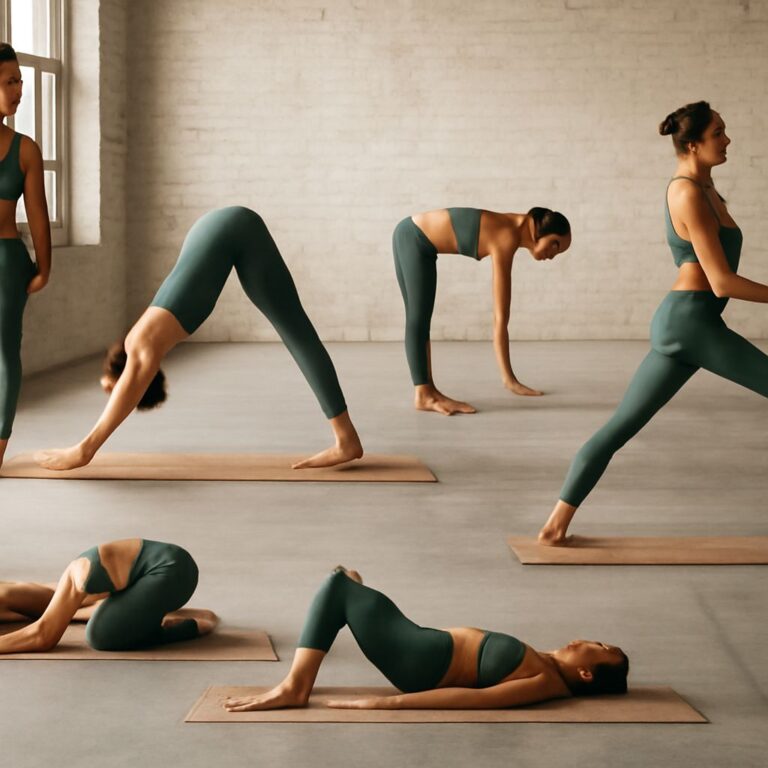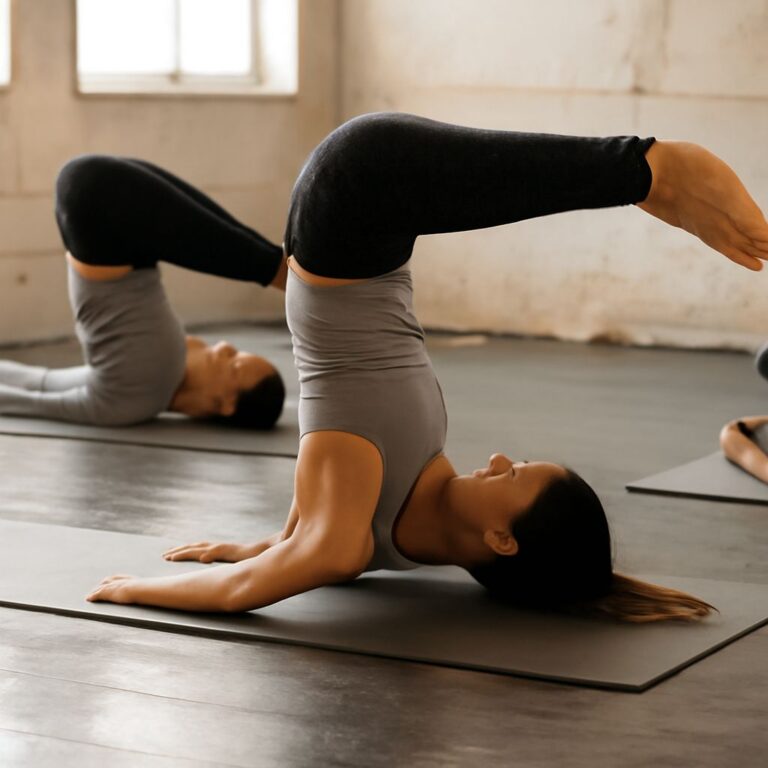
Many assume that yoga is merely a gentle practice suitable for relaxation and stress relief. However, this widespread belief overlooks the challenging side of yoga that demands incredible strength, balance, and flexibility. The hardest yoga poses, often referred to as extreme yoga poses, push practitioners beyond the limits of ordinary asanas, transforming both body and mind.
While yoga beginners might focus on basic alignment and foundational postures, dedicated yogis often aspire to master these advanced poses. Difficult yoga poses test boundaries, offering rewards in the form of heightened awareness and physical prowess. So, what does it take to conquer these challenging forms? Let’s explore the world of advanced yoga and discover how practitioners can safely elevate their practice.
Understanding Difficult Yoga Poses
Difficult yoga poses require more than just physical strength; they demand patience, dedication, and an understanding of one’s body. These poses challenge the core, build stamina, and enhance mental focus. By engaging multiple muscle groups simultaneously, they help in improving overall fitness and resilience.
In order to approach these advanced asanas, practitioners must cultivate a strong foundation. This means not only honing physical skills, like balance and flexibility, but also developing mental readiness. The journey toward mastering these poses is as much about the mind as it is about the body, requiring consistent practice and perseverance.
Top Hardest Yoga Poses to Try
For those ready to push their practice to the next level, here are some of the hardest yoga poses to explore. Each pose offers unique challenges and benefits, allowing yogis to deepen their practice progressively.
Arm Balances
Arm balances are renowned for their difficulty and the upper body strength they require. Poses like the Peacock Pose (Mayurasana) and Firefly Pose (Tittibhasana) demand significant core engagement and wrist strength. Achieving these poses can bolster confidence and provide a sense of accomplishment.
Inversions
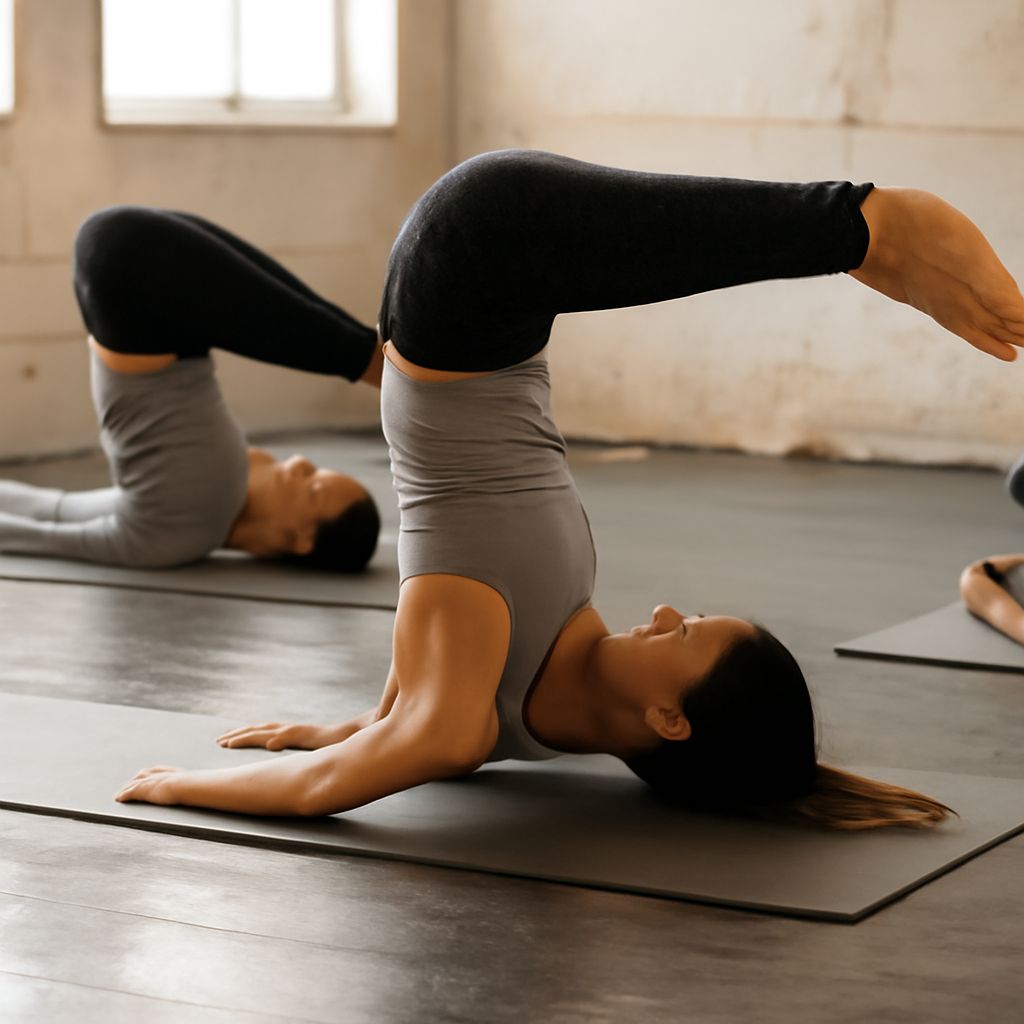
Inversions are among the most extreme yoga poses, requiring practitioners to flip their perspective—literally. The Forearm Stand (Pincha Mayurasana) and Handstand (Adho Mukha Vrksasana) challenge balance and agility. These poses encourage overcoming fear and developing trust in one’s abilities.
Tips for Mastering Extreme Yoga Poses
Mastering extreme yoga poses involves more than repeated practice. Here are some strategic tips to enhance your journey:
- Build a strong foundation: Focus on strengthening the core, shoulders, and wrists. Basic poses like Plank and Chaturanga are excellent for building essential strength.
- Practice patience: Rushing into advanced poses can lead to injury. Take time to perfect simpler forms before advancing.
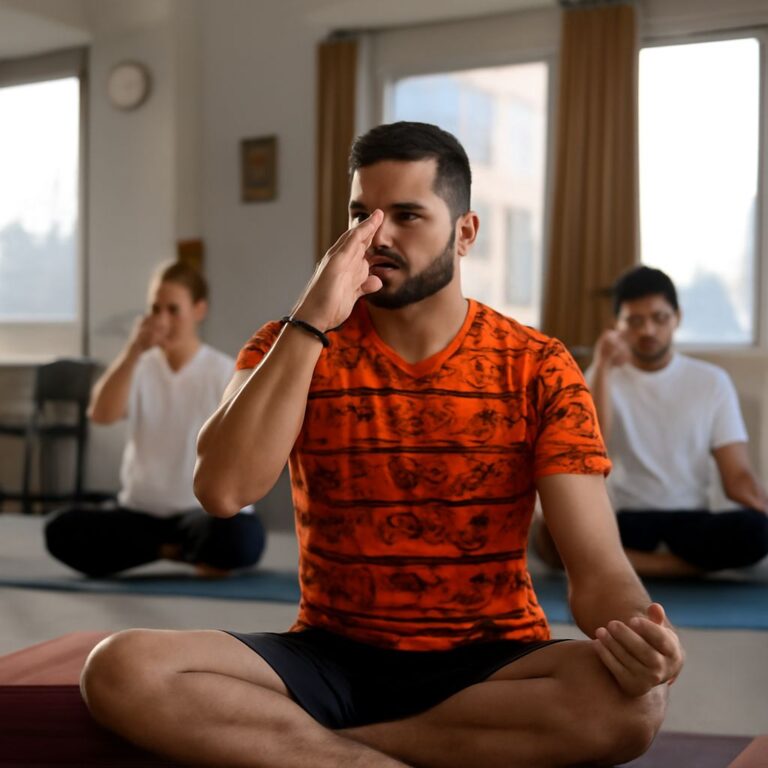
- Incorporate pranayama: Breathing techniques can improve concentration and help maintain calm through challenging postures.
- Seek guidance: Attend advanced classes or workshops where experienced instructors can provide personalized feedback and adjustments.
Always remember that yoga is a personal journey. The hardest yoga poses are not about competition but about personal growth and self-discovery.
Safety recap: When attempting difficult yoga poses, prioritize safety. Use proper equipment like yoga mats or blocks to aid stability, and never hesitate to rest if needed. As you explore these poses, practice mindful awareness to prevent strain and injury.