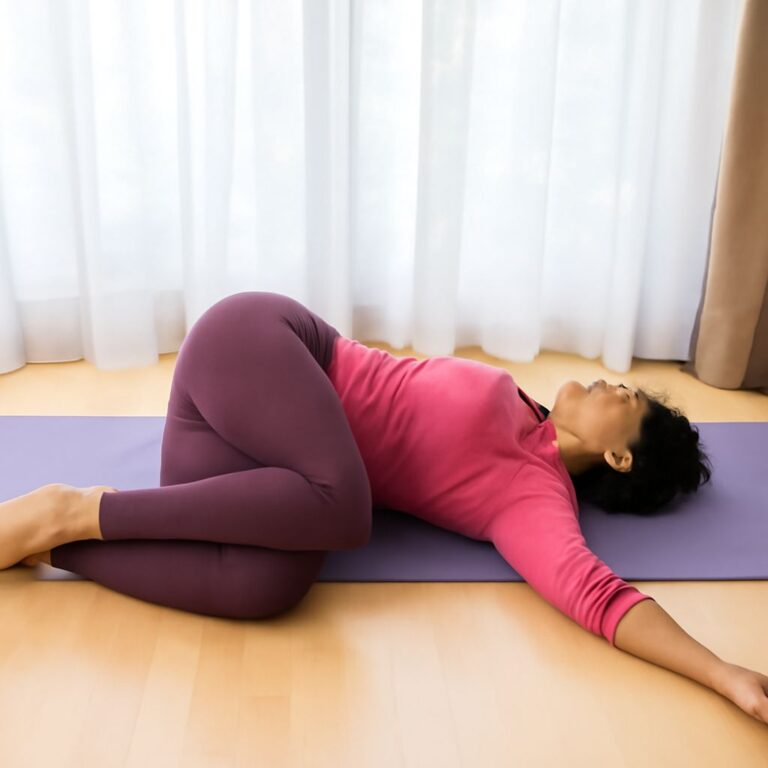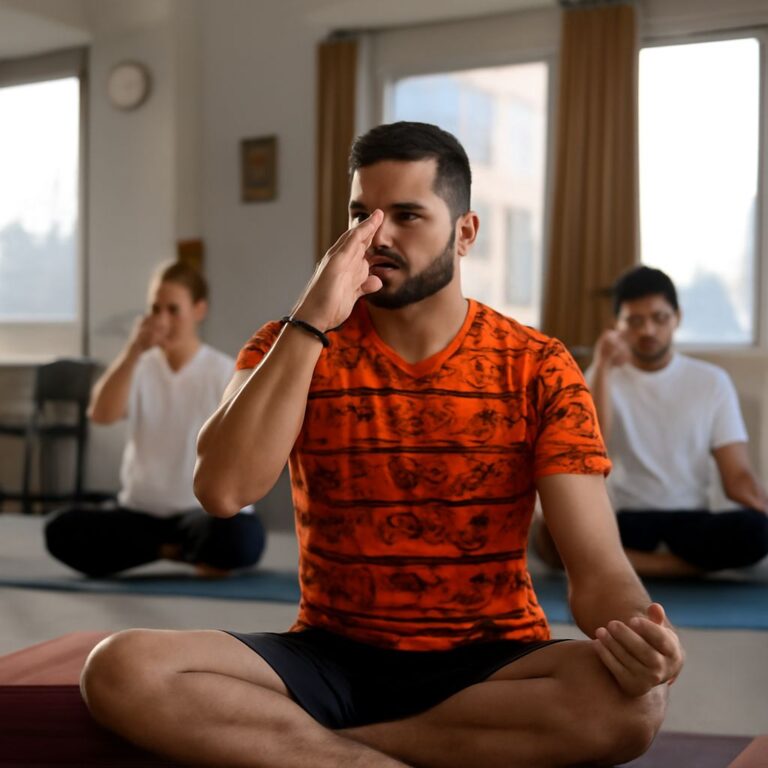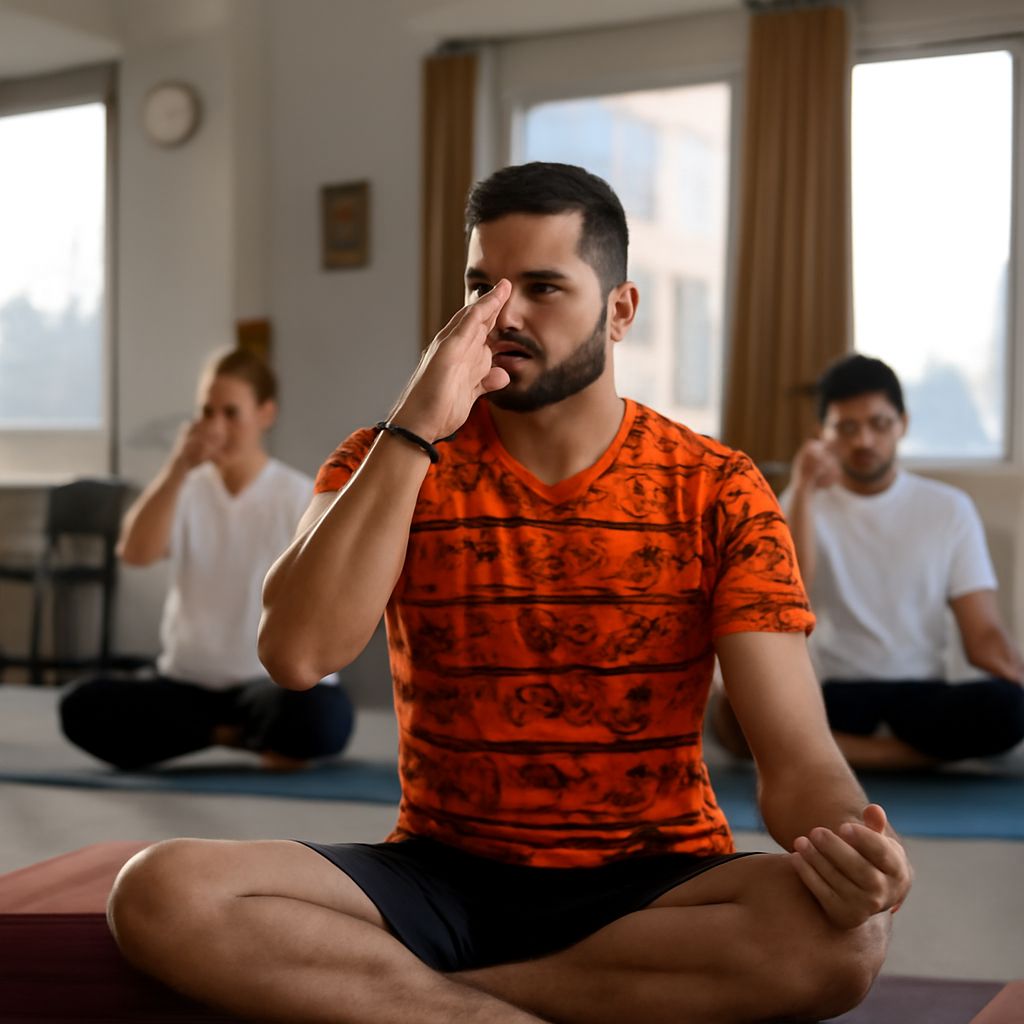
Many people believe that becoming a yoga instructor is a mystical and unattainable goal reserved for those with years of practice and innate flexibility. However, with the right guidance and structured 200 hour yoga teacher training, anyone with dedication can embark on this transformative journey. Myths about needing to be in perfect shape or having advanced skills often deter potential instructors from pursuing their dreams. The truth is, the best yoga teacher training programs are designed to accommodate all levels, focusing on comprehensive education rather than perfection.
Embarking on a yoga teaching path involves more than just mastering poses; it requires understanding yoga’s philosophy, anatomy, and teaching methodologies. With the right yoga courses under your belt, you can find your unique voice and style as an instructor. The journey to become a yoga instructor is both challenging and rewarding, paving the way for personal growth and the ability to inspire others.
Introduction to 200 Hour Yoga Teacher Training
The 200 hour yoga teacher training is the standard entry-level course for aspiring yoga instructors. This foundational program covers a wide range of subjects essential for teaching yoga professionally. Participants learn about the history and philosophy of yoga, human anatomy, teaching techniques, and the art of sequencing classes. Through this process, trainees build a strong foundation for their teaching careers.
These programs typically span over four to six weeks of intensive learning, or they can be spread over several months to accommodate different schedules. The format often includes lectures, hands-on practice, and mentorship opportunities, ensuring that graduates feel prepared to lead classes confidently upon completion.
How to Become a Yoga Instructor
Steps to Certification
To become a certified yoga instructor, the first step is choosing a recognized training program. Most students start with the 200 hour certification, which is internationally recognized and often a prerequisite for advanced training levels. During the course, students engage in physical practice, learn theoretical components, and complete teaching practicums.
After completing the program, graduates must register with a yoga alliance or governing body to officially become a yoga instructor. This registration often requires a fee and a commitment to continue education through workshops or additional courses.
Skills Required
Successful yoga instructors possess a blend of technical skills and personal attributes. Apart from mastering asanas, or poses, instructors need an understanding of yogic philosophy and anatomy to ensure students’ safety and enhance their experience. Effective communication and empathy are also crucial, as they help in guiding diverse groups of students through their practice.
Moreover, adaptability and an eagerness to learn continually are vital. The yoga landscape is ever-changing, with new styles and approaches emerging. An open-minded approach allows instructors to evolve with these changes, ensuring their teaching remains relevant and engaging.
Yoga Courses Overview
Yoga courses form the backbone of any teacher training program. They cover a variety of subjects like asana practice, meditation techniques, pranayama (breath control), and the study of ancient texts like the Yoga Sutras. Each component plays a significant role in shaping well-rounded instructors capable of teaching comprehensive yoga classes.
Asana practice is perhaps the most visible element, but it is the deeper understanding of yoga philosophy and lifestyle that truly differentiates a proficient teacher. Courses often include workshops on ethics, business skills, and student-teacher dynamics to prepare instructors for all aspects of their career.
Best Yoga Teacher Training Programs
Factors to Consider
When selecting a training program, several factors should be considered to ensure a good fit. The reputation of the school and the experience of its instructors are crucial. Look for programs accredited by recognized yoga alliances, as these ensure a standard of quality and credibility.
Additionally, consider the style of yoga taught. Whether it’s Ashtanga, Vinyasa, Hatha, or another form, the style should resonate with your personal practice and teaching aspirations. Location, schedule, and cost are also significant considerations that will influence your decision.
Top Recommendations
There are numerous best yoga teacher training programs worldwide, offering diverse experiences. In India, the birthplace of yoga, many schools offer immersive programs that delve deep into traditional practices. In the United States, institutions like YogaWorks are renowned for their comprehensive curriculum and experienced faculty.
Programs in Bali and Costa Rica provide a serene environment conducive to learning, while European options often blend modern approaches with traditional teachings. Each program has its unique strengths, so it’s essential to research thoroughly and choose one that aligns with your goals.
Pro tips recap: When considering how to begin your yoga teaching journey, focus on finding a 200 hour yoga teacher training that fits your personal and professional needs. Prioritize programs that offer a balance of theory and practice, and ensure they are aligned with recognized standards. Embrace the learning process, and remember that the journey to become a yoga instructor is as enriching as the destination itself.