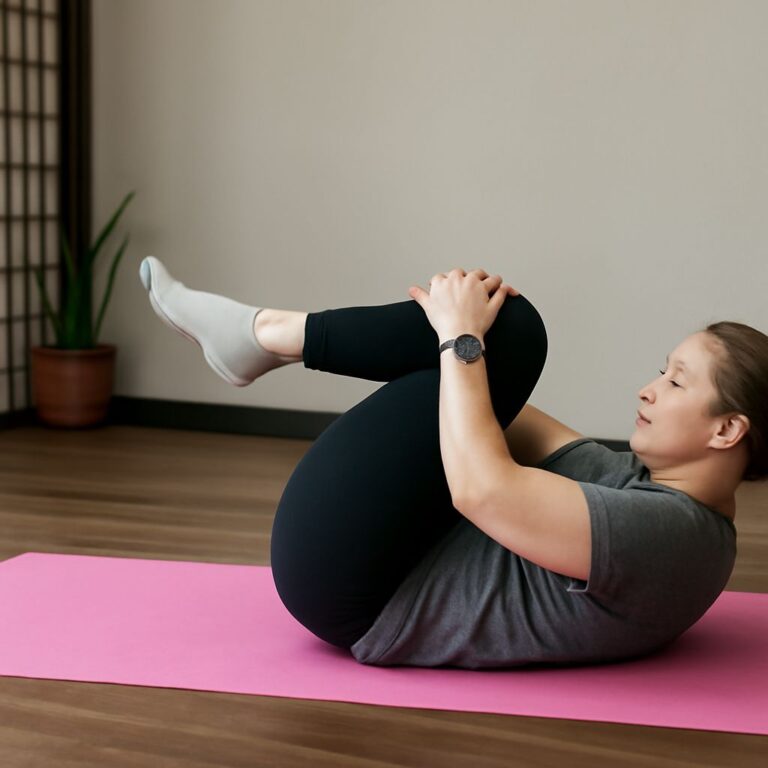
It’s a common misconception that physical activity and exercise are one and the same. While people often use these terms interchangeably, they actually represent different concepts within the realm of fitness. Understanding the distinction is crucial for maximizing the health benefits of each. Let’s delve into the nuances of exercise vs physical activity to clear up any confusion.
At its core, physical activity encompasses all movement that expends energy, while exercise is a structured form of this movement. Both play vital roles in leading a healthy lifestyle, but knowing the difference can enhance your fitness journey and help you make informed choices about your daily routine.
Definition and Overview
Physical activity refers to any bodily movement produced by skeletal muscles that results in energy expenditure. It includes a wide range of activities, from walking and gardening to household chores and even fidgeting. Essentially, any movement that gets your body moving and burns calories falls under this category.
Exercise, on the other hand, is a subcategory of physical activity. It is planned, structured, and repetitive, with the ultimate goal of improving or maintaining physical fitness. Activities such as running, weightlifting, and aerobics are all examples where individuals engage deliberately to boost health-related fitness levels.
While every exercise is a form of physical activity, not all physical activity qualifies as exercise. The intention behind the movement differentiates the two, as exercise is often goal-oriented with a dedicated regimen.
Health Benefits Compared
Physical Activity Benefits
Engaging in regular physical activity provides numerous health advantages. For starters, it can significantly reduce the risk of chronic diseases such as cardiovascular disease, type 2 diabetes, and some cancers. Moreover, even low-intensity activities, like walking or light gardening, can bolster mental health by reducing symptoms of depression and anxiety.
Physical activity also plays a pivotal role in weight management. By increasing the number of calories you burn each day, it helps to maintain a healthy weight or promote weight loss when combined with dietary changes. Additionally, consistent movement enhances your ability to perform daily activities, improving overall quality of life.
Exercise Benefits
Exercise, with its structured nature, tends to have more pronounced effects on physical fitness. Regular exercise can significantly improve cardiovascular health, strengthen muscles, and enhance endurance. These improvements can lead to better performance in daily tasks and physical activities.
Furthermore, exercise is associated with enhanced mental acuity and focus. Activities like cycling, strength training, and yoga can boost brain health, supporting cognitive functions and potentially delaying the onset of cognitive decline in older adults.
Exercise also has a profound impact on emotional well-being. It can elevate mood, increase energy levels, and promote better sleep quality. The endorphins released during exercise produce feelings of happiness and euphoria, often referred to as the “runner’s high.”
Incorporating both physical activity and exercise into your routine offers a comprehensive approach to health and fitness. While physical activity ensures you’re moving regularly, exercise provides specific improvements in fitness and health markers. By understanding the difference and leveraging the benefits of both, you can create a balanced lifestyle that supports your overall well-being.