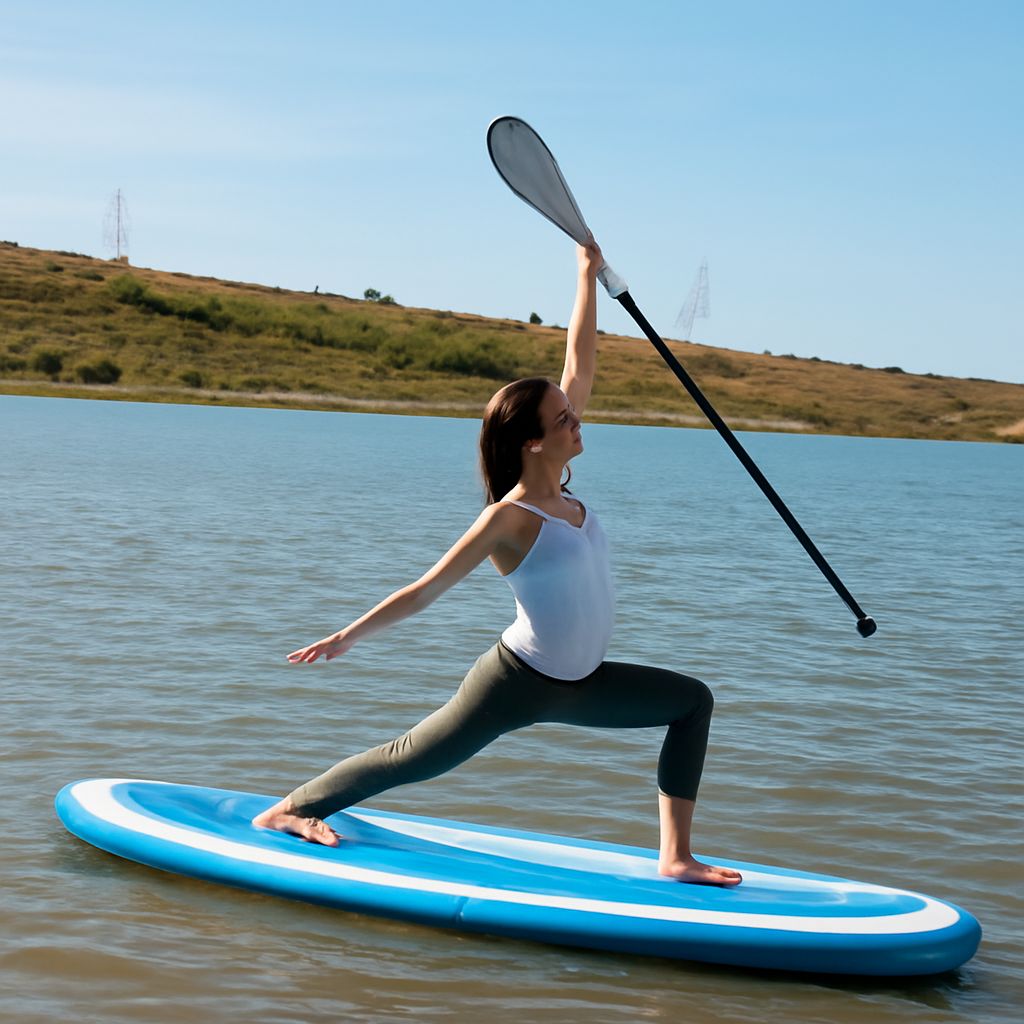
Imagine gliding across serene waters while engaging in a mindful yoga practice. You might think that the shifting surface of a yoga paddle board is an impossible setting to find inner peace, but paddle board yoga defies such assumptions. Not only does it harmonize the serenity of the water with the discipline of traditional yoga, but it also offers a unique and invigorating twist to your practice.
The principles of purusha yoga seamlessly integrate into this aquatic environment, allowing practitioners to delve deeper into their spiritual and physical journey. The fusion of these elements creates a holistic experience that challenges preconceived notions of both yoga and balance. As you explore the art of paddle board yoga, you’ll find yourself redefining stability, connection, and presence.
Introduction to Sup Yoga
What is Sup Yoga?
Sup Yoga, or Stand-Up Paddle Board Yoga, combines the fundamentals of traditional yoga with the added challenge of balancing on a paddleboard. Practitioners perform asanas while floating on water, often in serene outdoor settings. This practice enhances core strength and engages muscles differently than land-based yoga.
Benefits of Sup Yoga
Engaging in paddle board yoga offers myriad benefits. The instability of the water demands heightened concentration, fostering improved focus and mental clarity. Additionally, the constant micro-adjustments required to maintain balance contribute to strengthening stabilizer muscles, which are often neglected in conventional yoga practices. This dynamic workout also promotes a deeper connection with nature, providing an opportunity for mindfulness and relaxation.
Getting Started with Paddle Board Yoga
Essential Equipment
To begin your journey with paddle board yoga, you’ll need a few key pieces of equipment. A quality yoga paddle board designed for stability is essential, as is a paddle to navigate the waters. Consider investing in a leash for safety, and don’t forget a personal flotation device. Comfortable, water-friendly yoga attire will enhance your experience.
Finding Balance on Water
Balancing on water is both challenging and rewarding. Start by practicing basic poses, such as Warrior or Downward Dog, to acclimate to the board’s motion. Gradually introduce more complex asanas as your confidence grows. Remember, falling into the water is part of the learning process, so embrace it with humor and grace!
Comparing Traditional Yoga and Paddle Board Yoga
Key Differences
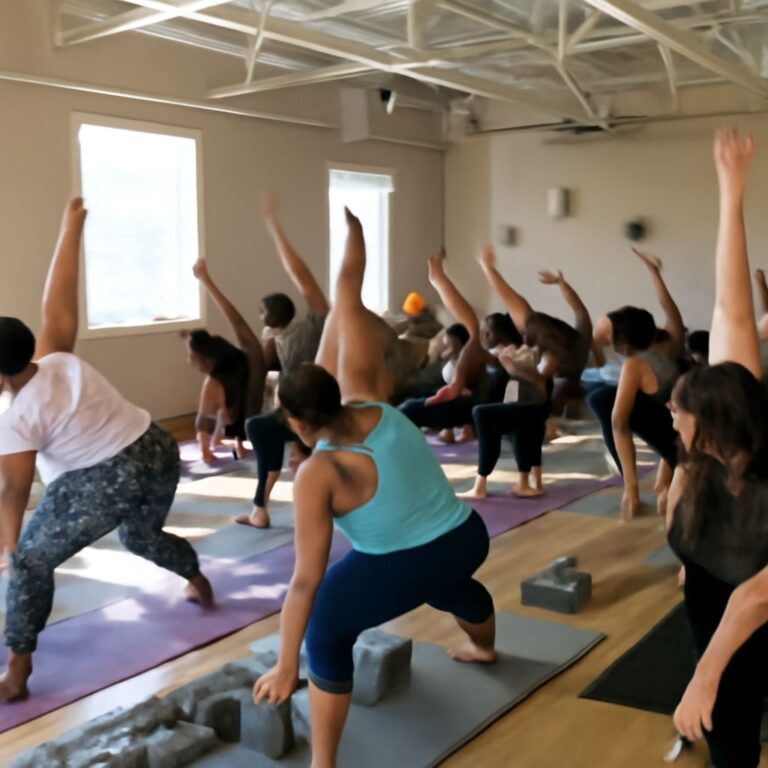
While traditional yoga primarily takes place on solid ground, paddle board yoga requires adjustments to maintain poise on a moving surface. This difference demands greater core engagement and focus. The water element adds a refreshing dynamic that enhances the meditative aspect of yoga as practitioners are surrounded by the natural environment.
Blending Techniques
Integrating techniques from both practices can enhance your overall yoga journey. Breathing techniques from traditional yoga, combined with the focus required for paddle board yoga, create a powerful synergy. Practicing Sun Salutations or Vinyasa flows on a board can further blur the lines between these two forms, enriching your experience.
Exploring Purusha Yoga on the Water
Understanding Purusha Yoga
Purusha Yoga focuses on the inner self and consciousness, aiming to connect practitioners to their spiritual essence. This philosophy integrates seamlessly with paddle board yoga, as the tranquil setting encourages introspection and mindfulness. Practicing on water facilitates a meditative state where one can connect deeply with the purusha, or the true self.
Incorporating Principles
To incorporate purusha yoga principles into your paddle board practice, start by setting an intention before each session. Use the natural surroundings to enhance your connection with the elements and promote a sense of unity with the universe. Meditative breathing and visualization techniques can elevate your practice, providing profound insights and tranquility.
Choosing the Right Yoga Paddle Board
Considerations
Selecting the perfect yoga paddle board involves considering factors like stability, size, and material. A board with a wider deck offers more stability, making it easier to maintain poses. Consider the weight capacity to ensure it can support you comfortably, and opt for durable materials that withstand various water conditions.
Top Picks
Popular options for yoga paddle boards include inflatable models for easy transport and storage. Boards with non-slip surfaces and attachment points for accessories are also advantageous. Reading reviews and seeking recommendations from fellow practitioners can guide you in making an informed choice.
Conclusion
Final Thoughts
Paddle board yoga is a rewarding practice that challenges both body and mind. It offers a unique opportunity to blend the principles of traditional and purusha yoga with the fluidity of the water. As you embark on this aquatic adventure, embrace the journey with openness and curiosity.
Pro tips recap: Start with essential gear, embrace the instability of water, blend traditional techniques for balance, and connect with the purusha through mindful practice. Choose the right board to maximize your experience, and most importantly, enjoy the journey on this floating yoga mat.