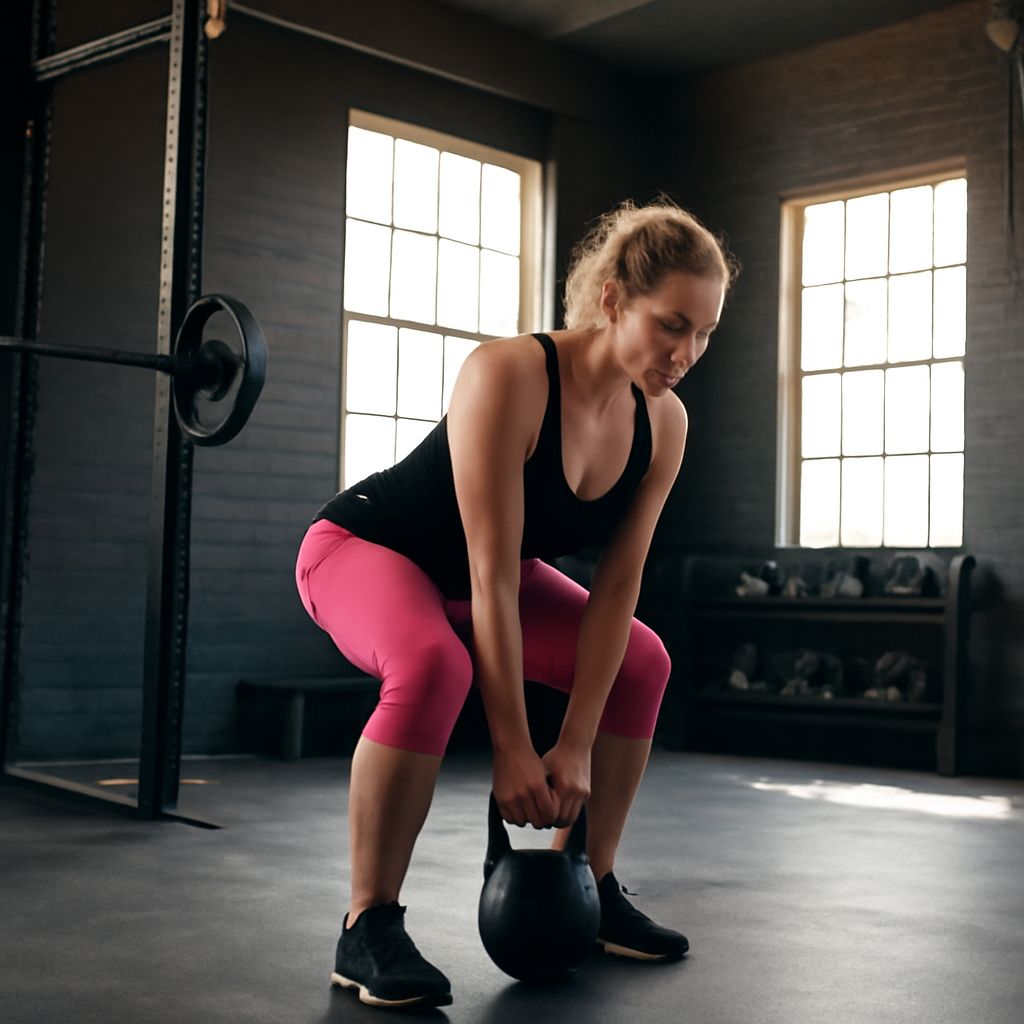
The kb deadlift is underappreciated as a teaching tool for the hip hinge pattern. Kettlebell deadlifts allow the weight to sit directly below the center of mass — unlike a barbell, which is positioned in front of the feet — creating a more natural loading angle for beginners learning the movement. A kettlebell rack gives you organized access to multiple bell sizes, making progressive loading more manageable for dedicated home or commercial training spaces.
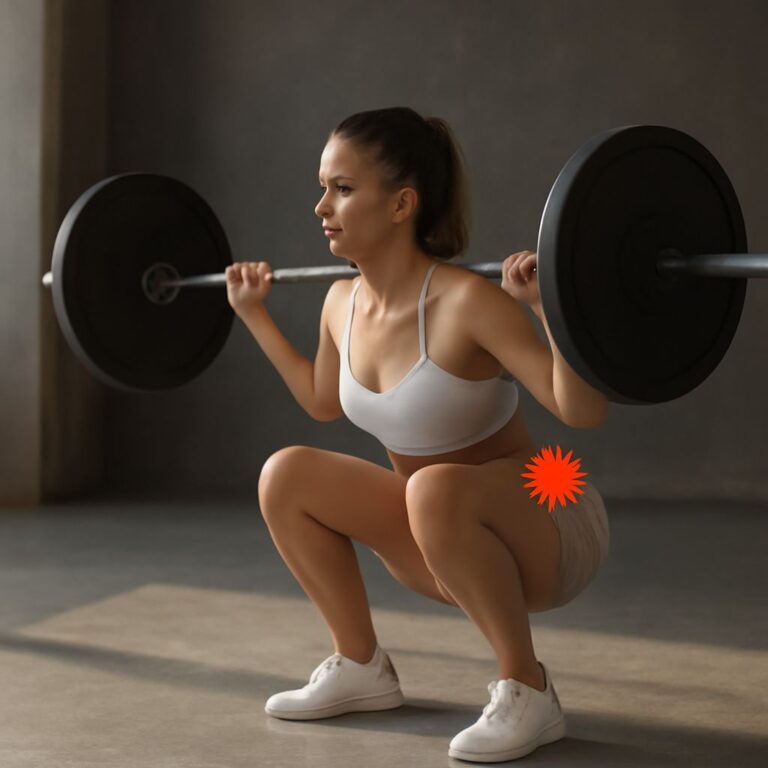
How to do deadlifts with dumbbells follows similar mechanics to the kettlebell variation, though the dumbbell shape requires slightly more wrist control to keep the weights vertical. Squats and deadlifts same day programming is a classic strength training approach — understanding the recovery overlap between these movements helps you sequence sessions intelligently.
Technique for the Kettlebell Deadlift
Stand over the kettlebell with feet hip-width apart, bell between and slightly in front of your ankles. Hinge at the hips while keeping the back flat, reach down to grip the handle, and brace the core. The shoulders should be slightly in front of the bell at the start. Drive through the floor and extend the hips to standing, squeezing the glutes at lockout.
The descent follows the same pattern in reverse — push the hips back first, lower the bell to the floor with control, and reset the tension before the next rep. This dead-stop approach at the bottom is what makes it a “deadlift” — the weight starts dead on the floor each time, eliminating the bounce and momentum that reduce training stimulus.
Single Leg Kettlebell Deadlift Variation
The single-leg kettlebell deadlift develops hip stability and addresses bilateral imbalances simultaneously. Hold one bell in the contralateral hand, hinge forward on one leg while the other extends behind, and lower the bell until you feel a hamstring stretch. This variation is more demanding on the stabilizing systems than the bilateral variation and should be introduced only after solid bilateral technique is established.
Squats and Deadlifts Same Day: Programming Considerations
- Both movements tax the same primary movers — glutes, hamstrings, and erector spinae
- The combination works best when one movement is heavy and the other is accessory volume
- Heavy squats first, moderate deadlifts second is the most common sequencing for strength goals
- Allow 48 to 72 hours of recovery before training the same movement patterns again
Next steps: Begin with double kettlebell deadlifts to learn the movement at a manageable load. Progress to single-leg work once bilateral technique is solid. Invest in a kettlebell rack once you own more than three bells — organization dramatically reduces friction in your training sessions and keeps your floor clear of trip hazards.