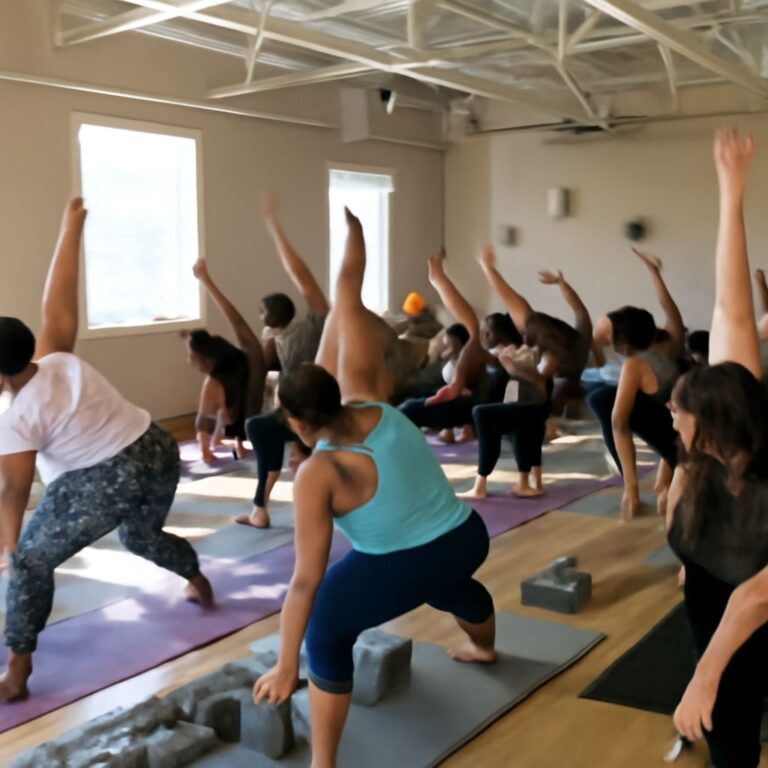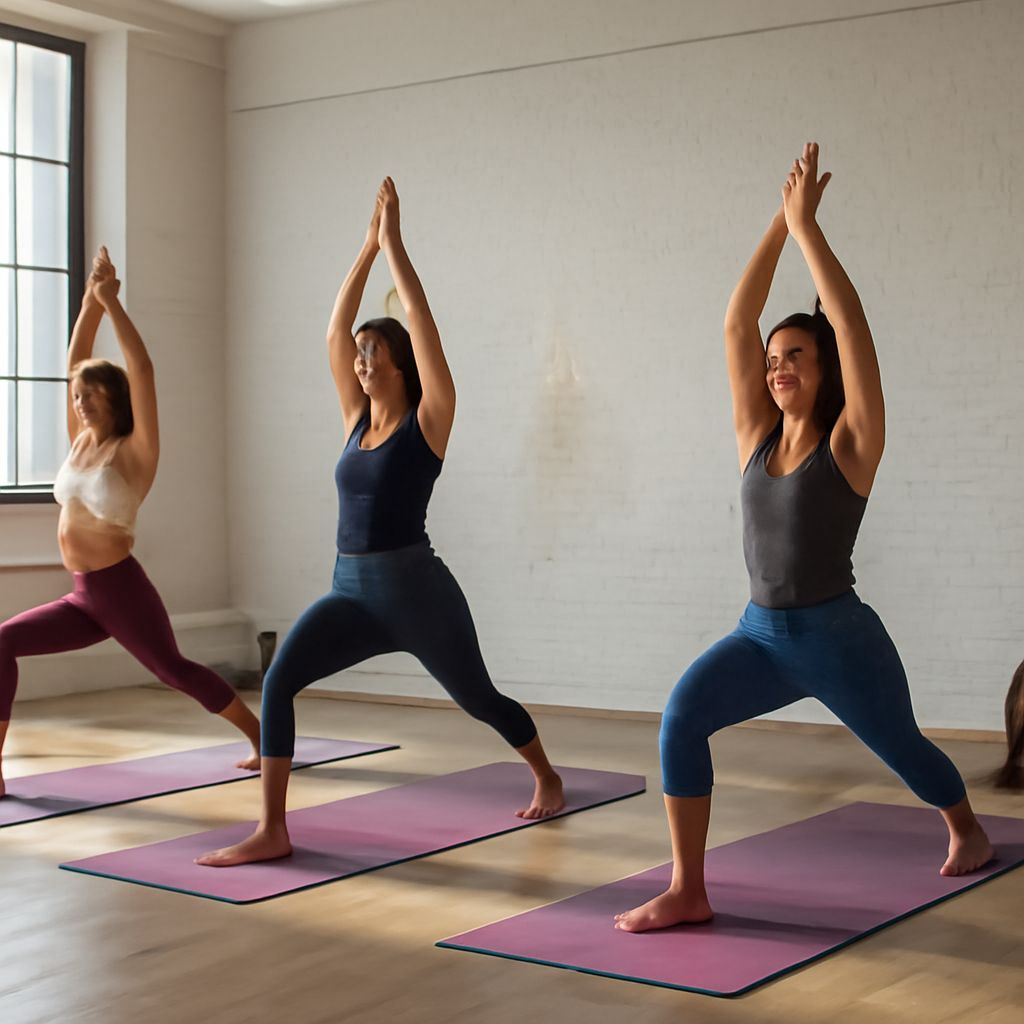
Yoga events have expanded well beyond studio drop-ins. You can now find yoga on rooftops, in parks, on piers, and in popup markets — formats that were rare a decade ago and are now part of how communities build a shared practice. Island yoga gatherings draw people to shoreline locations where tidal rhythm and open sky change the quality of attention you bring. Area yoga options in most cities have multiplied: community centers, libraries, breweries, and corporate campuses all host classes. Even street yoga — organized outdoor sessions in public spaces — has developed a following in urban neighborhoods where access to studios is limited by cost. A yoga room schedule, once printed on paper and pinned to a studio wall, now lives in apps and Google Calendars with waitlist automation. None of this replaces good teaching. But it dramatically expands your options for finding consistent, affordable practice without a fixed membership.
The myth that yoga requires a studio membership to be taken seriously keeps many people from exploring the formats that might actually suit them better. The practice doesn’t change because the setting does.
Finding the Right Yoga Events in Your Area and Beyond
Local yoga events appear in several places that most practitioners overlook. Eventbrite and Meetup.com both aggregate community yoga sessions, workshops, and pop-ups that don’t appear on studio websites. Search your city plus “yoga” and filter by date — you’ll often find free or donation-based classes from certified teachers building community rather than revenue. Social media, particularly Instagram and Facebook, surfaces hyper-local events through location tags and community groups. Search your neighborhood name plus “yoga” in both platforms and follow local teachers who post their upcoming sessions.
Area yoga studios often host events beyond their regular schedule — outdoor flows in summer, workshops with visiting teachers, and retreat preview sessions that are open to the public. These events give you a chance to experience a teacher or style before committing to a full program. Check studio newsletters and social accounts, not just their class schedule pages. Many of the best offerings aren’t in the main navigation.
Island yoga events — particularly those organized around coastal locations, resort communities, or island retreats — often pair yoga with water activities, local food, and community building. These aren’t always expensive destination retreats. Many coastal towns host weekly shoreline yoga sessions free to the public, organized by local teachers. If you’re near water, search specifically for your nearest coastal community plus “yoga” — the results often surprise people who assumed this was only available at premium resorts.
Street yoga has gained traction through organizations like Off the Mat Into the World and local nonprofit studios that bring practice into underserved areas. If you want to experience yoga outside the commercial studio model, look for community organizations hosting classes in parks or public squares. These sessions often welcome all levels and operate on a pay-what-you-can basis.
Making the Most of Your Yoga Room Schedule and Community
A yoga room schedule looks simple — times, teachers, style labels. But reading it strategically takes a bit more knowledge. Style labels like “Flow,” “Vinyasa,” “Hatha,” or “Restorative” indicate pace and intensity. Flow and Vinyasa mean movement-linked-to-breath at varying speeds. Hatha typically means a slower, posture-focused class. Restorative means supported, long-hold poses with bolsters and blankets. If the style label is unfamiliar, call the studio or read the description carefully — mismatching your experience level to a class style is the most common source of discouraging first visits.
Teacher names matter as much as style labels. Different teachers bring different cuing, pacing, and emphasis even within the same style. If you attend three classes with three different teachers in the same Vinyasa slot and find one resonates significantly more, follow that teacher. Check whether they teach at multiple times during the week, and build your schedule around their availability rather than the most convenient time slot.
Community is what separates a sustainable practice from an on-again, off-again one. Regular event attendance — workshops, community classes, outdoor sessions — builds relationships with practitioners at similar stages of their practice. Those relationships create accountability. You’re more likely to show up on a cold morning if you know three people expecting to see you. Online communities tied to specific studios or teachers can serve this function too, but the in-person version tends to be more durable.
Next steps: Search Eventbrite and Meetup for upcoming yoga events in your area this week. Browse your nearest studio’s full schedule and read teacher bios before your next class. If you haven’t tried an outdoor or street yoga session, set a reminder to look for one in the next 30 days — the format often reignites motivation in practitioners who’ve gone stale with indoor studio routines.