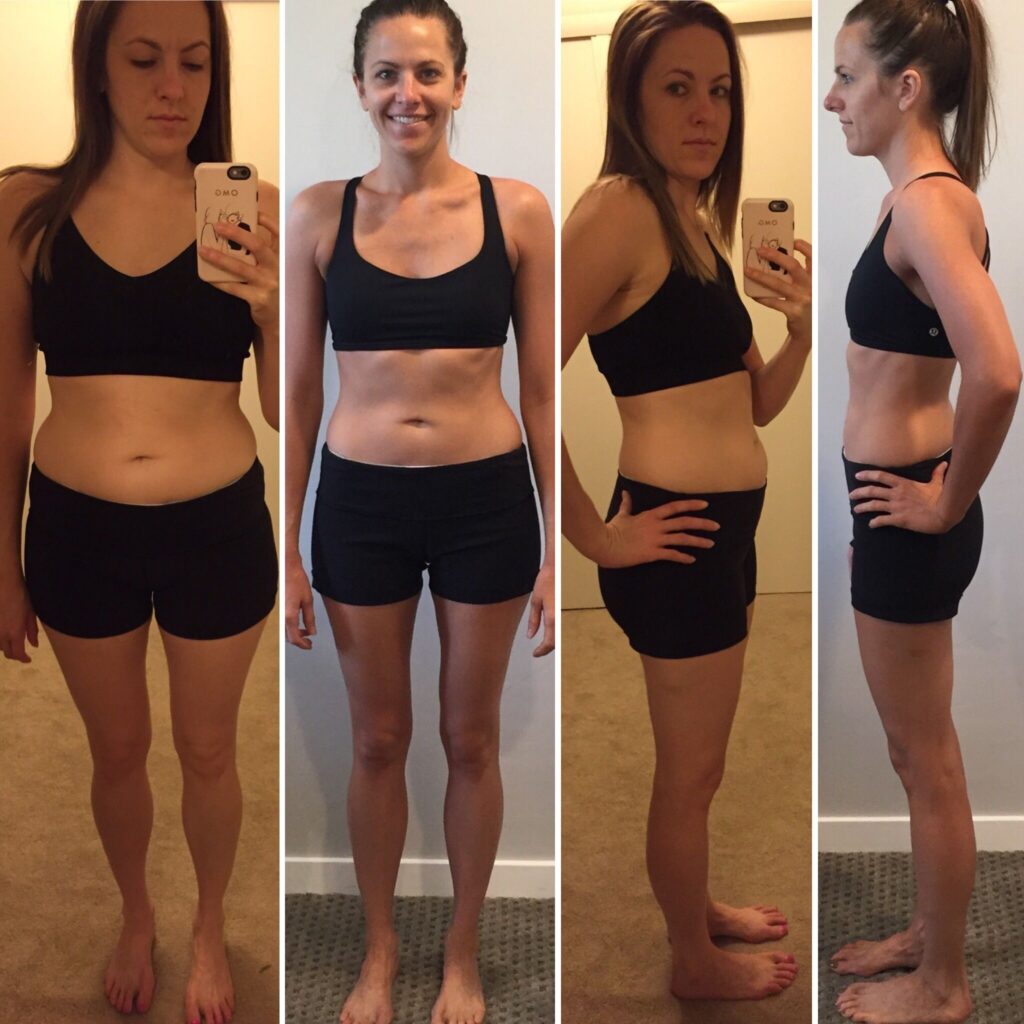
Social media feeds are full of dramatic yoga before and after images that can create unrealistic expectations — or, equally problematically, make yoga seem trivial compared to other training modalities. The reality of yoga body transformation is both more modest and more profound than the typical before-and-after post suggests. Yoga body before and after photos typically show changes in posture, muscle tone, and body composition that develop over many months of consistent practice — not the dramatic weight loss implied by aggressive social media framing. The genuine changes from before and after yoga practice, documented carefully over time, include measurable improvements in flexibility, strength, stress physiology, sleep quality, and body awareness. And the popular 30 days of yoga before and after format, while motivating, often sets an unrealistic timeline for changes that actually require six months to a year of consistent practice to fully manifest.
Understanding what yoga actually changes — and on what timeline — helps practitioners set appropriate expectations and sustain the practice long enough to experience the real benefits. Here is what the evidence shows.
Physical Changes From Consistent Yoga Practice
Posture, Muscle Tone, and Flexibility Timelines
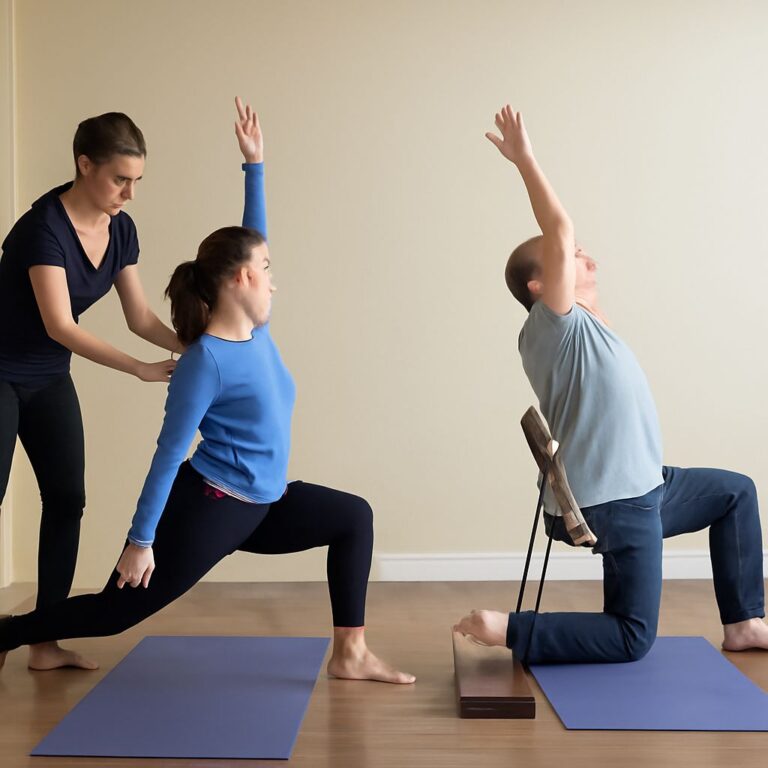
Postural changes are among the earliest visible effects of regular yoga practice. The consistent practice of spinal extension, shoulder opening, and hip flexor lengthening counteracts the anterior chain shortening that occurs from prolonged sitting and screen use. Many practitioners notice improved head position, reduced thoracic kyphosis, and a more open chest within the first two to three months of regular practice. These postural shifts are visible in photographs and often noticed by others before the practitioner consciously registers them.
Muscle tone changes appear more slowly than postural improvements. Yoga builds lean muscular endurance rather than maximum strength. The muscles that change most visibly are typically the core, arms, and the smaller stabilizing muscles around the hips and ankles — areas that direct resistance training often misses. The visual change is a general firming rather than pronounced muscle definition, which suits many practitioners but surprises those who expect dramatic hypertrophy from intensive vinyasa practice.
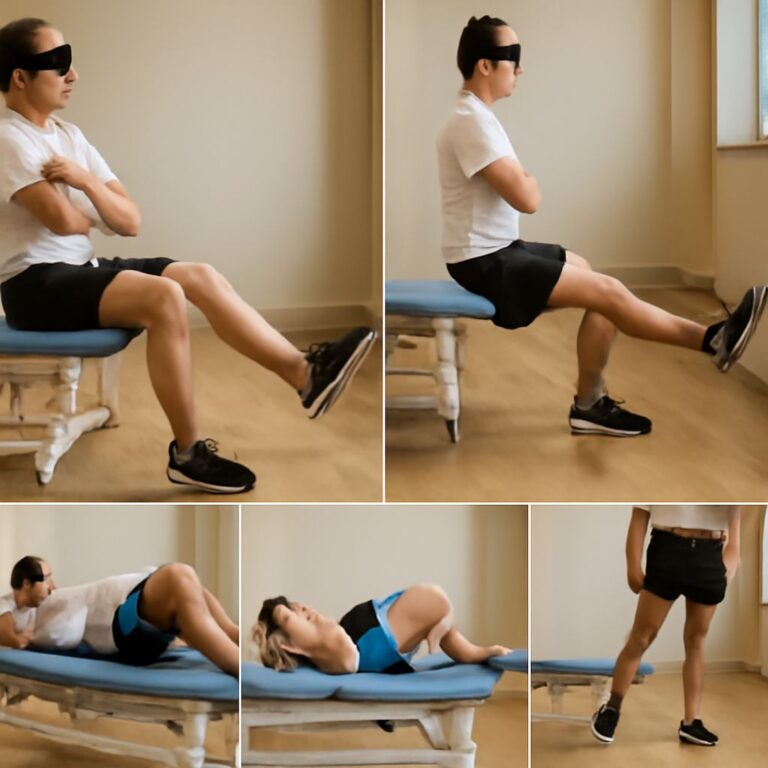
Flexibility improvement rate varies enormously between individuals based on initial baseline, age, training history, and consistency. Practitioners who start with significant tightness often see dramatic early improvements — 30 to 60 percent range of motion gains within the first three months. Those who start with moderate flexibility see smaller percentage gains that take longer to manifest as visible changes. Progress consistently slows after the first year as gains require more targeted, specific work to continue accumulating.
Systemic and Psychological Changes That Don’t Show in Photos
Yoga’s most significant transformations are often invisible in before-and-after photography. Stress physiology changes — reduced cortisol reactivity, improved vagal tone, lower resting heart rate — develop with consistent practice but cannot be captured in a photo. Practitioners who document these changes through regular physiological testing or subjective mood and sleep tracking often find the data more compelling than any visible physical change.
Body awareness — the ability to accurately perceive internal states and physical sensations — develops significantly through yoga practice and represents one of its most durable benefits. This improved interoception underlies better sleep hygiene, more accurate hunger recognition, reduced chronic pain, and improved emotional regulation. These are not glamorous changes for social media, but they represent genuine improvements in quality of life that outlast any aesthetic transformation.
The 30-day yoga challenge format does create real change for many participants — particularly in establishing a practice habit and experiencing the cumulative effect of daily practice on mood and energy. The limitation is that meaningful structural change in connective tissue and deep postural patterns requires substantially longer consistent investment. Using a 30-day challenge as a gateway into longer-term practice is a productive approach; treating it as a sufficient intervention for major body transformation sets participants up for disappointment.