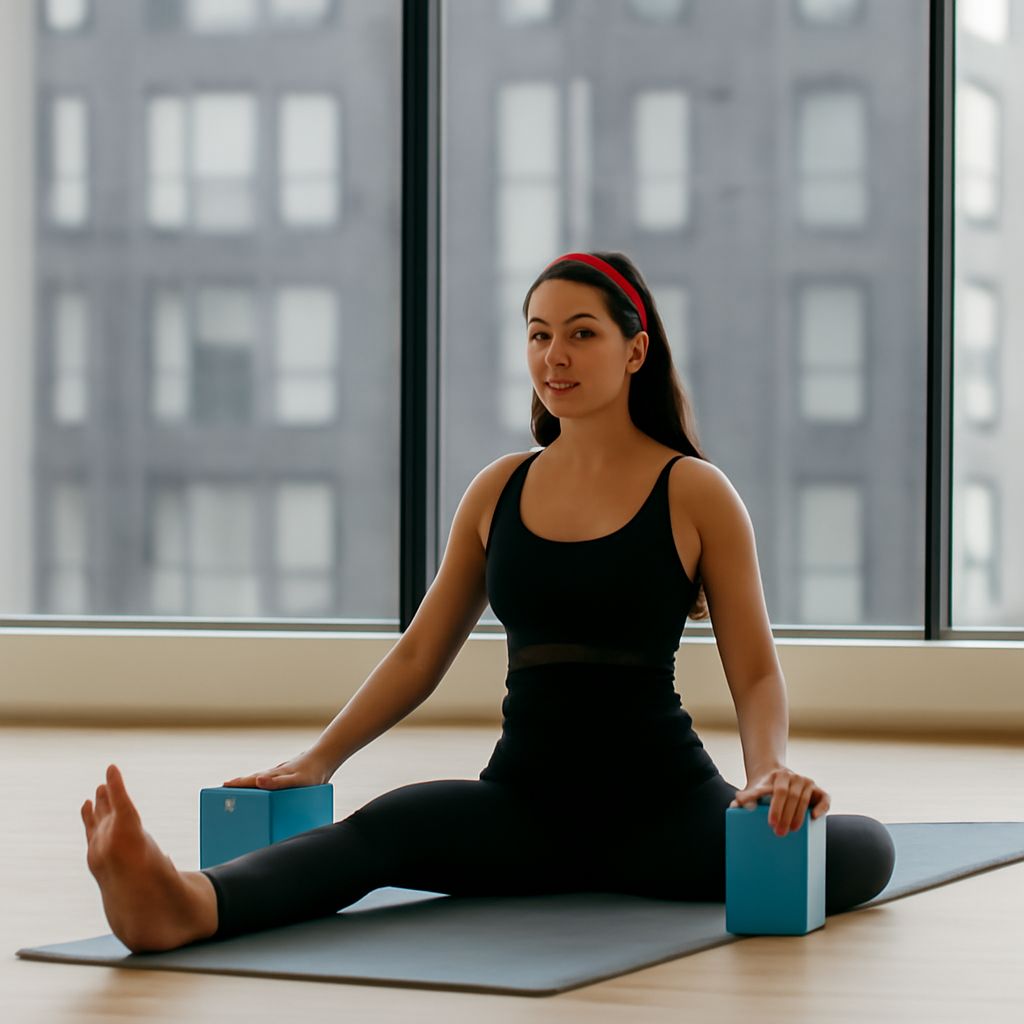
The perception that using a yoga block signals beginner limitation is one of the most counterproductive myths in yoga culture. Blocks are precision tools that advanced practitioners use deliberately — not training wheels that experienced yogis graduate away from. Foam yoga blocks provide lightweight cushioning and are excellent for restorative and slower-paced practices where weight is less relevant. Cork yoga blocks offer firmer support, natural grip, and environmental credentials that appeal to practitioners prioritizing both function and material sourcing. Understanding yoga block sizes — standard dimensions are approximately 9 × 6 × 4 inches, though half-size and travel blocks exist — determines what level of support each height setting provides. And for resourceful home practitioners, building diy yoga blocks from dense foam or wood is a legitimate option when commercial blocks are unavailable or cost is a concern.
Getting the most from blocks requires knowing which specific applications benefit most from their use — and which supposed applications are actually workarounds for movement problems that need different solutions. Here is how to use them well.
Practical Applications for Yoga Blocks in Every Practice Level
Standing Poses and Forward Folds
In standing poses like Triangle and Half-Moon, a block under the lower hand reduces the side-body stretch demand, allowing the practitioner to maintain spinal length and chest rotation rather than collapsing into the available range. This is not a beginner modification — it is an alignment tool that produces better muscular engagement at any level. Placing the block at the highest setting (on its long edge) provides less lift than the low setting (flat), allowing progressive reduction of support as range of motion develops.
Forward folds benefit from blocks when hamstring tightness forces spinal rounding before the hamstrings reach their actual limit. Placing blocks under the hands at whatever height allows the spine to remain lengthened means the stretch happens in the hamstrings — where it is intended — rather than in the lumbar spine where it often compensates. This targeted approach produces faster genuine hamstring lengthening than a rounded fold that distributes the stress across the entire posterior chain.
Supported bridge pose using a block under the sacrum converts an active backbend into a passive spinal extension position. The block at the lowest height provides gentle traction; at the medium height, it creates a significant passive hip flexor stretch and more pronounced spinal extension. This restorative application requires no muscular holding and can be maintained for several minutes, producing deep connective tissue and disc decompression effects.
Block Materials, Sizes, and DIY Alternatives
Foam blocks are appropriate for most practitioners most of the time. High-density EVA foam provides adequate stability for all standing uses while being light enough for travel and storage. The main limitation is compressibility under body weight in seated and kneeling applications — a practitioner kneeling on a foam block for extended seated meditation may find the cushioning inadequate after twenty minutes.
Cork blocks address the compressibility issue with a much firmer surface that maintains its dimensions under sustained body weight. The grip surface of natural cork requires no additional texture for traction — palms and feet contact directly without slipping. The weight of cork blocks (roughly three times that of foam) makes them less practical for portable use but ideal for home practice rooms where they remain in place between sessions.
DIY yoga block construction is practical with the right materials. Dense packing foam (3-4 inch thickness), cut to standard block dimensions and covered in a non-slip fabric, produces a functional home practice tool. Hardwood blocks sanded smooth and finished with food-safe oil offer the firmest option and exceptional durability. The investment in materials and construction time is minimal compared to commercial pricing for quality cork blocks.