A lot of new parents think mommy and me yoga is just about cute poses and photos. It is far more than that. Structured baby and me yoga classes support postpartum recovery, build body awareness, and create genuine bonding opportunities that routine caregiving doesn’t always provide. The physical and emotional benefits for both parent and child are well documented.
Another misconception is that mom and baby yoga requires prior yoga experience. It doesn’t. Classes are designed for beginners. Instructors guide parents through modifications that account for postpartum physical changes, and babies participate at their own developmental level. You don’t need flexibility or strength to start. You just need to show up.
What to Expect in a Mommy Baby Yoga Class
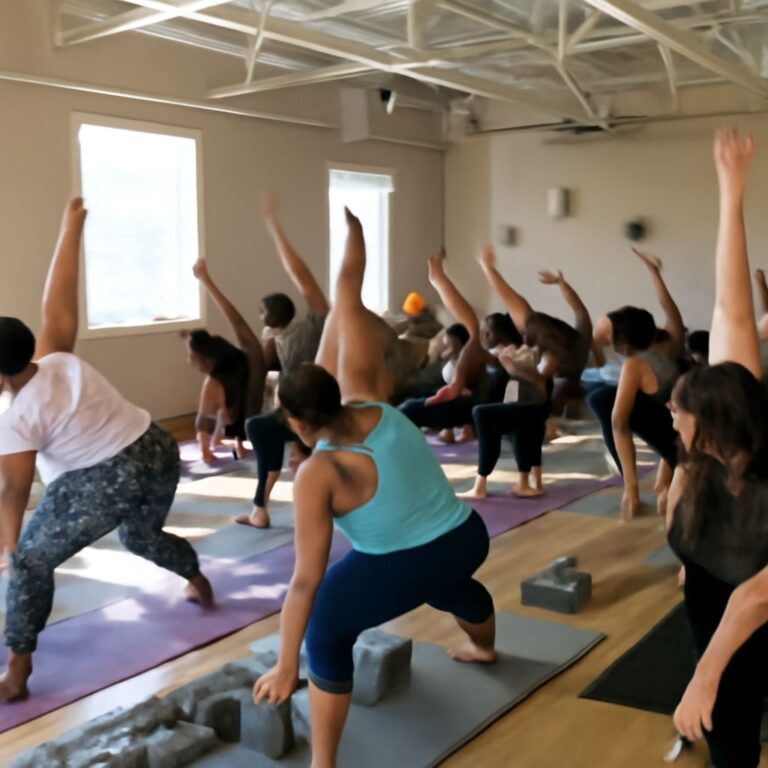
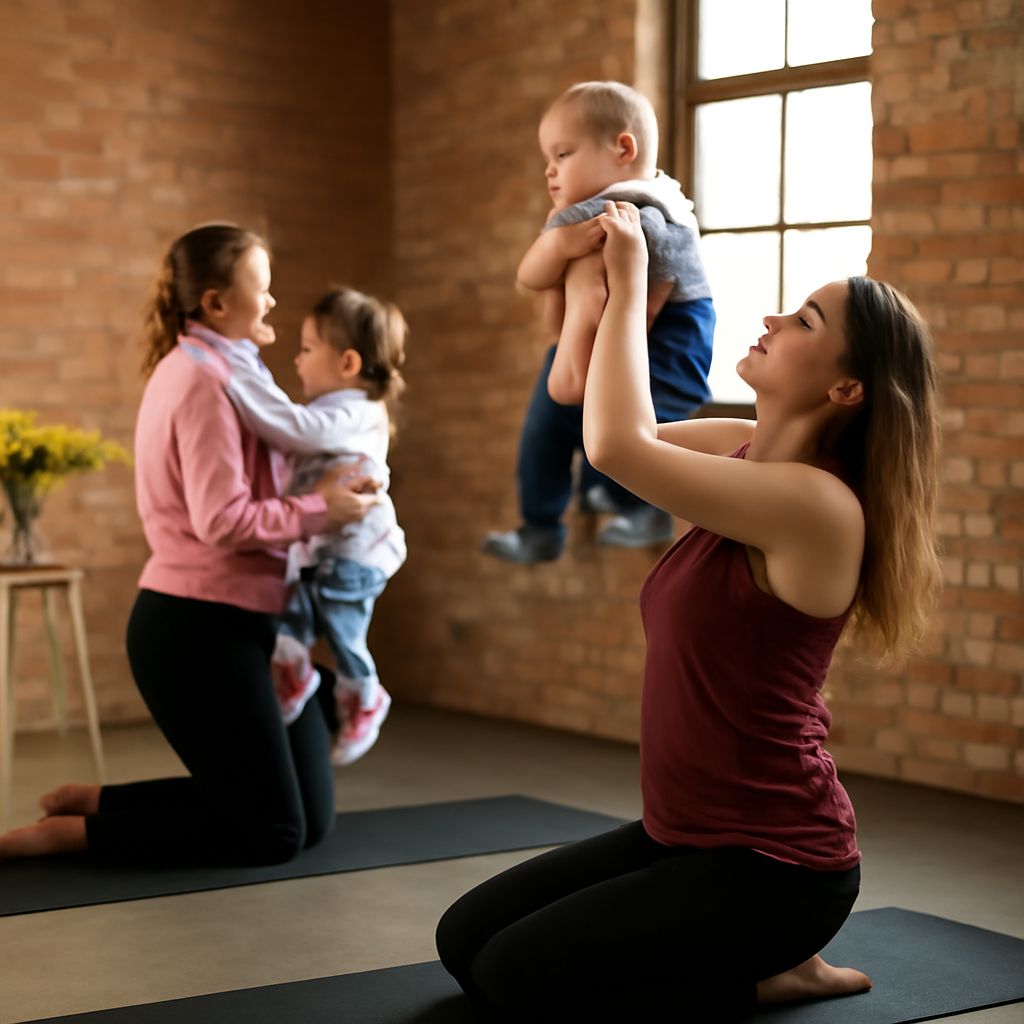
Most classes run 45 to 60 minutes and welcome babies from around six weeks old through crawling age, typically up to about twelve months. After that, toddler-specific classes become more appropriate. The format blends gentle postures for the parent with baby-interactive elements like supported tummy time, gentle leg cycling, and skin-to-skin holds in reclined poses.
A typical session opens with a breathing exercise or brief centering practice while you hold or nurse your baby. This transition into the class helps both parent and baby shift into a calmer state. From there, the sequence might include Cat-Cow with baby lying on your lower back, Warrior poses while babywearing, or Bridge pose with baby resting on the belly.
Mommy and baby yoga also incorporates infant massage techniques. Research supports infant massage for improving sleep, reducing colic symptoms, and supporting neurological development. Learning these techniques in a class setting with guidance is more effective than trying to pick them up from a video.
Social connection is a significant part of the value. New parenthood can be isolating. Classes create a built-in community of people at the same life stage. Many lasting friendships and informal support networks form in these sessions. That social dimension is harder to quantify but just as real as the physical benefits.
When choosing a class, look for instructors certified in prenatal and postnatal yoga, or specifically in mommy-and-me formats. Studio hygiene matters too. Bring your own mat if possible. Call ahead to ask about the age range they accommodate and whether the class is drop-in or requires registration.
Online options expanded significantly after 2020 and remain available. For parents without local studio access or those managing nap schedules, streaming classes offer real flexibility. The social component is reduced, but the physical practice and the structured time with your baby are preserved.
Progress in mommy baby yoga looks different than in regular yoga. Some days your baby will fuss through the whole class. That is fine. The practice is about consistency and presence, not perfect execution. Over weeks, most parents notice improved core strength, better posture, and a more confident physical relationship with their baby.