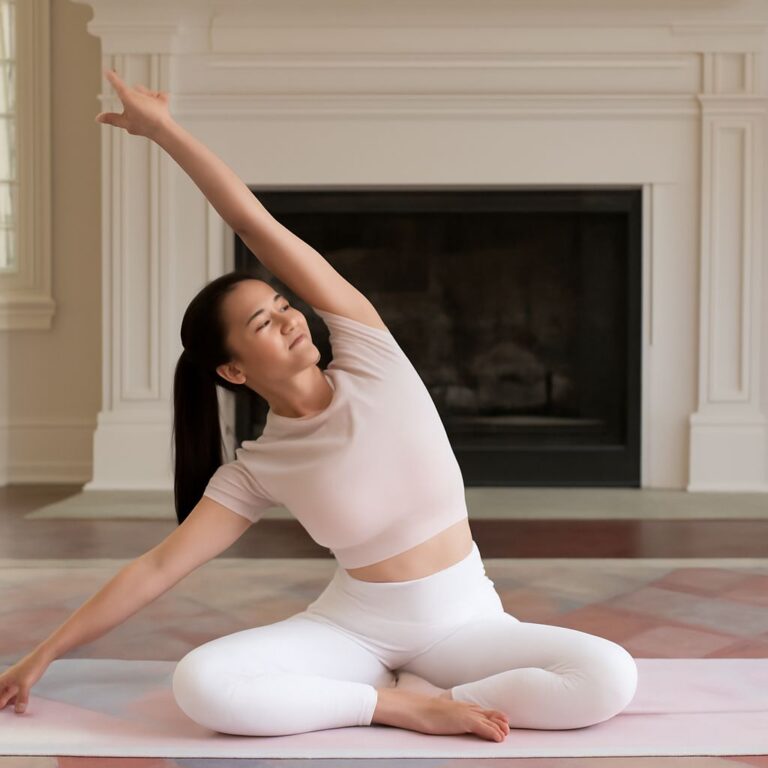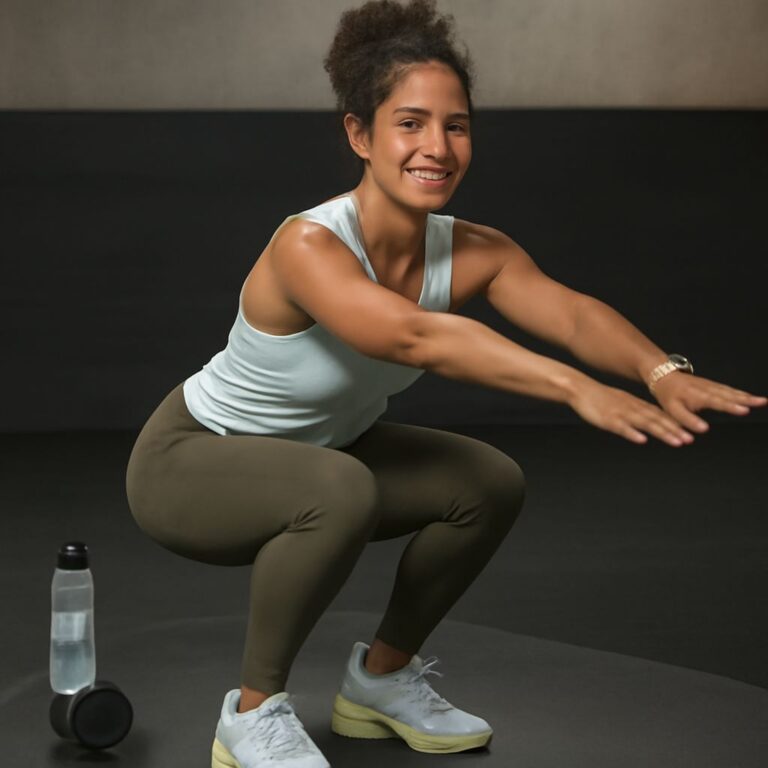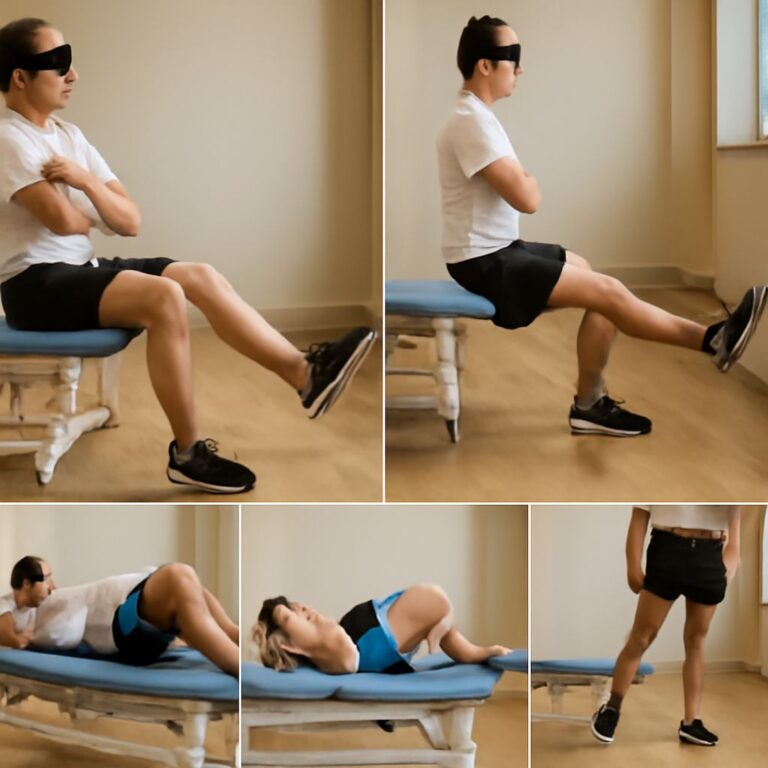
The question of does pilates build muscle comes up constantly in fitness discussions, and the answer is more nuanced than a simple yes or no. Pilates builds muscular endurance, hypertrophy in underused stabilizer muscles, and relative strength in proportion to body weight. It does not build the kind of absolute strength or significant muscle mass that resistance training with progressive overload does. Both answers are correct depending on what you mean by the question.
How many calories does pilates burn is the other top question for people evaluating whether to add it to their program. Pilates calories burned vary widely by format, intensity, and individual body weight. A 150-pound person doing mat pilates at moderate intensity burns approximately 170 to 250 calories per hour. Reformer pilates at higher intensity raises that to 250 to 350 calories per hour. Calories burned in pilates are lower than in cardio-based exercise but higher than passive stretching or yoga nidra.
What the Research Shows About Pilates and Muscle Development
Studies on pilates and muscle development consistently show improvements in core endurance, postural muscle activation, and functional strength, particularly in the deep spinal stabilizers and hip complex. These are muscles that many gym programs undertrain because they don’t respond to the same type of loading as prime movers.
For general fitness goals, pilates contributes meaningful hypertrophy in beginners who haven’t previously trained these muscle groups. In experienced athletes, the gains are more in the category of recruitment quality and endurance than size. A bodybuilder adding pilates to their program won’t see significant new muscle growth from it, but will likely notice improvements in posture, breathing, and injury resilience.
Pilates Calories Burned Across Different Formats
Mat pilates at a beginner or gentle level burns calories at a rate roughly comparable to walking. Calories burned pilates sessions become more significant when the instructor includes dynamic transitions, jump-board variations on the Reformer, or circuit formats that elevate heart rate continuously. These higher-intensity formats close the gap between pilates and more conventional cardio options.
For weight management, tracking calories burned in pilates alone is less useful than tracking total weekly energy expenditure. Pilates three times per week plus two cardio sessions produces better composition outcomes than pilates alone, because the caloric expenditure from pilates is relatively modest. The method’s value for weight management is primarily through its effect on lean muscle maintenance and metabolic baseline rather than the session-by-session calorie burn.
A useful framework: does pilates build muscle enough for your goals depends on your baseline. If you’ve never trained the deep core or hip stabilizers, yes, pilates will build those muscles noticeably. If you’re an experienced strength athlete, pilates improves movement quality without producing significant hypertrophy. Either way, the method earns its place in a varied training program.
Reformer pilates burns more calories than mat pilates because the spring resistance adds muscular demand throughout the entire session. Sessions that include leg and arm work on the carriage at moderate spring resistance elevate heart rate and increase calories burned per hour compared to mat-only practice.
For those tracking composition changes over time, focus on measurements and performance metrics rather than session calorie counts. Pilates’ contribution to body composition comes partly through the muscle-building mechanism and partly through improved movement efficiency and reduced injury risk that allows you to train more consistently in other modalities over time.