Many people think a home yoga studio requires a dedicated room, expensive flooring, and professional-grade lighting. In reality, a clear six-by-eight-foot area in any room can function as an effective practice space. What matters is that the space is consistent, meaning you return to the same spot each time you practice yoga. Consistency in location trains your nervous system to associate that spot with focused, inward attention. Within two to three weeks, stepping onto the mat in your designated space triggers a calmer mental state before you even begin moving.
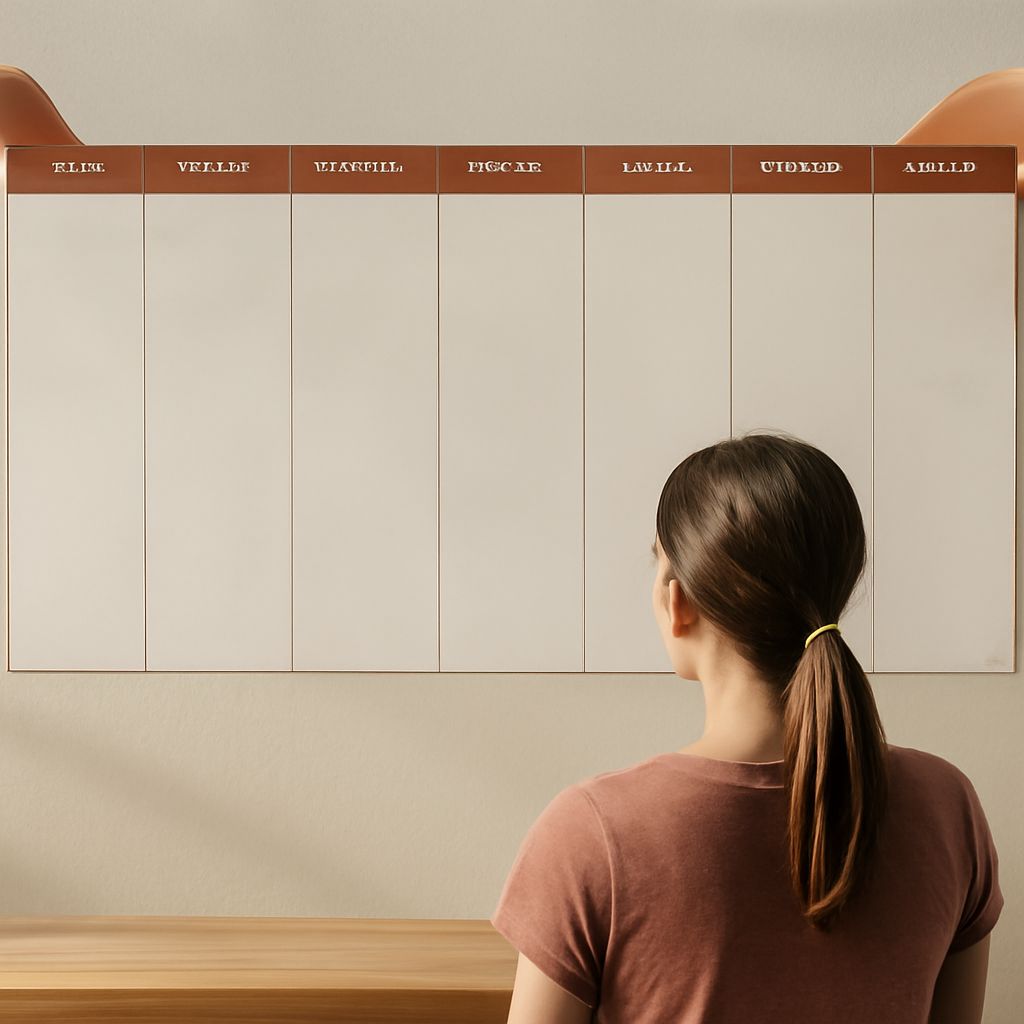
Home setups also break the excuse pattern. When home yoga is convenient, the likelihood of skipping a session drops significantly compared to driving to a studio. The compromise is that self-motivation and structure replace the external accountability a teacher and class schedule provide. Building a clear yoga home routine with set days and session lengths addresses that gap. A written flow yoga schedule posted somewhere visible, treated with the same seriousness as a gym reservation, produces far better adherence than relying on spontaneous motivation alone.
Designing Your Home Yoga Space for Real Practice
What You Actually Need Versus What Looks Good on Instagram
Start with the floor. If you have hardwood, laminate, or tile, a standard PVC or rubber yoga mat grips well without additional underlayment. If you have thick carpet, a mat on top slides and bunches during dynamic sequences. In that case, place a thin yoga mat on a piece of smooth hardboard cut to 6 by 4 feet, which keeps the mat flat and stable. That single adjustment costs under $20 and solves the carpet problem entirely.
Lighting matters more than most guides mention. Overhead fluorescent lighting creates harsh shadows that make it difficult to see your alignment in a mirror or video guide. A simple floor lamp with a warm-white LED bulb placed to your side gives enough visibility without the harshness. If you practice before sunrise or in a basement space, full-spectrum daylight bulbs help maintain alertness during morning sessions when your body temperature and cortisol are still rising.
Props you actually need: two foam blocks, one strap six feet long, and one blanket. That covers 90% of standard flow and restorative sequences. Bolsters are useful for yin and restorative practice but are large and expensive. Substitute a tightly rolled blanket or two stacked firm pillows for supported inversions and chest openers. A mirror is worth adding once your space is established. Seeing your own form corrects alignment errors that you cannot feel from the inside, particularly in lateral standing poses and backbends.
Temperature control is underrated in home yoga setup conversations. A cold room stiffens muscles and makes breath coordination harder. An overheated room without air circulation creates fatigue that limits session length. Aim for 68–72°F for standard flow sessions. If you want to replicate a mild hot yoga environment at home, a small ceramic space heater can bring a small room to 85–88°F. Anything above that without proper ventilation and humidity control creates a safety risk.
Creating a Flow Yoga Schedule That You Actually Follow
A sustainable home practice schedule has three to four sessions per week rather than daily. Daily practice is realistic for experienced practitioners with flexible schedules. For most people, three committed sessions produce better long-term consistency than seven aspirational sessions that collapse after two weeks of life interference.
Session length should match your actual available time, not ideal time. A 25-minute morning practice that happens four times per week is more valuable than a 60-minute practice that happens once. Build your schedule around time blocks you know from experience are reliable: early morning before family responsibilities, lunch breaks, or the hour after work before evening commitments. Protect those time blocks from scheduling encroachment the same way you would protect a medical appointment.
Structure each session with a clear arc: five minutes of breath awareness and body scanning, fifteen to twenty-five minutes of active movement, five to eight minutes of cool-down and savasana. That arc signals to your body that practice is beginning, middle, and complete. Skipping the opening or closing shortens session time but reduces the psychological and physiological benefits that come from the transition periods.
Key takeaways: Your home yoga setup needs a clear, consistent space and two or three inexpensive props, not a room renovation. A written schedule with realistic time blocks outperforms any amount of intention or enthusiasm. Show up three times per week, keep sessions under forty minutes if needed, and the practice will grow from there.