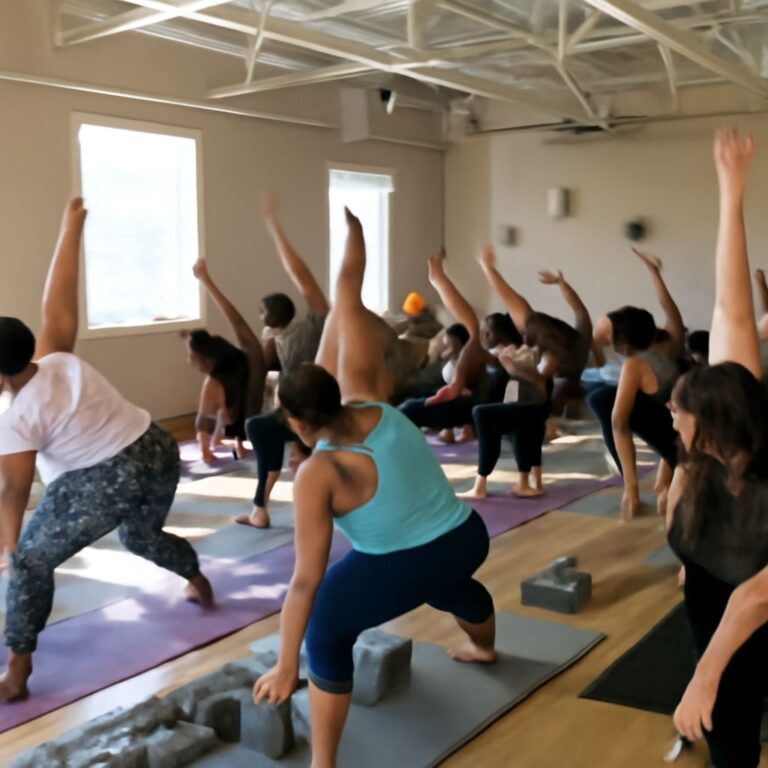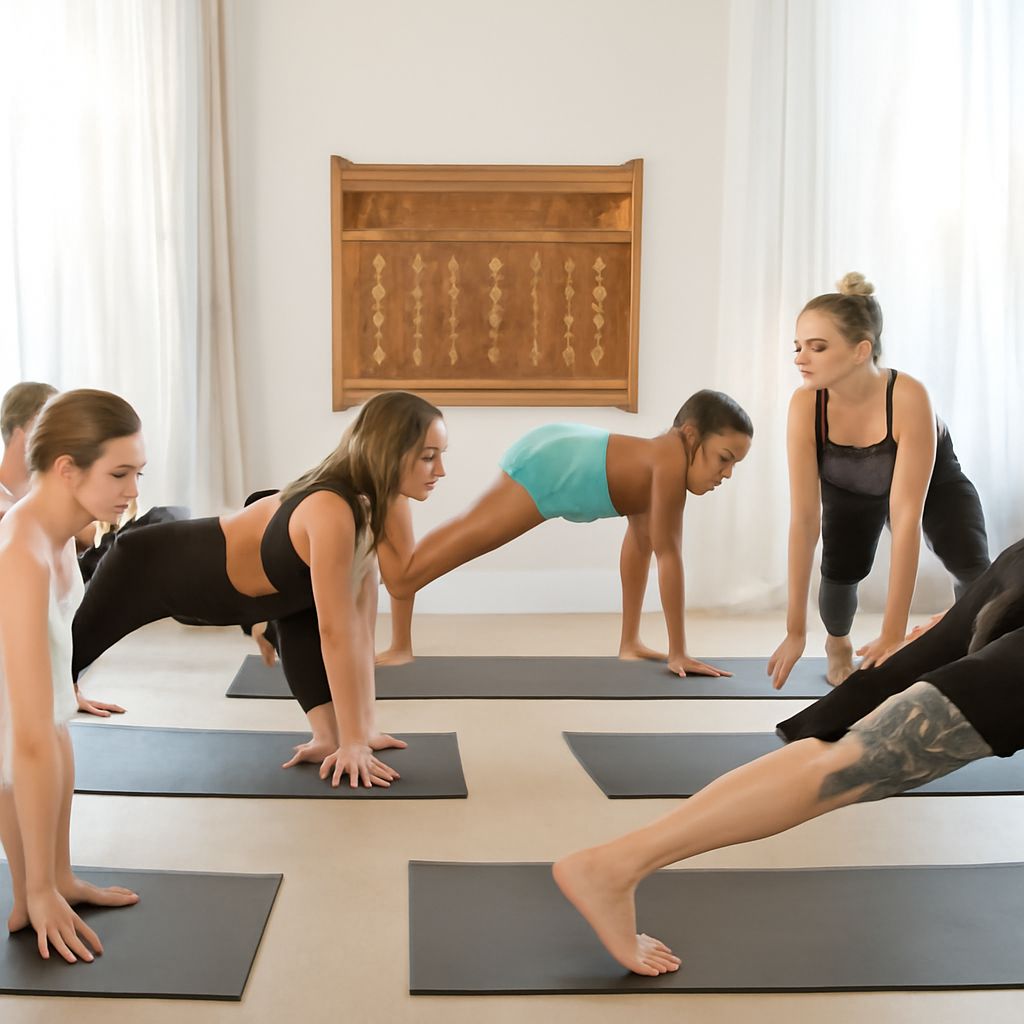
Walking into a studio yoga environment for the first time can feel intimidating if you expect everyone to be more advanced than you. Most studios deliberately mix levels in general classes because experienced practitioners serve as visual guides for newer students without any formal instruction required. The real difference between practicing at home and practicing in dedicated yoga rooms is accountability, spatial design, and real-time teacher feedback. A teacher watching your alignment in triangle pose catches a hip rotation error that no online video can correct.
Finding the right yoga place means evaluating several factors before you commit to a membership. Teachers matter more than equipment. A studio with basic props and a skilled teacher beats a boutique facility with heated infrared panels and mediocre instruction. Mens yoga classes have grown significantly at studios across the country over the past decade, with some studios now running men-only sessions to reduce self-consciousness during first attempts. Neighborhood studios like eastside yoga operations in many cities build tight communities where the same faces show up three or four times per week, which creates social accountability that solo home practice rarely provides.
What to Look for in Yoga Rooms and Class Schedules
Reading a Studio Before You Sign Up
Visit the studio before purchasing a package. Look at the floors. Hardwood floors need to be smooth and clean, with no splinters or warping that could cause mat slippage. Sprung floors, which have a slight give from a suspended subfloor, are ideal for standing sequences and reduce joint impact compared to concrete-backed surfaces. The room should smell neutral or faintly clean. A musty smell indicates poor ventilation, which is a serious concern in heated yoga spaces where moisture accumulates quickly.
Check the props cabinet. Blocks, straps, blankets, and bolsters should be plentiful enough that every student can access two blocks and a strap without sharing. Studios that run out of props during busy classes create avoidable problems for students who need them for alignment support. Bolsters in good condition matter especially for restorative and yin classes where you hold a supported posture for three to five minutes at a time.
Ask about the teacher-to-student ratio in the classes you plan to attend. A general flow class with twenty students and one teacher is standard. A beginner series with more than fifteen students and one teacher is less effective because the teacher cannot give individual alignment cues to everyone. Smaller class sizes cost more per session but produce faster skill development in the first three to six months of practice.
Review the weekly schedule for class times that match your actual availability, not your optimistic availability. If you can realistically attend Tuesday evenings and Saturday mornings, make sure those slots exist and have the style you want. A studio with forty class types per week but none that fit your schedule is not a good fit regardless of its reputation.
Building Practice Consistency Outside the Studio
The studio experience reinforces home practice rather than replacing it. After attending in-person classes for a month, you absorb enough cuing language and alignment principles to recreate sequences on your own at home with reasonable accuracy. That combination, three studio sessions plus two shorter home practices per week, produces faster progress than either approach alone.
Men who want to try yoga but feel uncertain about fitting in at a co-ed class have real options now. Many studios offer beginner-focused men-specific workshops that run four to six weeks and cover fundamental poses with explanations framed around athletic performance rather than spirituality. These sessions use language and analogies familiar to people who have played team sports or trained in a gym, which lowers the entry barrier considerably.
Neighborhood studios build community in ways that large franchise chains cannot replicate. When you see the same ten to fifteen people at Tuesday-evening classes for months, conversations happen naturally before and after class. Those relationships provide motivation to show up on days when you would rather skip. Social bonds formed in a shared practice environment are among the most durable sources of exercise consistency identified in behavioral health research.
Next steps: Visit two or three studios in your area for a single drop-in class before committing to any membership. Observe the teacher’s cuing style, check the room condition, and ask front-desk staff how long most of their teachers have been with the studio. Longevity in a teaching role usually signals that the studio compensates and supports its instructors well, which correlates directly with class quality.