A widespread belief about santosha yoga is that it is passive, a kind of sitting-back acceptance that drains ambition. The niyama of santosha, contentment, is actually dynamic. It asks you to fully inhabit where you are right now in your practice without projecting dissatisfaction onto it or inflating it with false pride. That is a genuinely difficult skill to develop. Yoga 101 programs often introduce santosha in week two or three of a beginner series, and most students nod along without grasping what practicing contentment in a demanding pose actually feels like in the body and mind simultaneously.
The world of yoga photography presents an interesting test of santosha. Every yoga photoshoot captures a moment, not a practice. The poses chosen for a yoga photo are usually peak expressions that took months or years to develop. When beginners see those images and compare them to their own practice, dissatisfaction follows automatically. Santosha is the antidote. It asks: can you appreciate the pose you are in today, not the one you plan to be in next year?
Santosha as a Practice Tool, Not Just a Concept
How Contentment Changes Your Approach to Challenging Poses
Santosha in an active practice means noticing the exact quality of sensation in a difficult pose without labeling it as insufficient. In pigeon pose, your hip is where it is today. If you can hold the pose with steady breath for five counts, that is the complete experience, not a lesser version of something better. This reframe removes the grasping quality that makes many practitioners hold tension in poses where release is the entire point.
The practical application starts before you get on the mat. Set your session intention as “full presence with what is here” rather than “progress toward a goal.” Track breath quality rather than range of motion. Notice when dissatisfaction arises during a difficult pose and observe it without acting on it. These habits build santosha as a genuine skill rather than a philosophical aspiration with no training method.
Journaling after practice reinforces this work. Write three specific observations about your session without evaluating them as good or bad. “My hip was tighter on the left than the right” is an observation. “My hip is too tight” is a judgment. Consistent observation without judgment trains the same neural pathways that santosha requires during active practice.
Teaching santosha in beginner programs works best through guided breath awareness rather than philosophical explanation. A teacher who asks students to close their eyes and simply notice what five full breaths in mountain pose feel like, without attempting to change anything, gives students a direct experience of santosha that a lecture cannot replicate. That experience is what transforms the concept into a usable tool.
Shooting Yoga Photography That Reflects Real Practice
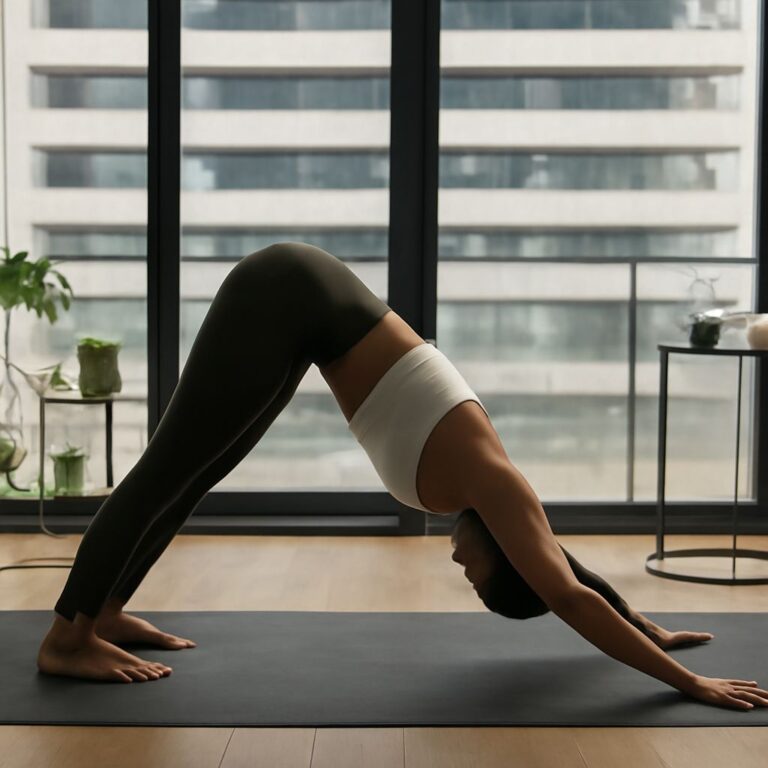
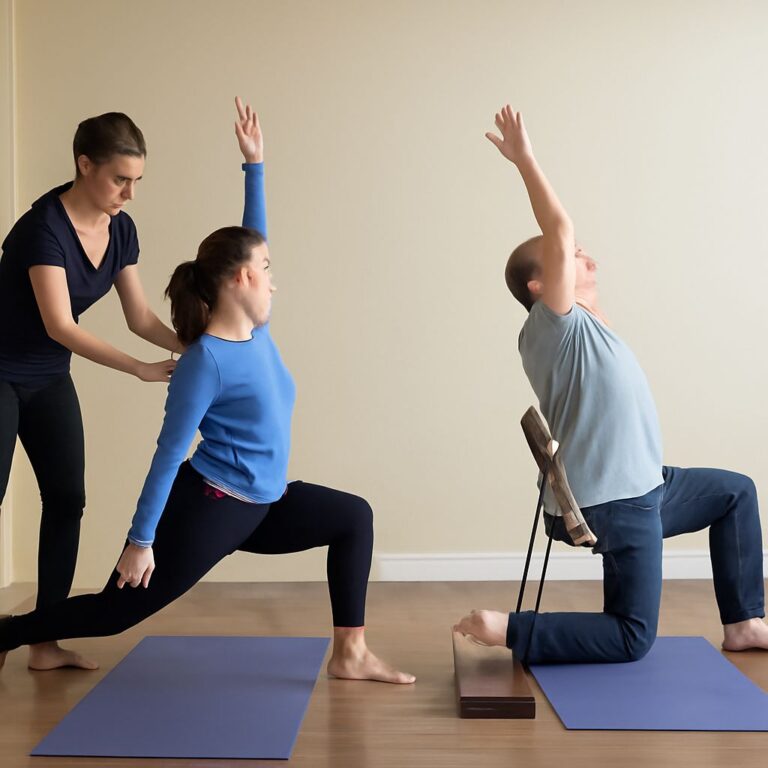
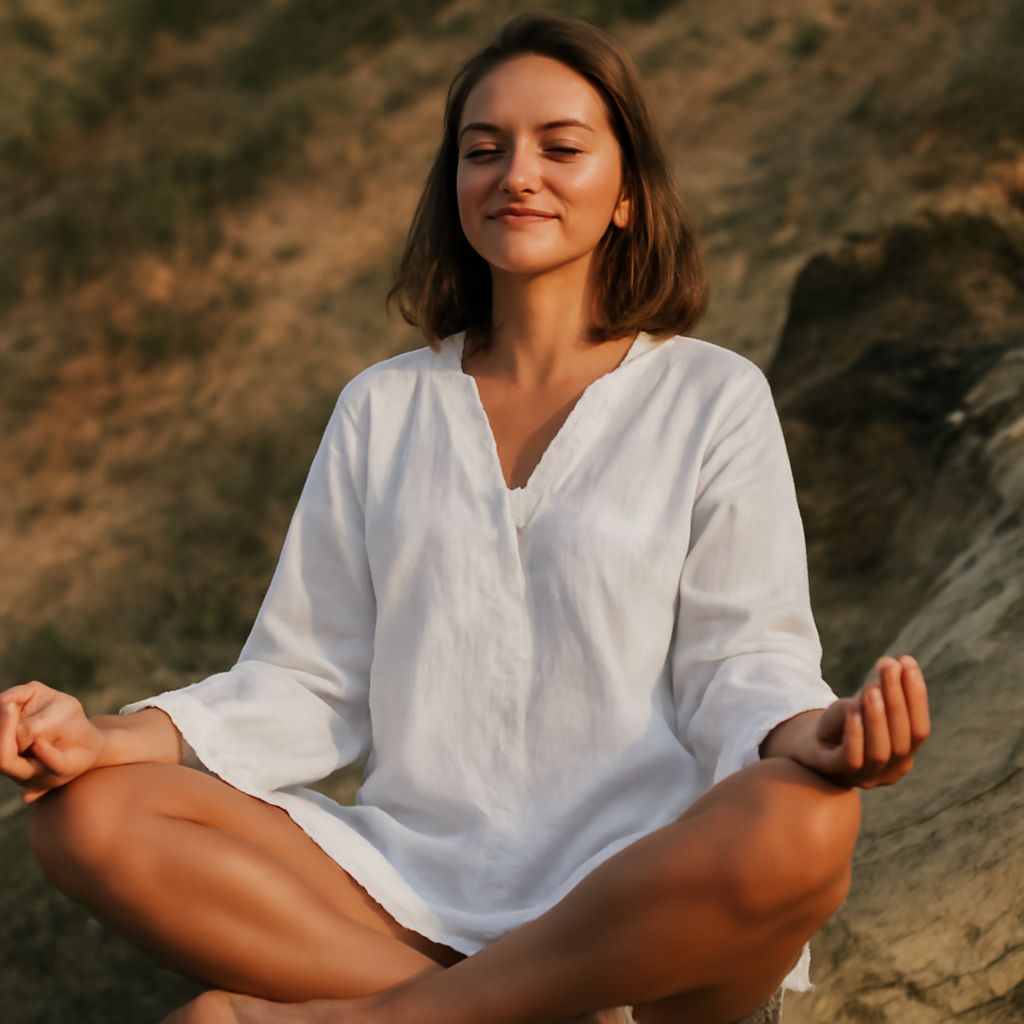
Most yoga photography aims for peak aesthetics. Wide-angle lenses, dramatic backlighting, and advanced poses produce stunning images that bear little resemblance to what most practitioners experience in class. A more interesting body of yoga photography captures ordinary moments: a student studying their hands in downward dog, a teacher adjusting a beginner’s stance, someone sitting quietly in savasana with a slight smile.
For a personal yoga photoshoot, choose poses you practice regularly rather than poses you can hold for exactly the fifteen seconds it takes to snap a shot. A well-executed warrior II that you hold for ten breaths tells more about your practice than a shaky arm balance captured in the one second it stayed up. Shoot in the space where you actually practice. Natural window light at 7 AM shows what your practice environment really looks like.
Camera settings for yoga photography in natural light: set ISO between 400 and 800 to prevent grain, aperture between f/2.8 and f/4 for shallow depth of field that separates the subject from background, and shutter speed at 1/250 or faster to freeze movement in dynamic poses. A 50mm or 85mm prime lens produces flattering proportions without distortion. Wide-angle lenses stretch and distort limb proportions in ways that can misrepresent the actual pose.
Review your yoga images through a santosha lens before posting them. Is this image honest? Does it represent practice as it actually is, or as you wish it were? The most enduring yoga photography is specific and real rather than aspirational and generic. A single genuine image from a regular practice has more long-term value than a hundred polished shots from one exceptional day.