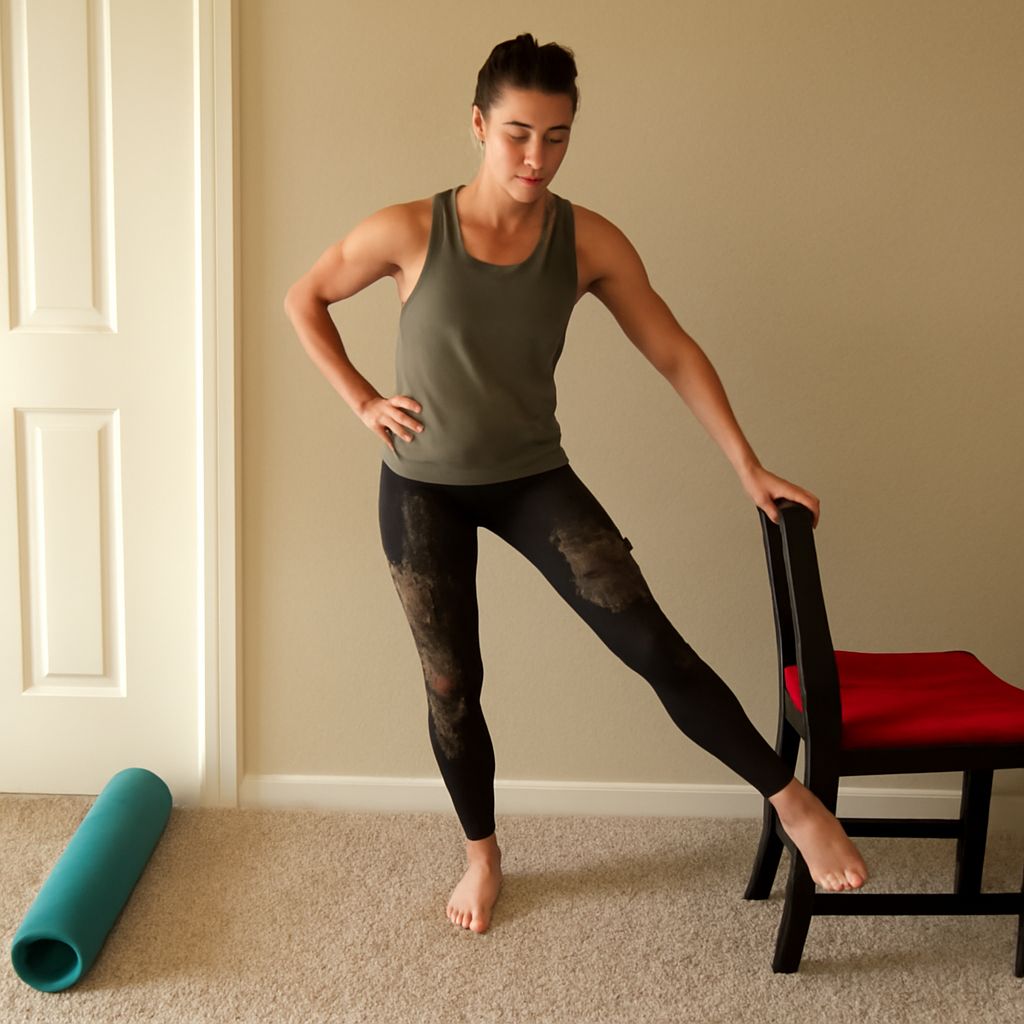
Yoga is often shrouded in myths, particularly when it comes to practicing it after a major surgery like hip replacement. One common misconception is that yoga must be avoided entirely due to the surgery’s impact on mobility and flexibility. However, with proper guidance, yoga can be a powerful tool for recovery. Another myth is that only advanced practitioners can benefit from yoga post-surgery. Yet, yoga, when tailored correctly, is accessible to all and can significantly aid in enhancing mobility and reducing pain.
Understanding Hip Replacement
Hip replacement is a surgical procedure where a damaged hip joint is replaced with an artificial one. This surgery is often necessary for individuals suffering from severe arthritis or injury. Post-surgery, the body needs time to adapt and heal, making it essential to engage in exercises that support recovery without causing strain. Yoga after hip replacement can be a pivotal component of rehabilitation, offering a blend of flexibility and strength training. By understanding the mechanics of hip surgery, practitioners can adapt yoga routines to suit their new physical condition.
Benefits of Yoga Post-Surgery
Engaging in yoga after undergoing hip replacement brings numerous benefits. Firstly, yoga promotes improved blood circulation, which is crucial for healing post-surgery. The gentle movements enhance flexibility around the hip area, reducing stiffness and discomfort. In addition, yoga supports the strengthening of muscles, which can prevent future injuries and improve overall stability.
Yoga also plays a role in mental healing, providing a platform for stress relief and emotional balance. Practicing mindfulness and controlled breathing techniques can lead to a reduction in pain perception, offering patients a holistic healing approach. It is essential, however, for individuals to modify poses according to their physical limitations to reap these benefits safely.
Safe Yoga Poses for Recovery
Gentle Stretching Poses
Focusing on gentle stretching is vital in the initial stages of recovery. Poses like the seated forward bend or supported bridge pose help stretch and release tension in the hip area. These poses should be done slowly, ensuring that there is no unnecessary pressure on the new joint.
Strengthening Exercises
Incorporating strengthening poses into your routine is just as important. Poses such as the modified tree pose or half chair can enhance muscle support around the hip. These exercises are designed to build strength incrementally, ensuring that the hip joint is supported as it heals.
By splitting yoga sessions into gentle stretches and strengthening exercises, patients can gradually build up their resilience and flexibility. Practitioners should remain mindful of their body’s signals, avoiding any movement that causes discomfort or pain.
Tips for Practicing Yoga After Hip Replacement
When practicing yoga post-hip replacement, start slowly and be patient with your progress. It’s important to set realistic goals and allow the body to adapt naturally. Listen to your body and avoid pushing beyond what feels comfortable. Using props such as yoga blocks or straps can provide additional support and stability during poses.
Additionally, maintaining regular communication with your yoga instructor about your condition can lead to more personalized guidance. Modifying poses to fit your specific needs is key to a successful recovery journey.
Consulting with Professionals
Before embarking on any yoga routine after hip replacement, it is crucial to consult with healthcare professionals. A physical therapist or orthopedic surgeon can provide insights into which movements are safe and beneficial. They can also advise you on the appropriate time to begin incorporating yoga into your recovery plan.
Professional yoga instructors with experience in therapeutic yoga can offer invaluable support and adapt classes to accommodate post-surgery limitations. These specialists understand the importance of a tailored approach, ensuring that each session promotes healing and minimizes the risk of injury.
Combining professional medical advice with tailored yoga practices creates an optimal environment for recovery, leading to improved mobility and quality of life.