Many fitness enthusiasts believe that deadlifting is all about lifting heavy weights. They assume that the stronger you are, the easier it becomes. However, this approach overlooks the critical importance of deadlift cues, which can dramatically improve both performance and safety. In reality, mastering these cues is essential for anyone looking to enhance their strength routine and avoid common injuries associated with improper technique.
Another misconception is that pause deadlift techniques are reserved for advanced lifters. Yet, these techniques serve as powerful tools for athletes at all levels. By integrating pause deadlifts into your workout, you can not only boost your muscle growth but also refine your technique, reducing the risk of injury. Understanding the nuances of these exercises is key to achieving your fitness goals.
Mastering Deadlift Cues
What Are Deadlift Cues?
Deadlift cues are specific instructions or reminders that guide lifters through the movement. They help maintain proper form, ensuring that each lift is performed safely and effectively. When executing a deadlift, cues such as “engage your core,” “keep your back straight,” and “drive through your heels” are vital for optimizing technique while minimizing stress on the body.
Importance of Proper Technique
Proper technique in deadlifting plays a crucial role in achieving the best results. Not only do these techniques enhance your lift, but they also safeguard against injuries. The alignment of the spine, the role of hip hinge, and the activation of leg muscles are all elements that contribute to an effective deadlift. Employing correct technique is imperative to ensure longevity in strength training.
Pause Deadlift Techniques
Benefits of Pause Deadlifts
Pause deadlifts offer numerous advantages, including improved muscle engagement and enhanced control. By deliberately halting the motion at certain points, you force your muscles to stabilize the weight, increasing strength and endurance. Pause deadlifts can refine your form, offering a practical approach to recognizing and correcting potential errors in technique.
How to Perform a Pause Deadlift
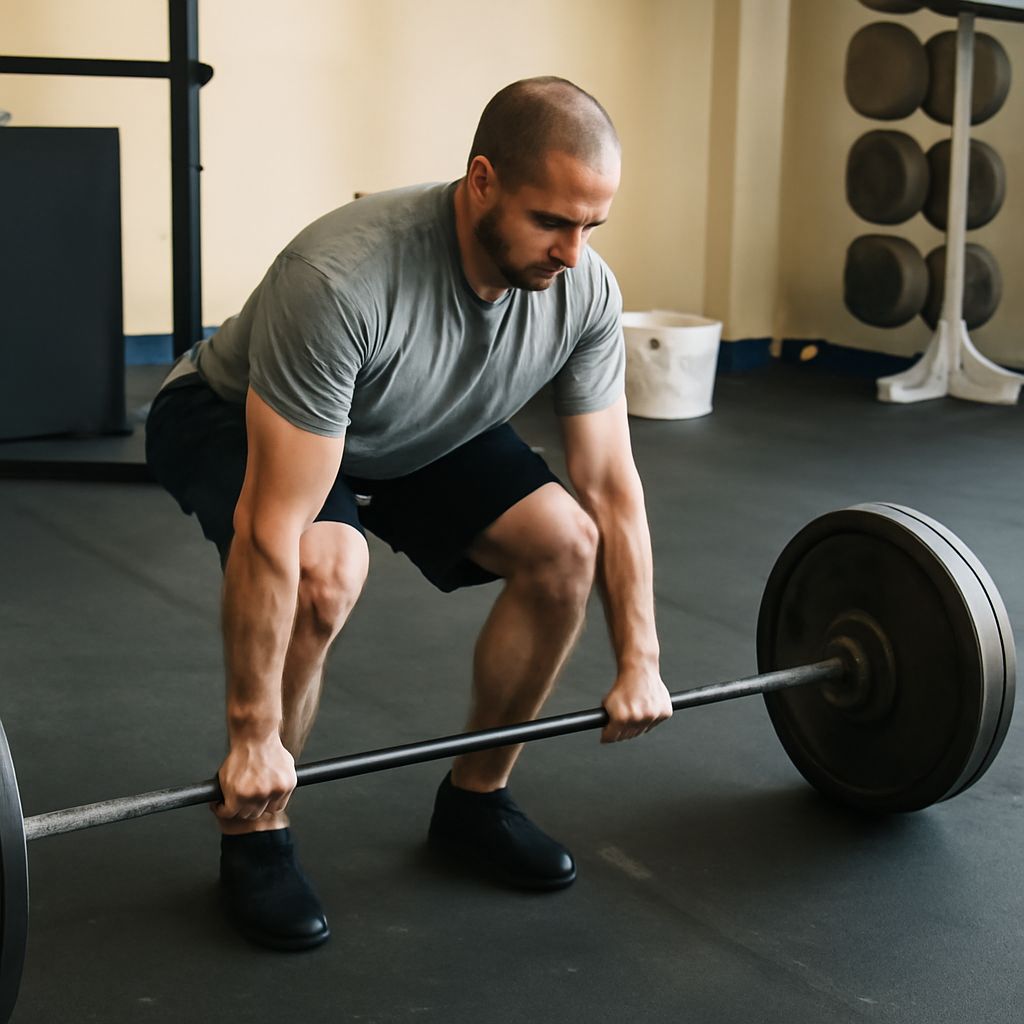
Executing a pause deadlift involves temporarily stopping the lift during the upward motion. To perform it correctly, start with a standard deadlift, then hold the position at your knees for a count before continuing the lift. This pause allows for better activation of key muscle groups and gives you an opportunity to adjust your form, fostering a safer and more effective workout experience.
Common Deadlift Injuries
Identifying Deadlift Injuries
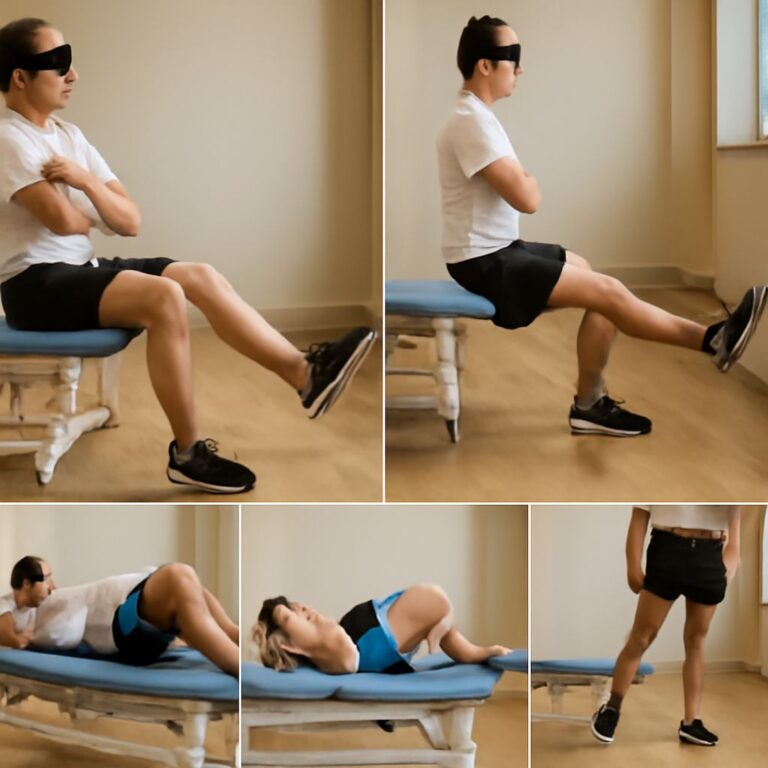
Identifying deadlift injuries is crucial for prompt treatment and prevention of future issues. Commonly affected areas include the lower back, hamstrings, and shoulders. Symptoms such as sharp pain, inflammation, and reduced mobility are indicators that an injury may have occurred. Recognizing these signs early can help mitigate long-term damage.
Preventing Deadlift Injuries
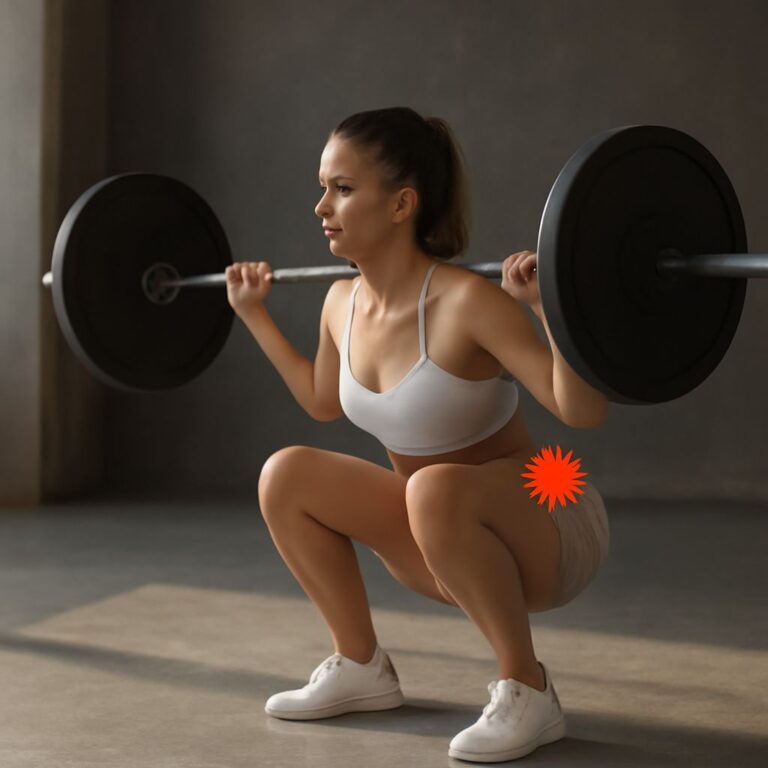
Preventing injuries during deadlifts requires attention to form and technique. Ensure adequate warm-up routines are followed, emphasizing flexibility and strength training. Using deadlift cues effectively prevents injuries, as they guide proper alignment and force distribution throughout the lift. Consistent practice of these protocols significantly reduces injury risks.
Understanding CrossFit Injuries
Common CrossFit Injuries
CrossFit injuries often result from a combination of high-intensity workouts and improper technique. Shoulder strains, lower back issues, and knee injuries are frequent occurrences. Understanding these common injuries is essential for developing preventive strategies that help maintain a consistent training regimen.
Strategies for Injury Prevention
Injury prevention in CrossFit involves a multifaceted approach. Prioritize technique and form by employing cues and variations tailored to your workout goals. Incorporate rest and recovery times, ensuring your body has ample opportunity to heal and adapt. Customizing workouts to accommodate individual fitness levels plays a key role in reducing injury risks.
Bottom line: Implementing deadlift cues and pause deadlift techniques is crucial for improving performance and preventing injuries. By understanding the common risks associated with deadlifting and CrossFit, you can tailor your training practices for safer and more effective results. Proper technique and preventive strategies are the foundation of a successful fitness journey.