Lower Back Pain After Squats: Causes and Solutions
If you’ve ever wondered why your lower back hurts after squats, you’re not alone. Many fitness enthusiasts experience discomfort, but the idea that squats are inherently bad for your back is a myth. In reality, squats are one of the best exercises for building strength and improving overall fitness. The key is understanding the causes of lower back soreness and how to address them effectively.
It’s easy to assume that if your lower back feels sore after squats, you should stop doing them altogether. However, with the right approach, you can prevent pain and enjoy the multitude of benefits squats provide. By learning how to squat properly and implementing the right strategies, you can protect your back and enhance your workout regimen.
Understanding Lower Back Pain After Squats
Causes of Lower Back Pain
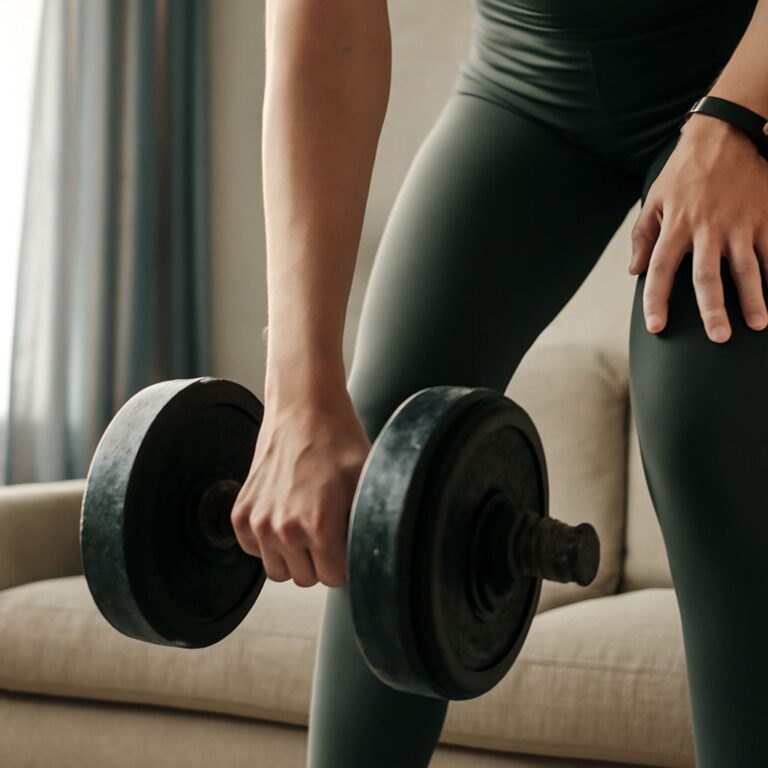
Several factors can contribute to lower back pain after squats. One common cause is improper form, which places excessive strain on the lower back muscles. Weak core muscles can also lead to overcompensation by the back, resulting in soreness. Additionally, lifting weights that are too heavy can cause stress and eventual pain in the back area.
Common Mistakes During Squats
Many people make mistakes during their squatting routine that can result in discomfort. For instance, rounding the back or leaning too far forward shifts the weight away from the legs and onto the lower back. Not engaging the core or failing to maintain a neutral spine can exacerbate the problem. These errors, although common, can often be corrected with focused practice and awareness.
Preventing Back Soreness After Squats
Proper Squatting Techniques
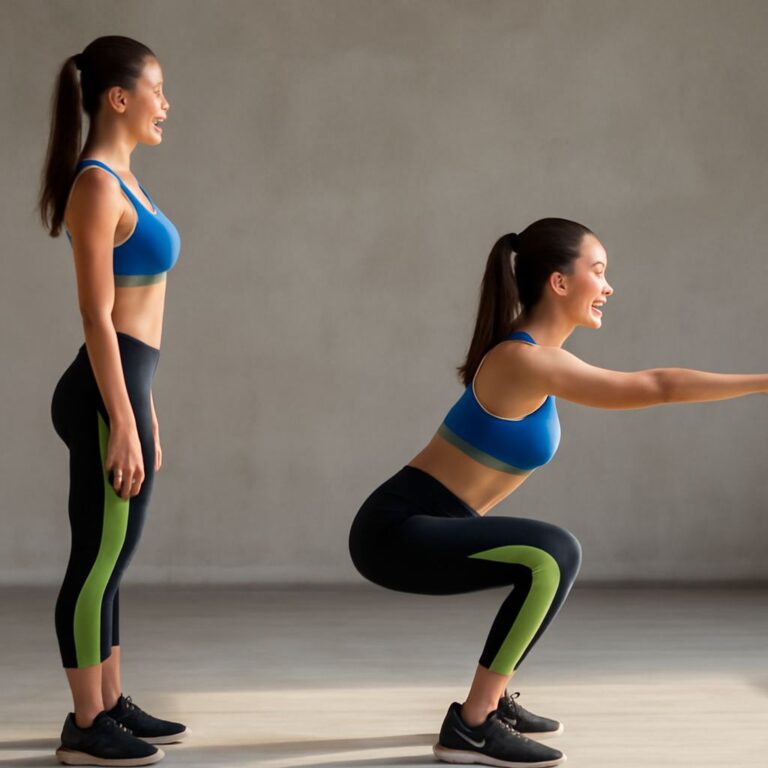
To prevent lower back soreness, it’s crucial to master proper squatting techniques. Begin by standing with your feet shoulder-width apart, keeping your chest lifted and spine neutral. As you lower into the squat, engage your core muscles and push your hips backward, ensuring your knees track over your toes. This alignment can help distribute weight evenly and reduce the risk of back pain.
Strengthening and Stretching Exercises
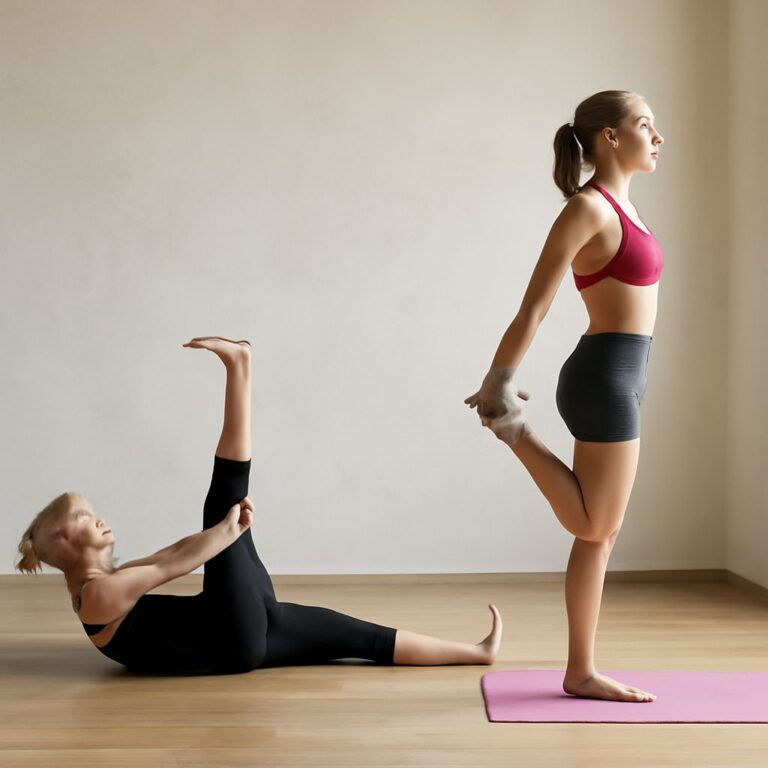
Incorporating exercises that strengthen and stretch the muscles involved in squatting is essential. Strengthening your core will provide support to your spine, minimizing the chances of injury. Additionally, regular stretching of the hamstrings, hip flexors, and lower back can increase flexibility and prevent stiffness, which often contributes to soreness post-exercise.
When to Seek Help If Your Back Hurts After Squats
Signs of Serious Injury
While mild soreness is typical, certain symptoms may indicate a more serious issue. If you experience sharp, persistent pain, numbness, or tingling, it’s advisable to stop exercising and assess the situation. These signs could point to a herniated disc or another significant injury.
Consulting a Professional
When in doubt, consulting a professional can provide peace of mind and proper guidance. A physical therapist or a qualified trainer can assess your form and offer personalized advice tailored to your needs. They can help you modify your routine to prevent further discomfort and ensure you’re on the right path to recovery.
Effective Remedies for Lower Back Soreness
Home Remedies
For mild soreness, several home remedies can offer relief. Applying ice or heat to the affected area can reduce inflammation and soothe tight muscles. Resting and allowing your body time to heal is also important. Over-the-counter anti-inflammatory medications can be an option to ease pain and promote recovery.
When to Use Pain Relief
If home treatments don’t alleviate the pain or if the discomfort persists, using pain relief methods may be necessary. However, it is essential to avoid becoming reliant on these solutions and focus on addressing the root cause. Long-term dependence on pain relief without recognizing the underlying issue can lead to more severe injuries in the future.