Asian Yoga Traditions and the Philosophy That Connects Every Practice
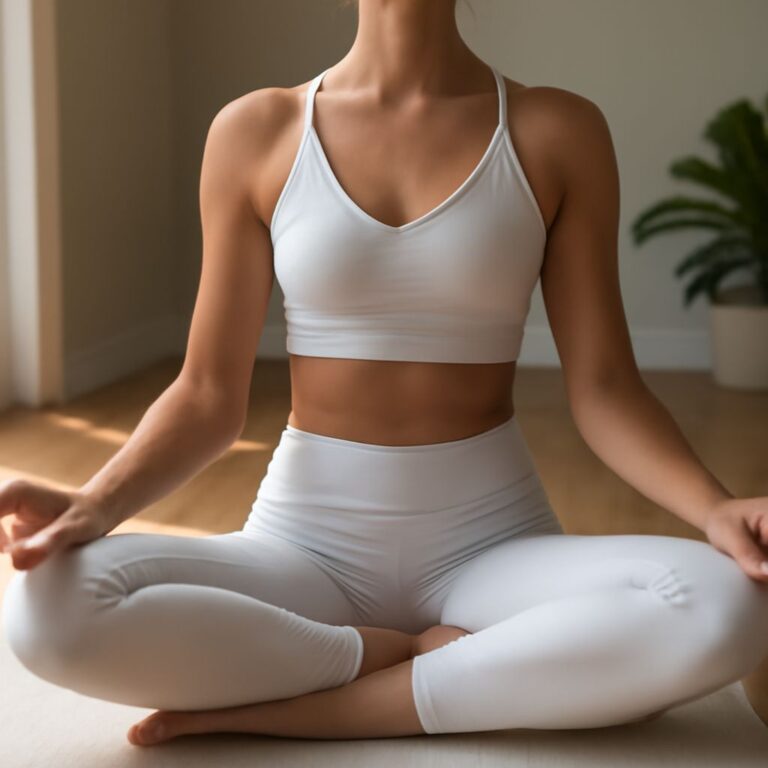
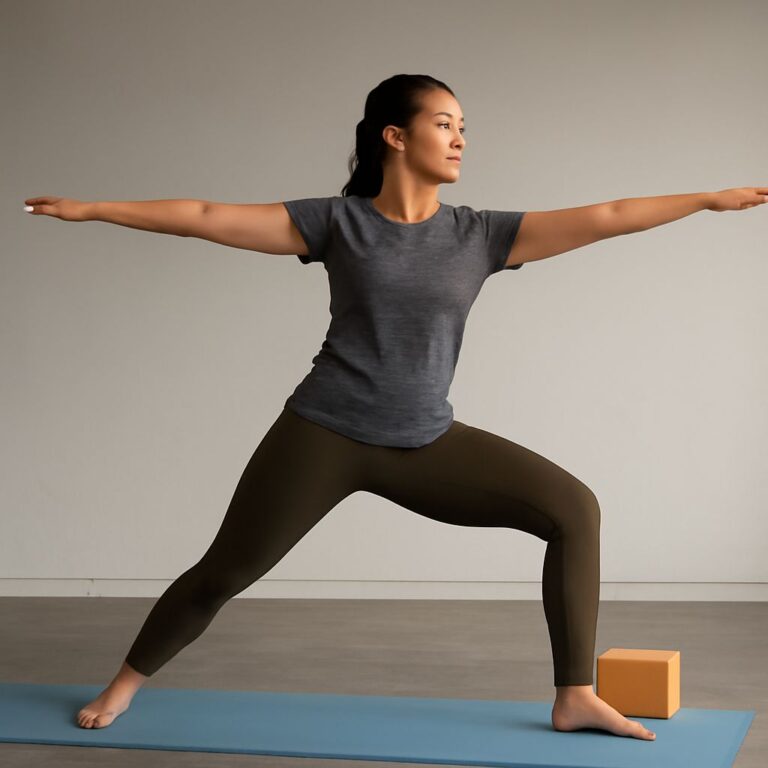
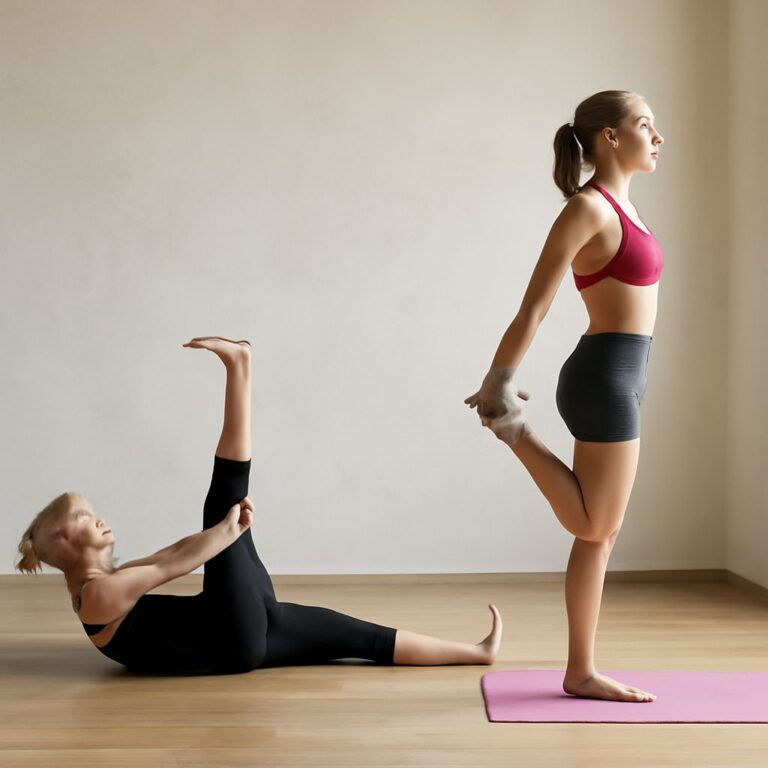
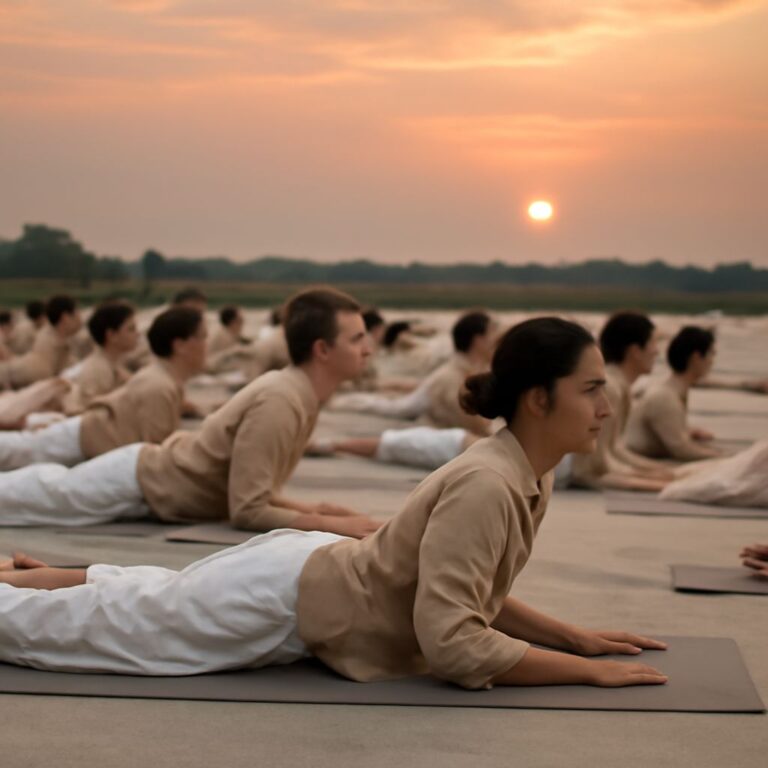
A lot of people encounter asian yoga as an umbrella label and assume it means one unified tradition. It does not. The yoga practices that emerged across South Asia, Southeast Asia, and East Asia differ substantially in lineage, technique, and philosophical grounding. Latina yoga teachers in the United States have also shaped modern practice by weaving in community-centered and somatic healing approaches that traditional studio environments often overlook. Yoga healing as a concept draws from multiple lineages simultaneously, combining breathwork from pranayama traditions with bodywork principles from Thai massage and movement therapy. A blonde yoga influencer on social media showing advanced poses represents one narrow slice of a practice that originated in cultures where physical appearance was not the point at all. Understanding sutra yoga, which is grounded in Patanjali’s Yoga Sutras, gives you a philosophical backbone that holds all these variations in context.
The sutras describe yoga as the cessation of mental fluctuation, not as a set of postures. That framing clarifies why every tradition covered in this article, whether rooted in Asian lineages, adapted by Latin American teachers, or applied therapeutically, is practicing yoga in a meaningful sense. The physical form is one vehicle. The breath, the intention, and the presence you bring are the actual practice.
How Asian Philosophical Roots Shape Modern Yoga Practice
Tracing the Lineage from Sutra to Studio
Patanjali compiled the Yoga Sutras approximately 400 CE. He described an eight-limbed path: ethical conduct, personal discipline, posture, breath control, sense withdrawal, concentration, meditation, and absorption. The physical postures, asana, occupy only one of those eight limbs. Classical Indian yoga education taught these limbs as an integrated system, not as separate classes on a studio schedule.
Thai yoga massage, sometimes called partner yoga from Southeast Asian traditions, uses the same energetic framework as Thai traditional medicine, working along sen lines that roughly correspond to the meridians in Chinese medicine. A practitioner applies guided stretches using hands, feet, elbows, and knees to move a recipient through assisted postures. The philosophical underpinning is metta, loving-kindness, rather than physical achievement. This differs meaningfully from the achievement-focused framing common in Western fitness studios.
Taoist yoga, sometimes called yin yoga in its Western adaptation, draws from Chinese Taoist philosophy and targets the connective tissues rather than the muscles. Long holds of three to five minutes allow the fascia, ligaments, and joint capsules to release in ways that active movement cannot access. The philosophical framework here is wu wei, effortless action, which suggests that yielding and allowing produce change more effectively than striving and forcing.
Each of these lineages carries a distinct understanding of what healing means. The Indian tradition emphasizes liberation from mental suffering. The Thai tradition emphasizes compassionate service. The Taoist tradition emphasizes harmony with natural cycles. Modern yoga synthesizes all three, sometimes skillfully and sometimes superficially. Knowing the origin of a technique lets you practice it with appropriate depth rather than treating it as a generic stretch.
Integrating Healing Approaches Across Cultural Yoga Traditions
Yoga as a healing modality works through several mechanisms simultaneously. Slow, controlled breathing activates the parasympathetic nervous system. Sustained physical postures release stored muscular tension. Focused attention trains the prefrontal cortex to interrupt habitual stress responses. These mechanisms are not culturally specific. They are physiological processes that function consistently regardless of which tradition the practice draws from.
Community-centered yoga practices, which many Latin American and Caribbean teachers have developed, add a social healing dimension that individual mat practice cannot replicate. Group breath work, shared chanting, and partner postures create co-regulation between nervous systems. When you breathe with other people in rhythm, your heart rate variability synchronizes with theirs. That shared physiological state produces a sense of safety and belonging that individual practice, however consistent, does not generate.
Applying sutra-based philosophy to a healing context means prioritizing ahimsa, non-harm, in every choice you make during practice. This applies to how hard you push a stretch, how you speak to yourself when a pose is difficult, and what you expect from your body given its current condition. Sutra-grounded practice is inherently self-compassionate rather than self-improving in a striving sense.
Pro tips recap: Study the origin of at least one technique in your regular practice this month. Read ten sutras from Patanjali with a commentary. Take one class from a teacher trained in a lineage different from your own. The widest view of yoga is also the most personally useful one.