Best Yoga Bag Guide: How to Choose Yoga Bags That Work
Many people buy a yoga bag based on looks alone and end up with something that doesn’t fit their mat, doesn’t hold their gear, or falls apart within months. A good yoga bag is more practical than fashionable, though the best options manage both. The right choice depends on how you practice, what you carry, and how far you travel.
Another myth is that you need a separate yoga mat bag and a regular gym bag. For most people, one well-designed bag handles both roles. The best yoga mat bag designs integrate mat storage without sacrificing space for water bottles, towels, and change of clothes. Knowing what to look for cuts through the noise.
What to Look for When Comparing Yoga Bags
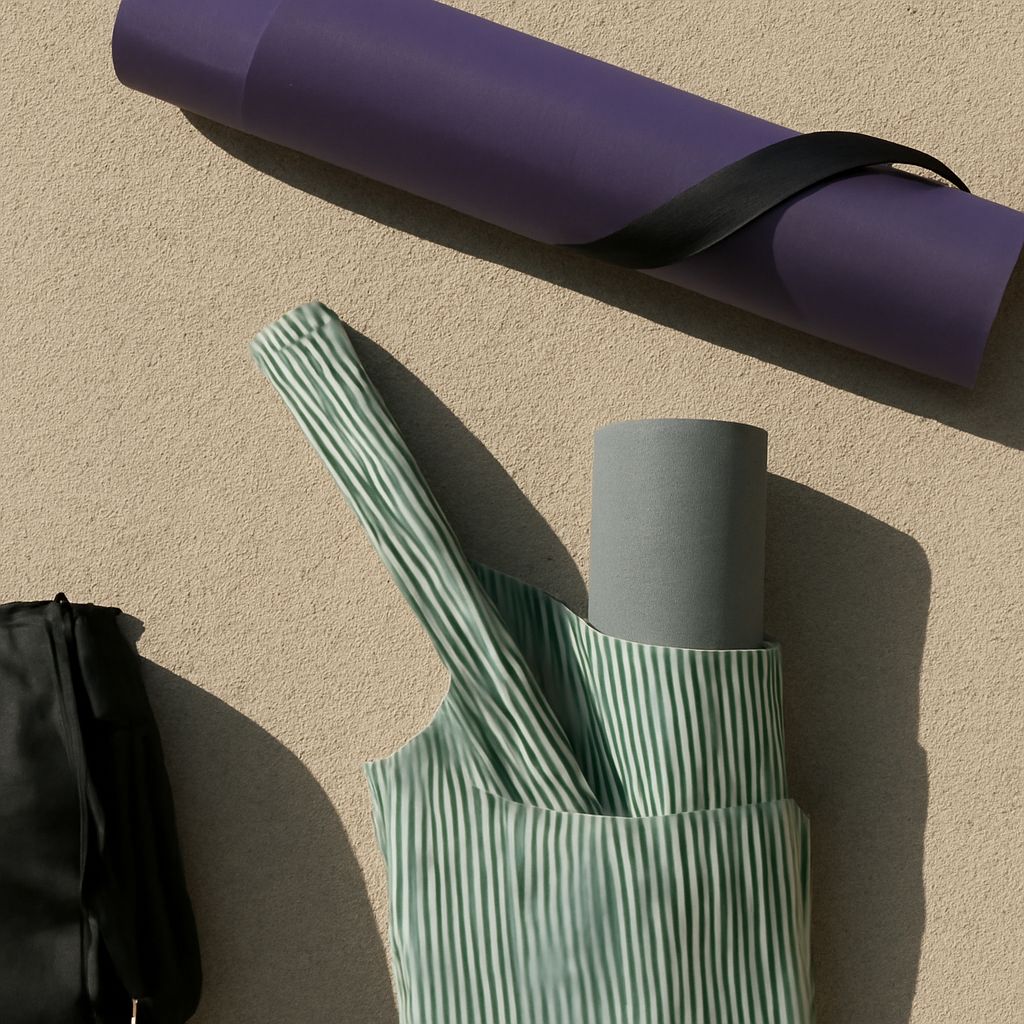
Fit is the first consideration. Standard yoga mats are around 68 inches long and up to a quarter-inch thick. Thicker, travel, or extra-wide mats need more room. Before buying, check the mat sleeve or sling dimensions and compare them against your specific mat when rolled. Many yoga bags listed as best yoga bags fail this basic test because the mat compartment is too narrow for anything beyond a thin travel mat.
Material durability matters for daily use. Canvas and waxed cotton hold up well and develop character over time. Nylon is lighter and water-resistant, better for commuters or outdoor practitioners. Avoid faux leather for mat bags. It looks great initially but cracks within a year of regular use.
Closure, Pockets, and Carry Options
Look for a main compartment with a secure closure, ideally a zip rather than a drawstring alone. Side pockets with zips keep small items like keys and cards accessible without digging. An external water bottle pocket with elastic or a snap keeps hydration upright and separate from dry items.
Carry options matter depending on your commute. A single shoulder strap is fine for short walks. For longer distances or bike commuting, a backpack-style yoga bag with padded straps distributes weight much better. Some bags offer both a shoulder strap and backpack straps, which gives flexibility depending on the day.
Weight is underrated as a selection criterion. A heavy bag empty becomes exhausting when loaded with a mat, blocks, a strap, a water bottle, and street clothes. Aim for bags under 1.5 pounds empty. Anything heavier starts to feel like a second workout before you even reach the studio.
The best yoga bags on the market tend to come from brands that specialize in yoga and fitness gear rather than general fashion brands entering the wellness space. Manduka, Gaiam, Alo, and Lululemon all offer options that have been tested by real practitioners over years. Mid-range options from these brands around $40 to $80 outperform many premium fashion bags at twice the price.
For those who attend hot yoga or travel frequently, a wet-dry compartment is worth prioritizing. Being able to separate a damp towel or wet swimwear from dry items makes a genuine difference in daily use. Not every yoga bag includes this feature. Check product descriptions carefully rather than assuming.
The best yoga bag for you is the one you actually use. If you find yourself leaving it at home because it’s too bulky or awkward, a simpler sling or tote might serve better than a fully featured bag. Match the bag to your real habits, not an idealized version of your practice.