Many believe that leg stretches only matter for athletes or those already adept at fitness. But the truth is, mobility is fundamental for everyone—whether you’re aiming for a thorough full body stretch, recovering from a sedentary day, or preparing for the gym. Neglecting stretches before workout can lead to decreased flexibility, muscle tightness, and a higher likelihood of injury. Despite the widespread notion that stretching is optional, evidence consistently supports integrating well-structured pre workout stretches as a core part of any routine. If you want to unlock your body’s potential, understanding how to stretch for your legs and whole body is essential.
Leg stretches serve as a cornerstone for building flexibility and mobility, supporting not just athletic pursuits but daily movement quality. When these stretches are incorporated into a comprehensive, full body stretch program, the benefit extends beyond the lower limbs, influencing your posture, balance, and even workout performance. Let’s dispel the myths and examine how the right approach to pre workout stretching primes your body for movement—before you even break a sweat.
The Importance of Leg Stretches in a Full Body Stretch Routine
Leg stretches are often underestimated, yet their impact on a full body stretch routine is significant. By targeting major muscle groups in your lower body—including the hamstrings, calves, quadriceps, and hip flexors—you’re not just improving leg flexibility, but also helping to align and loosen your pelvis and lower back. This interconnectedness boosts your range of motion for upper body activities and supports more fluid, pain-free movement patterns overall.
While many focus on their arms or core, neglecting stretching of the legs can undermine the effectiveness of a full body stretch session. When you regularly perform various leg stretches, you address hidden muscular imbalances that might otherwise go unnoticed. For those creating their own DIY stretching routine, integrating dynamic and static leg moves will amplify the reach and value of each session, helping you achieve more holistic flexibility gains.
Another key factor is injury prevention—tight or shortened leg muscles are common culprits behind muscle strains and joint discomfort, particularly in the knees and lower back. Adding targeted movements for the hamstrings and calves to your full body stretch strategy helps maintain muscle elasticity. By regularly engaging in these flexibility exercises, you set a strong foundation not only for athletic endeavors but for everyday physical tasks, from walking briskly to lifting heavy objects safely.
Incorporating leg stretches into a complete stretching regimen doesn’t just make you more limber; it also enhances blood flow to the limbs, preparing the muscles for upcoming activity. This preparatory effect is crucial for those aiming for effective full body stretch results, as it promotes recovery, helps flush out metabolic waste, and reduces post-exercise soreness. Structured routines that prioritize legs alongside the rest of the body support long-term mobility and overall well-being.
Essential Stretches Before Workout: Pre Workout Stretches for Maximum Benefit
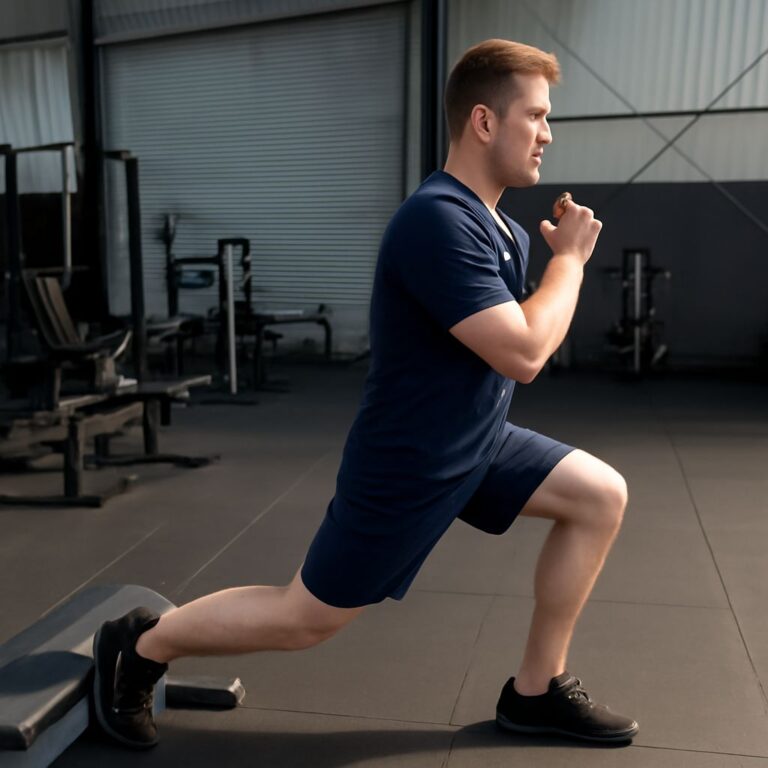
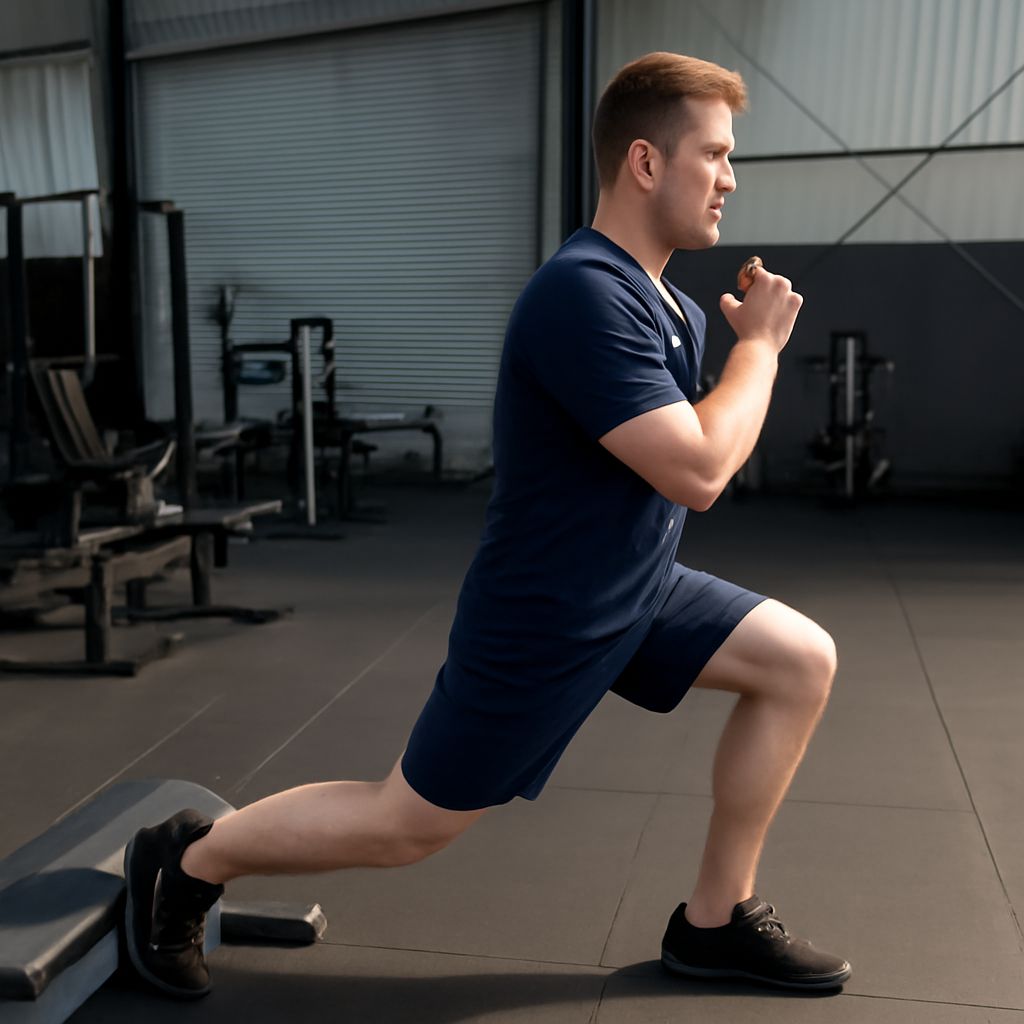
Stretches before workout, specifically those designed for pre workout stretches, are vital for priming your entire body—legs included—for the demands of physical activity. Dynamic stretching is especially effective prior to exercise, as it increases core temperature, activates muscles, and boosts neuromuscular coordination. Classic moves like walking lunges, leg swings, and dynamic hamstring reaches engage your lower body while also stimulating the hips and lower back, making them excellent choices before beginning any intensive routine.
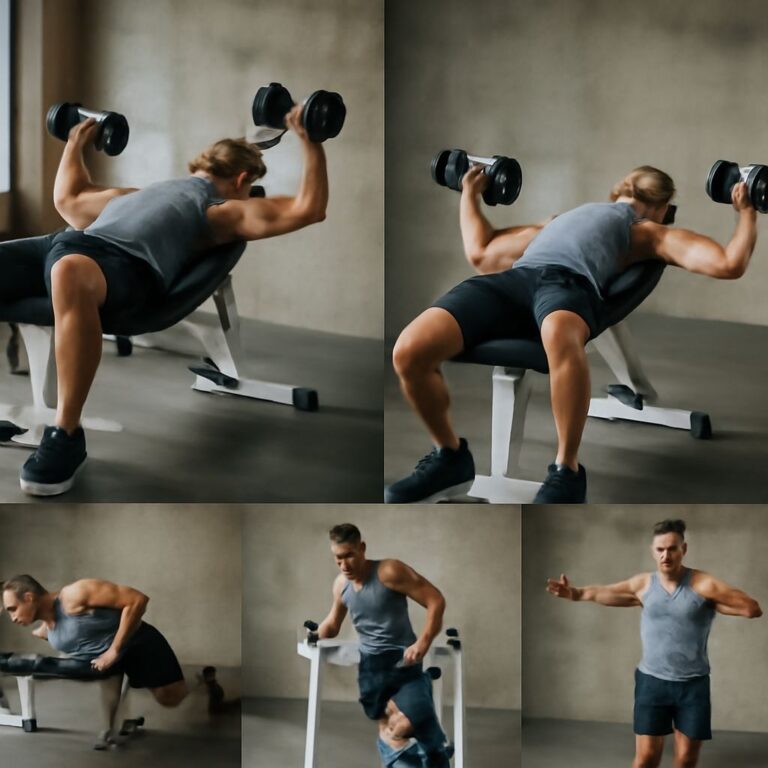
To get ready for a workout, it’s crucial to choose stretches that are both movement-driven and mindful of your sport or activity. For instance, those who run or cycle will benefit from dynamic quad stretches as well as calf and glute activations. Meanwhile, anyone preparing for strength training should consider adding dynamic adductor and hip flexor mobilizations. By sequencing these stretches before your main workout, you ensure that the lower and upper body work in harmony, reducing the risk of abrupt muscle pulls or strains.
There’s a distinct advantage to building a personalized pre workout routine that blends traditional and innovative mobility drills. For example, alternating between standing hip circles and lateral lunges not only targets different segments of the leg muscles but also encourages joint stability. Users can enhance their own pre workout flexibility by experimenting with variations—such as speed or range of motion adjustments—to suit their current level and specific goals.
Completing a thoughtful series of pre workout stretches elevates your readiness for exercise. This approach readies your muscles for the stresses ahead, while also reinforcing healthy movement mechanics. When you devote just a few minutes to comprehensive leg and body stretching before your main activity, you set yourself up for better performance, faster recovery, and greater resilience against injury. Over time, the habit of regular, effective stretching will translate into improved mobility, fewer aches, and a more enjoyable fitness journey.