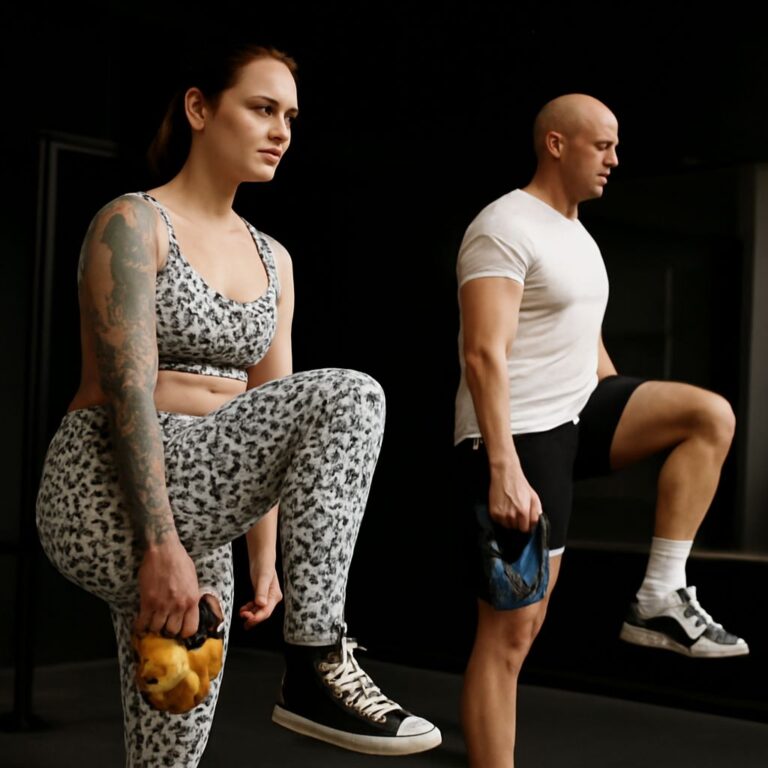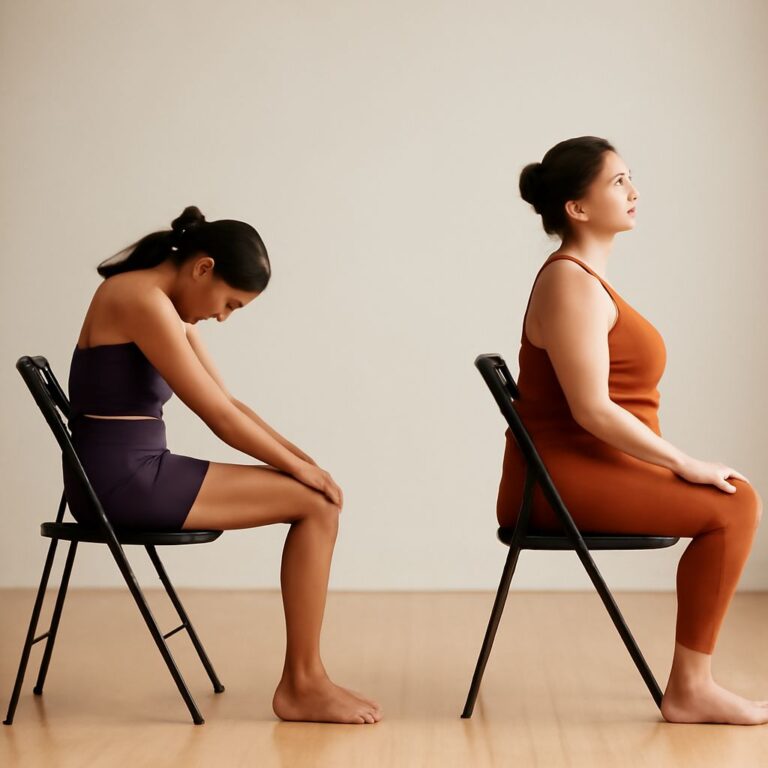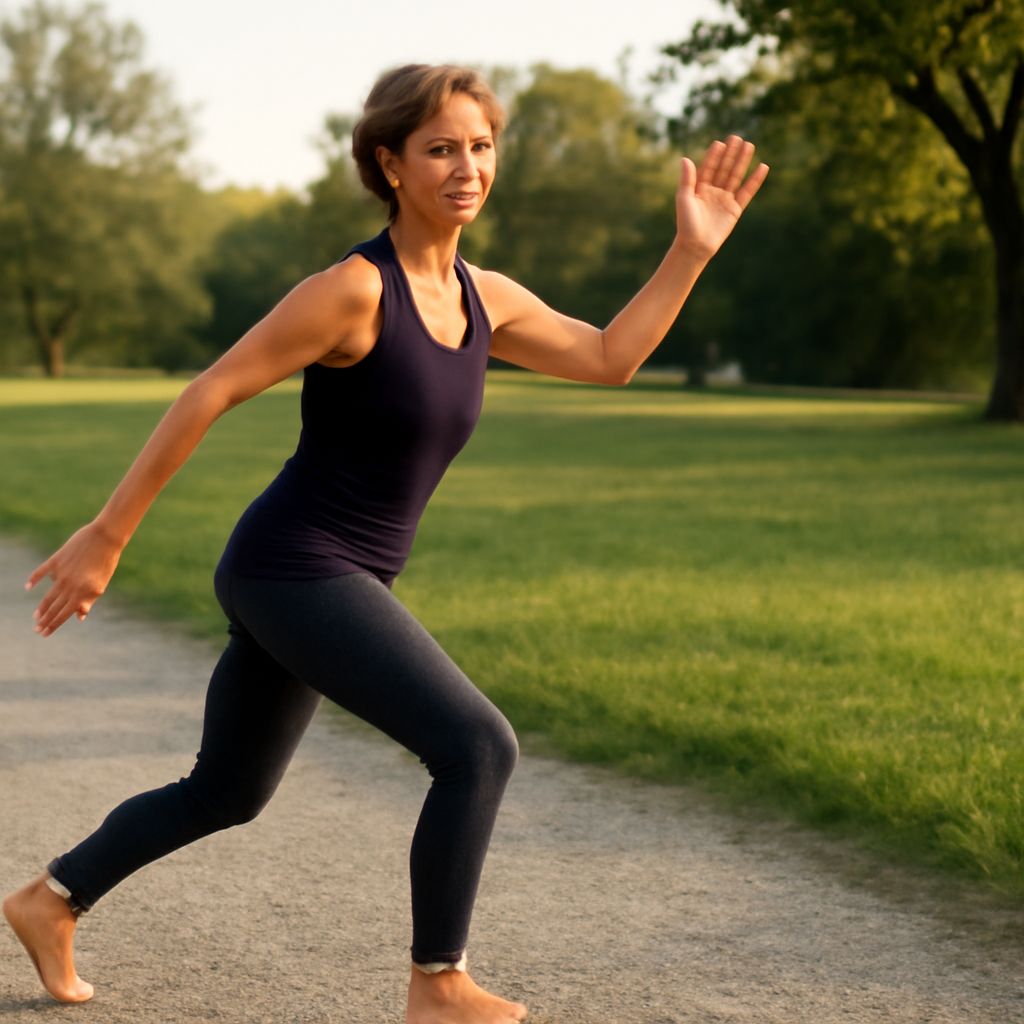
During a walk, your legs support your body as your feet meet the ground. In a pool, water supports part of your weight; on a bicycle, the seat supports much of it. Understanding this difference helps you choose activities that involve supporting your body weight while moving against gravity.
Weight Bearing Exercise: What Happens When You Move?
What are weight bearing exercises? They are activities in which you support your weight against gravity, usually while standing and moving on your feet. Walking, climbing stairs and dancing are familiar examples. The contact with the ground and the work of supporting your body place demands on muscles and bones.
What is weight bearing exercise in everyday terms? Imagine getting up from a chair and walking across a room: your legs bear your weight as you stand and step. You do not need to hold a dumbbell for that activity to fit the description. The amount and pattern of loading vary with the activity and how you perform it.
The term is often used when discussing bone health. Bones respond to mechanical loading, but the effect of a particular activity depends on the person and the exercise. Regular movement is one part of caring for bones, alongside other factors such as nutrition and appropriate medical care. The National Institute of Arthritis and Musculoskeletal and Skin Diseases describes weight-supported activity, resistance work and balance training as complementary forms of exercise.
Everyday Examples and Different Levels of Impact
These weight-bearing exercises vary in pace, impact and balance demands. Start with one you can do comfortably in a familiar setting:
- Walking: Choose a level path or a treadmill and use a pace that lets you speak comfortably. A short walk after a meal can fit into an existing routine.
- Stair climbing: Use a handrail and climb at a controlled pace. A few steps may be enough to begin; a flight repeated quickly is a greater challenge.
- Dancing: Simple steps while standing can add variety. Choose a stable surface and movements that match your balance and coordination.
- Standing from a chair: Rise slowly from a stable chair and sit down with control. Place the chair against a wall and use your hands if needed.
- Jogging or jumping: These create more impact as the feet land. They are more demanding options and may be unsuitable for someone with a fracture risk or an injury.
Lower impact does not mean no effort. Walking can raise your breathing and challenge your legs without the repeated landings of running. A weight-bearing exercise should suit your current strength, balance and health; a harder version is not automatically the right next step.
How Swimming, Cycling and Strength Work Differ
Swimming and cycling are valuable ways to move and can provide cardiovascular exercise. In water, buoyancy supports some body weight. On a seated bike, the saddle and frame support much of it. Consequently, they load the legs differently from walking on land. You can enjoy either activity and include a suitable standing activity separately if supporting your weight is also a goal.
Resistance training uses a load to challenge muscles. That load may be a band, a dumbbell or your own body. A chair rise is both a movement against resistance and an activity performed on your feet; a seated arm curl challenges the arms without requiring the legs to support the body. These categories can overlap, but they describe different aspects of movement.
Balance work adds another useful element. For example, standing near a sturdy counter and shifting weight from one foot to the other lets you practice control with support close by. Choose a stable surface and avoid letting go of support before you feel ready.
Begin With an Amount You Can Repeat
If you are new to exercise, select an activity that fits your present routine. You might walk for five to ten minutes on a flat route, then notice how you feel during the walk and later that day. Repeat a manageable session on several days before adding a little time. If the longer session leaves you unusually sore or tired, return to the previous amount and build more slowly.
Comfortable shoes, a clear route and a pace you can control make a starting session easier to repeat. For stairs, use a handrail and leave room to turn around safely. You can also break movement into shorter periods if that works better for your schedule. The goal is to find a level you can practice consistently, then adjust as your capacity changes.
If you have osteoporosis, low bone density, a recent fracture or another condition that affects movement, discuss suitable activities with your healthcare professional before increasing impact. Stop for sharp pain, dizziness or other concerning symptoms. The right adaptation may be a flatter route, a slower pace, additional support or a different activity.
After reading, choose one familiar route or a stable chair and schedule a short session for this week. Decide how long or how many controlled repetitions feel manageable, then note how you feel afterward before adding more.