Many athletes believe that running alone sufficiently builds leg strength and flexibility. However, integrating runners yoga into your routine can significantly boost both. This practice not only enhances your running performance but also reduces the risk of injuries. Runners frequently overlook the therapeutic potential of yoga, which addresses muscular imbalances and fosters mental clarity.
Contrary to popular belief, yoga isn’t just about relaxation and stretching; it offers a comprehensive workout for the body and mind. By incorporating specific yoga poses, runners can address tightness and strengthen muscles in a holistic way. These targeted stretches can lead to improved endurance and reduced muscular tension.
Benefits of Runners Yoga
Runners yoga offers myriad advantages that support athletic performance. Regular practice encourages improved flexibility, a crucial factor in maintaining a full range of motion. Enhanced flexibility allows runners to achieve longer strides and smoother transitions, which can enhance speed and efficiency.
Another significant benefit is the strengthening of muscles not typically engaged during running. These supporting muscles, when neglected, can lead to imbalances and potential injuries. Yoga effectively targets these areas, aiding in injury prevention by distributing stress more evenly across your body.
Beyond the physical, runners yoga also supports mental well-being. The focus on breath and mindfulness reduces stress, sharpens concentration, and helps in managing pre-race anxiety. This mental clarity can lead to more focused and effective training sessions.
Essential Runners Yoga Poses
Pose 1: Downward Dog
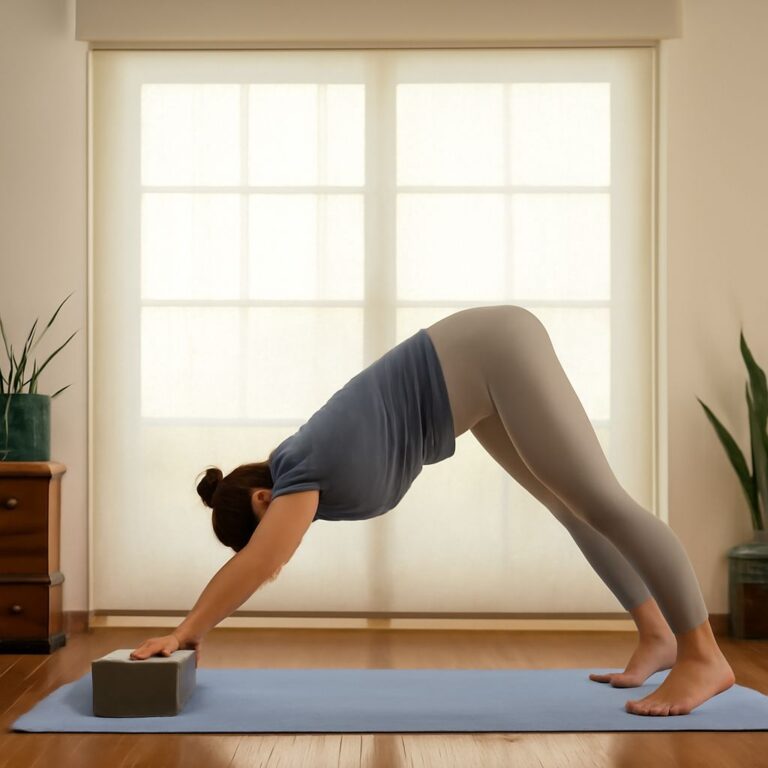
The Downward Dog is a staple in yoga, addressing multiple areas simultaneously. This pose stretches the hamstrings, calves, and back, providing relief from the repetitive strain of running. By consistently practicing this pose, you can alleviate tightness in these regions, which often accumulate tension from long runs.
To perform Downward Dog, start on your hands and knees. Elevate your hips, straighten your legs, and press your heels towards the ground. This movement encourages lengthening of the spine and opening of the shoulders, which can counteract the hunched posture common in runners.
Pose 2: Pigeon Pose
The Pigeon Pose focuses on opening the hips, an area that often becomes tight due to the linear motion of running. Tight hips can lead to compensatory pain in the knees and lower back. By incorporating Pigeon Pose into your routine, you can enhance hip flexibility and alleviate this discomfort.
Begin in a plank position, then bring one knee forward and place it behind your wrist, with the ankle near the opposite hip. Extend your other leg straight back. Lower your torso over your bent leg for a deeper stretch. This pose not only promotes hip flexibility but also encourages deep breathing, enhancing relaxation.
Incorporating these essential poses can transform your running performance and overall well-being. By dedicating time to runners yoga, you’re investing in your long-term athletic health. As you continue this practice, you’ll likely notice not only physical changes but also an enhanced mental resilience.