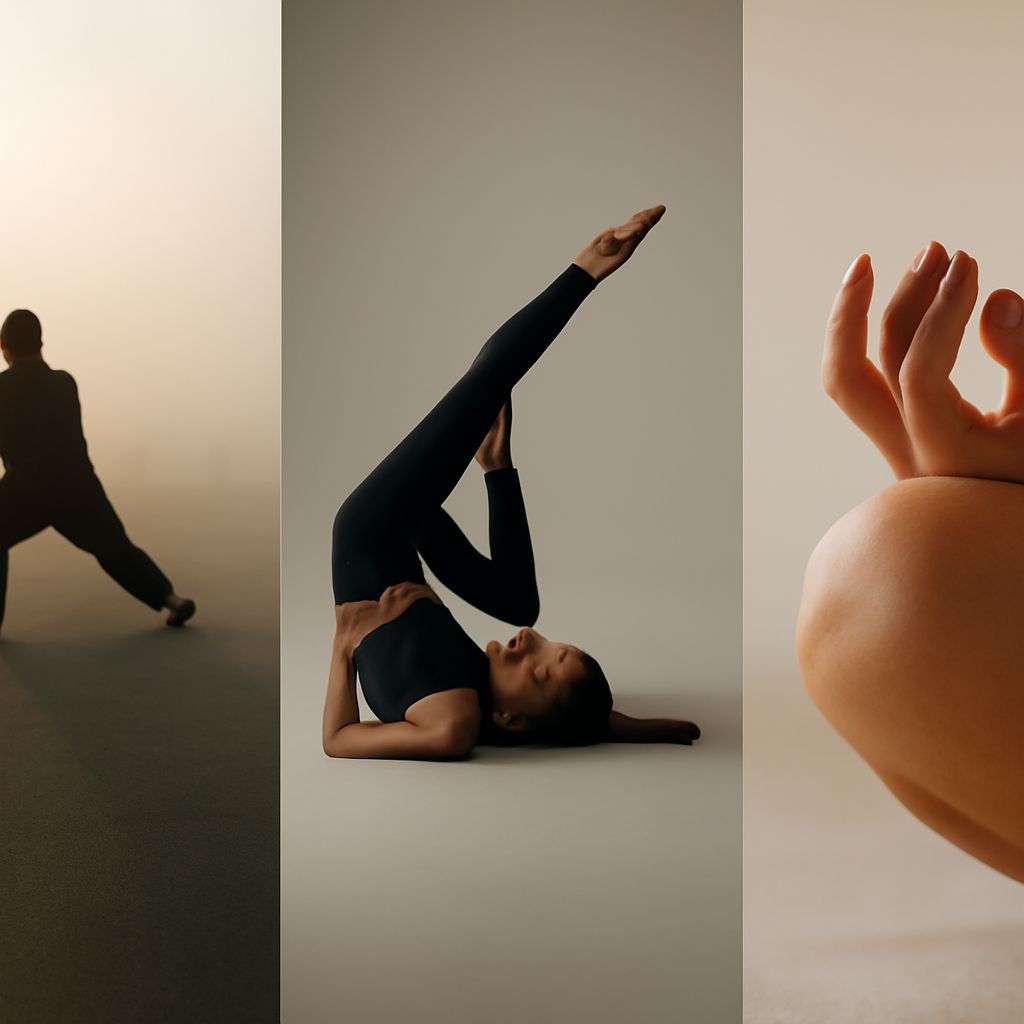
Yoga is often seen as merely a form of physical exercise, but this perception misses the profound depth of its roots. People practicing yoga in the modern world may overlook its spiritual and philosophical dimensions. By strictly focusing on postures, they miss the holistic essence which includes breath and ancient wisdom. In this article, we’ll uncover the philosophy of sacred yoga and the essential role of breath, offering a deeper understanding of this transformative practice.
Introduction to Sacred Yoga
Sacred yoga is not just about flexibility or strength. It is a centuries-old practice that integrates mind, body, and spirit through philosophy and breath. The sacredness of yoga is found in its ability to connect individuals to a greater universe, offering a path to self-realization and inner peace.
The Philosophy of Sacred Yoga
Yoga philosophy delves into the core of existence, emphasizing unity with the universe. This philosophy is rooted in ancient texts like the Yoga Sutras and the Bhagavad Gita, which provide insights into living a balanced life. The teachings are not mere theories; they form a practical framework for living with awareness and purpose.
Sacred yoga encourages practitioners to explore their inner selves. By aligning with universal principles, one can achieve harmony within and without. The philosophical aspects of yoga invite you to transcend the ego and embrace a collective consciousness, fostering compassion and wisdom.
The Role of Breath in Sacred Yoga
Breath, or pranayama, is a vital component of sacred yoga, acting as a bridge between the physical and spiritual realms. It’s more than just inhaling and exhaling; it is a practice of controlling life force energy. Through mindful breathing techniques, practitioners can enhance focus, reduce stress, and deepen their yoga experience.
The rhythmic flow of breath aids in harnessing the mind’s energy, enabling a meditative state. This connection with breath enhances the awareness of the present moment, promoting a sense of calm and tranquility. Breath control is a foundational aspect that empowers the physical postures and enriches the spiritual journey.
Integrating Philosophy and Breath
Integrating the philosophy of sacred yoga with breath practices creates a holistic approach to well-being. The philosophy provides the principles and purpose, while the breath serves as the dynamic force that brings those principles to life. Together, they cultivate a deeper awareness and understanding of self.
This integration is about living yoga off the mat. When philosophy guides actions and breath controls emotions, life becomes a conscious practice of mindfulness and intention. The synergy of these elements creates a transformative experience, inviting a profound connection to oneself and the world.
Benefits of Sacred Yoga Practices
Engaging in sacred yoga practices offers numerous benefits, transcending physical health to touch the realms of mental and emotional well-being. The integration of philosophy and breath fosters resilience, enhances clarity, and nurtures empathy and compassion. Practitioners often find themselves more grounded and centered.
On a physical level, sacred yoga improves flexibility and strength, while on a deeper level, it fosters a balanced and serene mind. The continual practice encourages personal growth, helping individuals to navigate life’s challenges with grace and awareness. Sacred yoga, thus, becomes a lifelong journey of self-discovery and fulfillment.