Yoga backbends might seem intimidating, often viewed as poses reserved only for the supremely flexible. However, this is a myth. The reality is that backbends are accessible to everyone and offer myriad benefits beyond impressive flexibility. These poses are essential in any yoga practice, contributing to both physical and mental well-being.
Embracing yoga backbends can transform your practice by enhancing flexibility in your spine, shoulders, and hips. While they are sometimes seen as challenging, with the right approach and techniques, backbends can be safely and effectively incorporated into any yoga routine, regardless of your experience level.
Introduction to Yoga Backbends
Yoga backbends are a vital component of a balanced yoga practice. By bending the spine backwards, these poses not only improve flexibility but also strengthen the muscles that support the spine. Moreover, backbends can energize the body, open the heart center, and improve posture.
Benefits of Yoga Backbends
Practicing backbends offers numerous benefits. First, they help increase spinal flexibility and strength, benefiting overall mobility. Additionally, backbends stimulate the nervous system, which can boost energy levels and improve mood. They also enhance breathing capacity by opening the chest and lungs.
Beyond physical advantages, backbends can also foster emotional release. By opening the heart center, these poses can help release stored emotions, promote courage, and build confidence. Regular practice of backbends may contribute to a balanced emotional state and greater mental clarity.
Common Backbend Poses
Beginner Poses
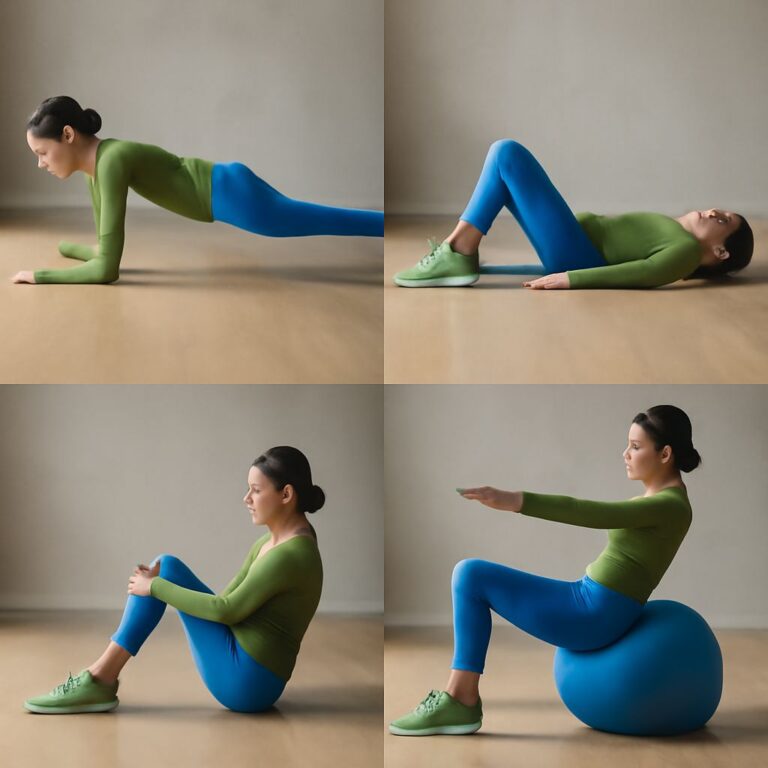
For those new to yoga backbends, starting with simpler poses is crucial. Bridge Pose and Cobra Pose are excellent starting points. These poses gently increase back flexibility and strength without overwhelming the practitioner. Focus on maintaining a steady breath and moving slowly into each pose.
Intermediate Poses
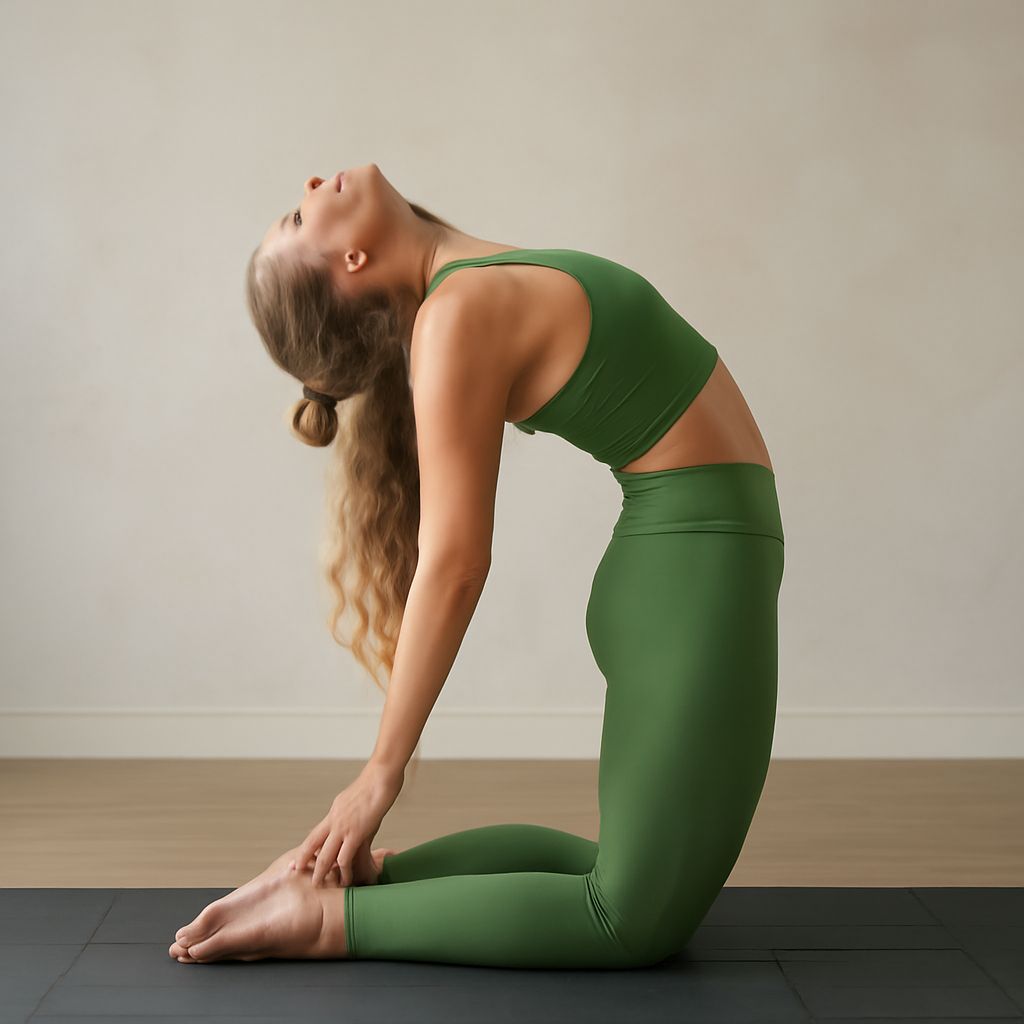
Once you’re comfortable with basic backbends, you can progress to intermediate poses like Camel Pose and Wheel Pose. These poses require more balance and engagement of deeper back muscles. Ensure you are adequately warmed up and listen to your body to prevent overextension.
Advanced Poses
For seasoned practitioners, advanced backbends such as King Pigeon Pose and Scorpion Pose offer a deeper stretch and greater challenge to flexibility and strength. These poses necessitate a strong core and good alignment awareness. Incorporating props, like blocks or straps, can provide additional support and deepen your practice.
Safety Tips for Practicing Backbends
When practicing backbends, safety is paramount. Always warm up thoroughly with gentle stretches and foundational poses. Pay attention to alignment and avoid pushing beyond your comfort level. Engaging your core helps protect your lower back from strain. If you’re uncertain, working with a qualified yoga instructor can provide personalized guidance and prevent injury.
Incorporating Backbends into Your Routine
Integrating backbends into your yoga routine can be done by setting aside a few sessions each week dedicated to these poses. Combining backbends with poses that counteract their intensity, such as forward bends, can maintain muscular balance and ensure a well-rounded practice.
For further progress, consider maintaining a yoga journal to track your development and reflect on how backbends make you feel both physically and emotionally. This practice can enhance your self-awareness and ensure you continue to reap the benefits of yoga backbends over time.
Next steps: If you’re ready to explore backbends further, start by incorporating beginner poses into your routine and gradually work towards more challenging options as you gain confidence and flexibility. Regular practice, patience, and listening to your body will help you safely enjoy the profound benefits of backbends.