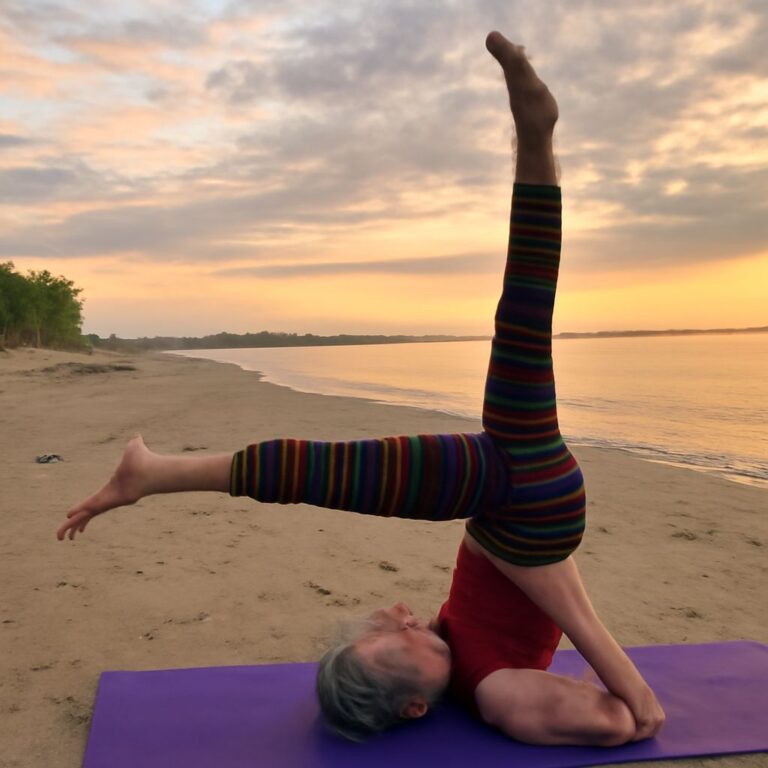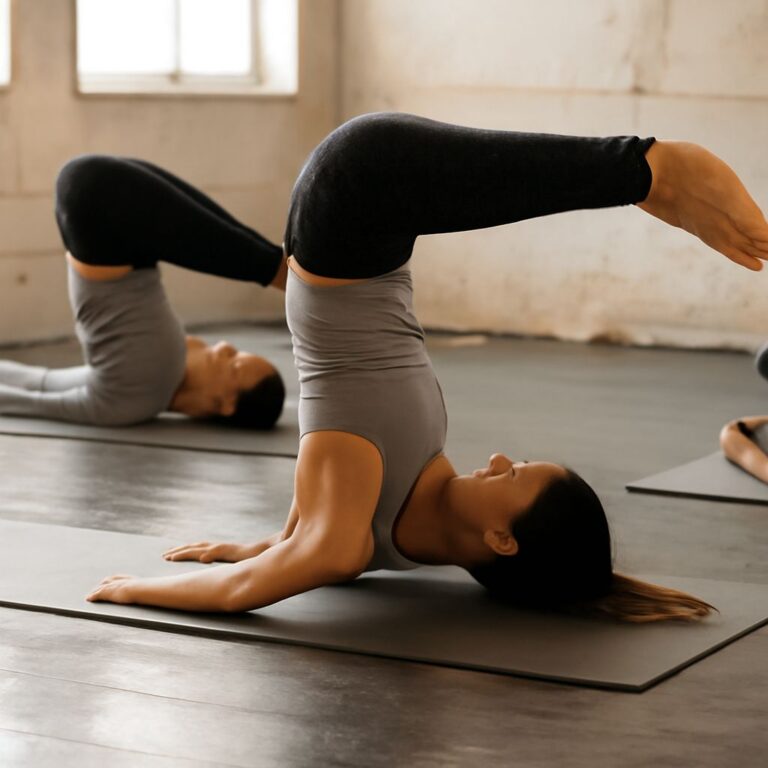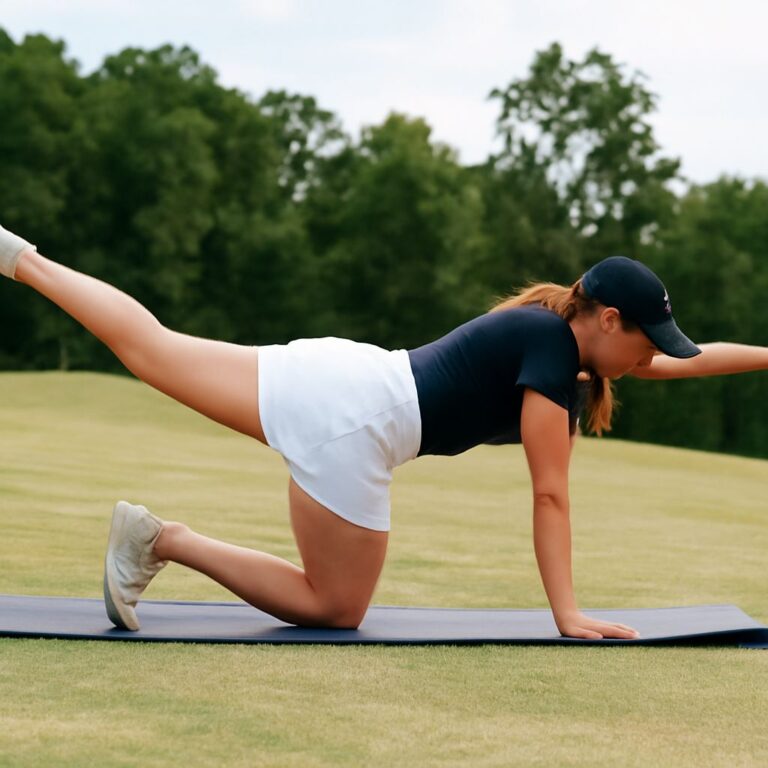
It’s a common misconception that yoga is all about bending and twisting into seemingly impossible positions. However, the truth is, yoga encompasses a broad range of postures that cater to various skill levels. For beginners, standing yoga poses offer an accessible entry into the practice. These poses not only help improve balance and strength but also form the foundation of a sustainable yoga practice.
Yoga standing poses for beginners are often undervalued. Many assume that simple standing postures are too basic to be of any real benefit. Yet, these poses are critical in developing the core skills needed for more advanced sequences. By incorporating standing yoga poses into their routine, beginners can build a strong groundwork for future progression.
Benefits of Yoga Standing Poses
Standing yoga poses provide a multitude of benefits that extend beyond the yoga mat. One of the key advantages is the improvement of overall balance. By engaging muscles throughout the body, these poses help practitioners maintain stability. Moreover, standing poses are pivotal in enhancing strength, as they require active engagement of the legs, core, and arms.
Additionally, standing postures offer significant benefits for posture and alignment. Practicing these poses regularly helps individuals develop awareness of their body’s alignment, which can be beneficial in daily life. As practitioners focus on their stance, they cultivate mindfulness, leading to improved mental clarity and reduced stress. Thus, the practice of yoga standing poses can be a powerful tool for holistic wellness.
Easy Standing Yoga Poses for Beginners
For those new to yoga, starting with easy standing poses can make the journey enjoyable and approachable. Here are some essential standing yoga poses that beginners can incorporate into their practice:
- Mountain Pose (Tadasana): This foundational pose helps establish proper alignment. Stand tall with feet together or hip-width apart, grounding through the feet, and reaching the crown of the head toward the sky.
- Tree Pose (Vrksasana): A balancing pose that strengthens the legs and core. Begin in Mountain Pose, then shift weight onto one foot, placing the other foot on the inner thigh or calf. Extend arms overhead for balance.
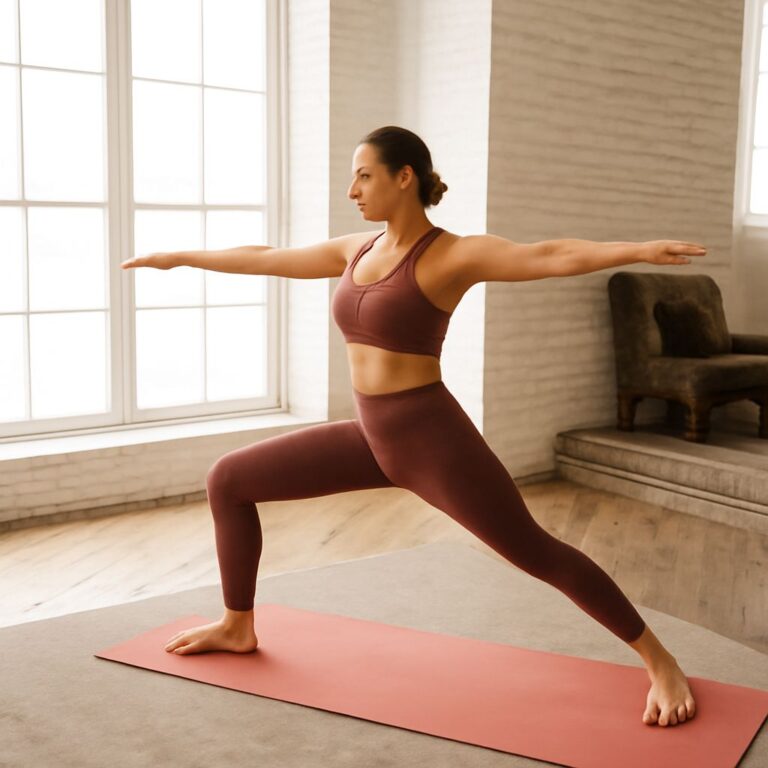
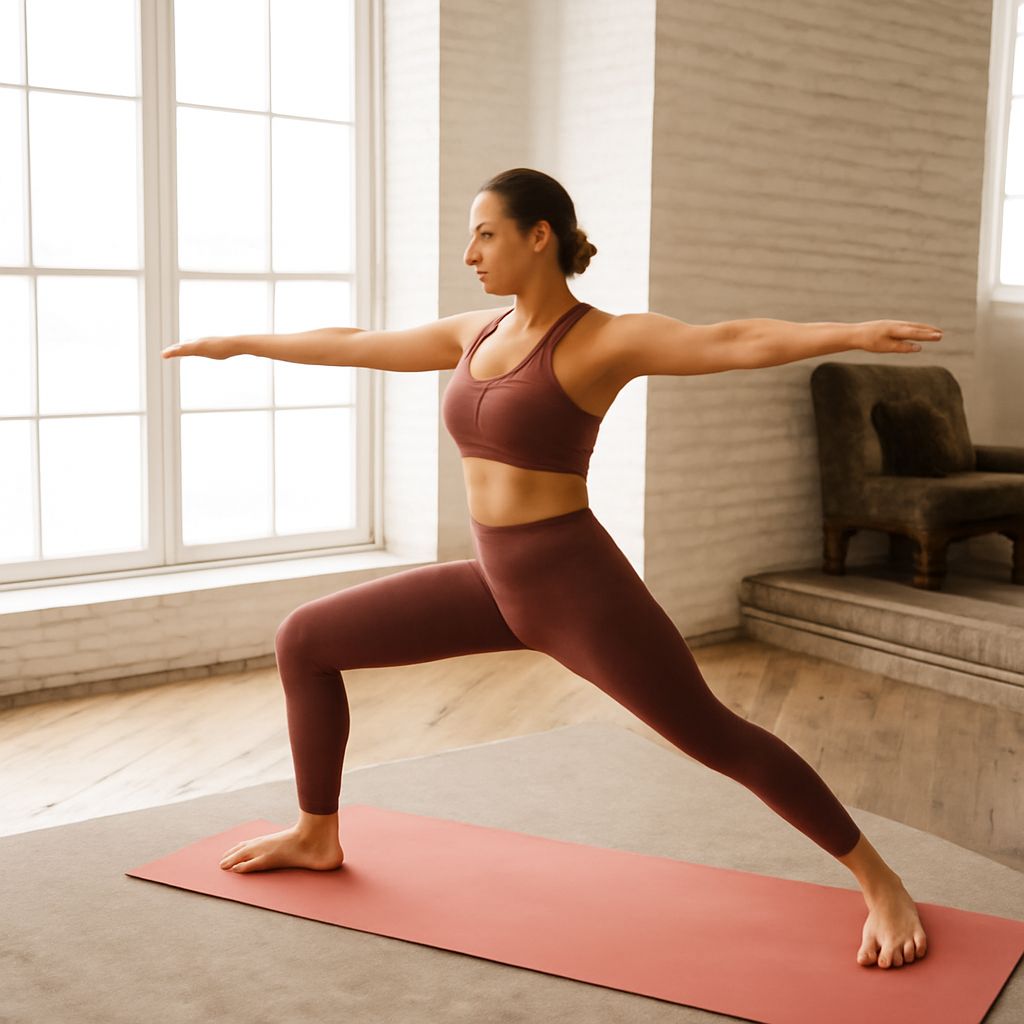
- Warrior I (Virabhadrasana I): This dynamic pose builds strength and stability. Step one foot forward, bending the knee while keeping the back leg straight. Raise arms overhead and gaze forward.
- Forward Fold (Uttanasana): A gentle stretch for the hamstrings and lower back. From Mountain Pose, hinge at the hips, reaching hands towards the ground while maintaining a slight bend in the knees.
- Triangle Pose (Trikonasana): Enhances flexibility and balance. Stand with feet wide apart, extend one arm towards the foot, and lift the other arm towards the sky, maintaining a straight line from fingertips to fingertips.
These poses are not only easy to perform, but they also offer a solid foundation for building strength and flexibility. By practicing these standing yoga poses regularly, beginners can gradually progress to more challenging asanas.
Next steps for incorporating standing yoga poses into a routine include setting aside time for regular practice, ideally daily or a few times a week. Beginners should focus on maintaining proper alignment to maximize benefits and prevent injuries. As they grow more comfortable, they can explore variations and transitions between poses to enhance their practice.