When most people think of yoga, they envision serene poses and calming breathwork, often overlooking the significance of the yoga mat beneath them. Many myths circulate about yoga mat length and its impact on practice. Some suggest that any mat will do, while others believe that the more expensive, the better the experience. The truth, however, lies in understanding the dimensions that best suit your practice and personal preferences.
Whether you’re a seasoned yogi or a beginner, knowing what size yoga mat do I need is crucial for enhancing your experience. It’s not just about aesthetics or brand; it’s about how the right mat can support your movements and help maintain alignment. Let’s delve deeper into the world of yoga mat dimensions and discover how you can find your ideal fit.
Understanding Yoga Mat Dimensions
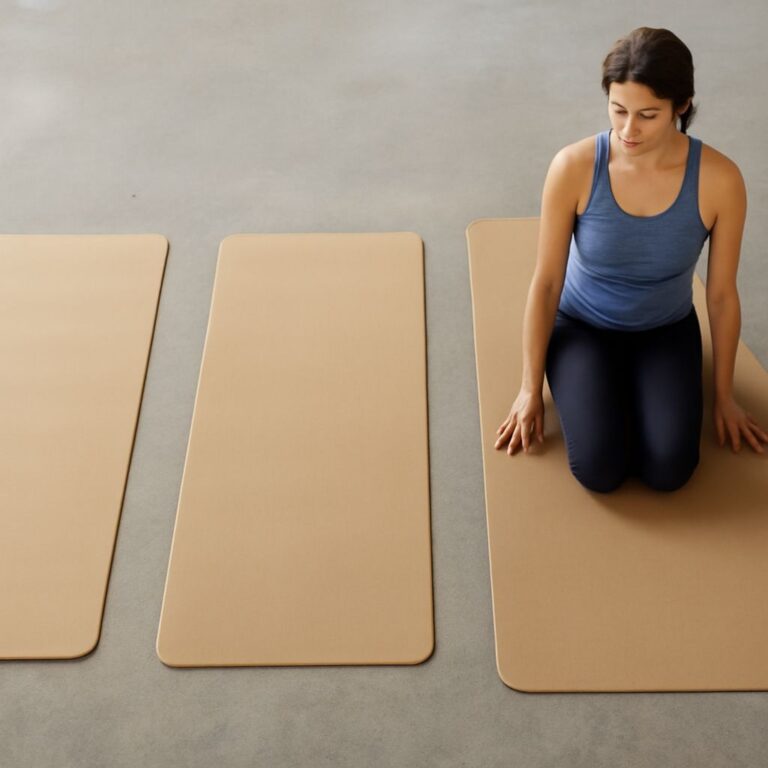
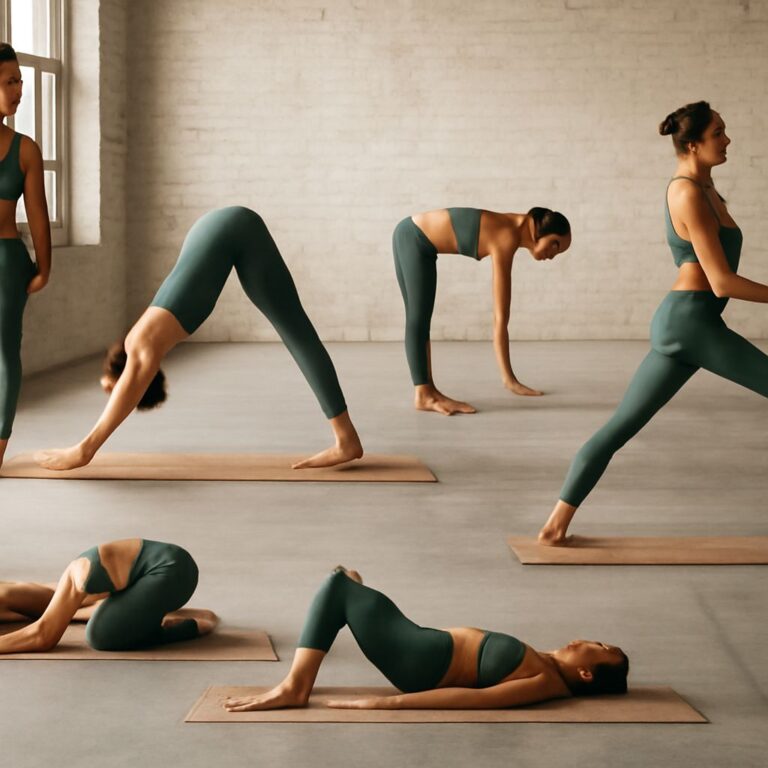
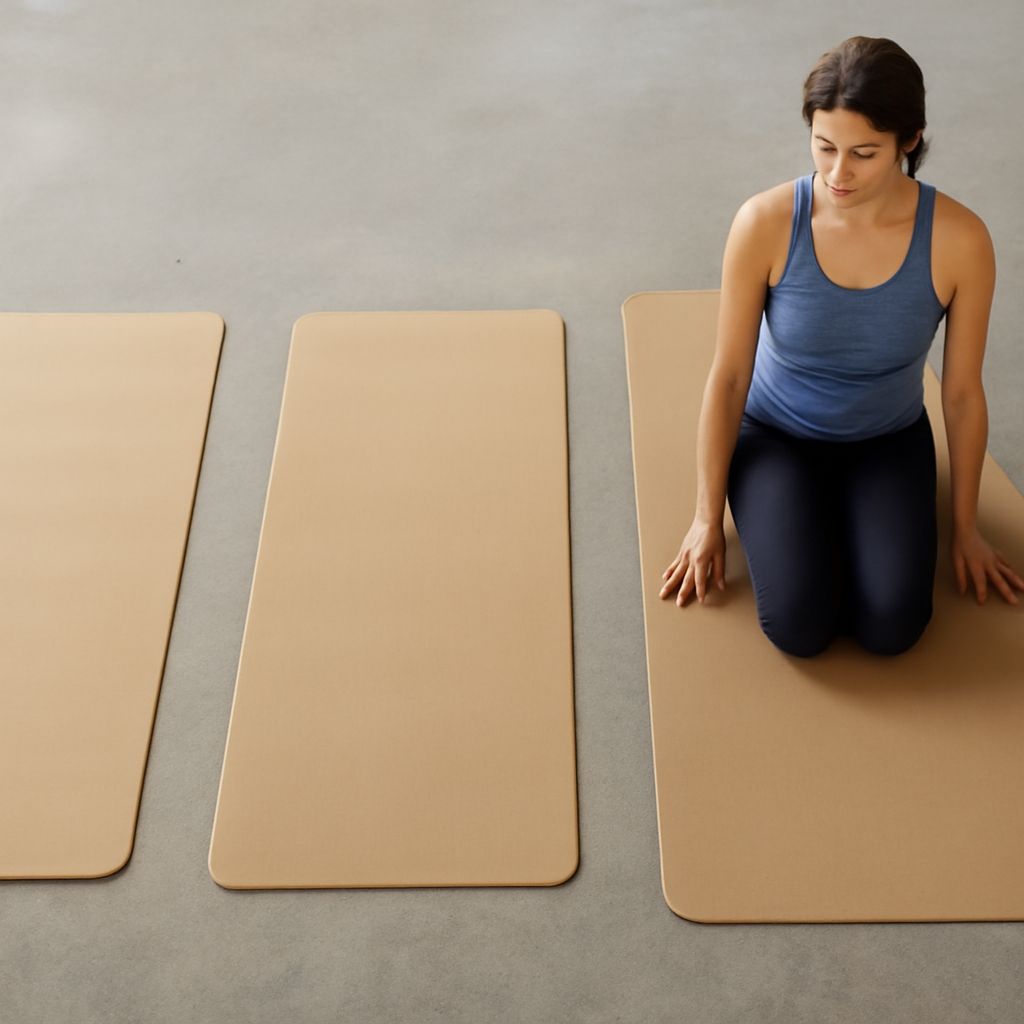
Yoga mats come in various sizes, and understanding these dimensions is the first step in selecting the right one for you. Typically, yoga mats range from 60 to 72 inches in length and about 24 inches in width. While this may seem standard, variations exist, catering to different body types and yoga styles. For instance, taller individuals might prefer a mat that exceeds the conventional 72 inches to accommodate their reach during extended poses like Downward Dog or Warrior II.
Another factor to consider is the thickness of the mat. Standard mats are about 4mm to 6mm thick, providing cushioning while still allowing a connection to the ground. Thicker mats, however, are ideal for practices requiring more comfort, such as restorative or prenatal yoga, where more padding can alleviate pressure on joints.
Selecting the Right Yoga Mat Length
Standard Sizes
When contemplating yoga mat length, the standard sizes suit most practitioners. These dimensions are designed to fit the average height and provide enough space for a variety of poses. A standard yoga mat, typically around 68 inches long, is portable and easy to carry, making it a popular choice among yogis on the go.
Despite the convenience of standard sizes, it’s important to evaluate your personal needs. If you frequently find your feet or hands slipping off the edge of your mat, it might be time to consider a longer option. The key is ensuring the mat offers adequate space to support your full range of motion.
Custom Options
For those who find standard mats lacking, custom yoga mat dimensions are available. These mats can cater to specific requirements, such as extra width or length, enhancing your practice by ensuring comfort and stability. Custom mats are especially beneficial for individuals who are taller or who practice dynamic styles of yoga that require more space.
Choosing a custom mat involves assessing your body’s proportions and the type of yoga practice you are engaged in. For example, a taller individual might opt for a mat over 72 inches, ensuring that every pose is comfortably executed. Likewise, some practitioners prefer wider mats to accommodate broader arm spans or for extra stability.
Additionally, the texture of the mat plays a significant role in comfort and grip. Custom mats often offer options where you can select the material that best suits your needs, such as natural rubber for eco-conscious yogis or extra grip surfaces for hot yoga enthusiasts.
Pro Tips Recap
Finding your perfect yoga mat is about understanding your personal needs and how they align with the various mat dimensions available. Consider the standard and custom options based on your height, practice style, and comfort preferences. Always test the grip and thickness to ensure it complements your poses without compromising stability. Remember, the right mat is an investment in a more focused, enjoyable yoga experience.