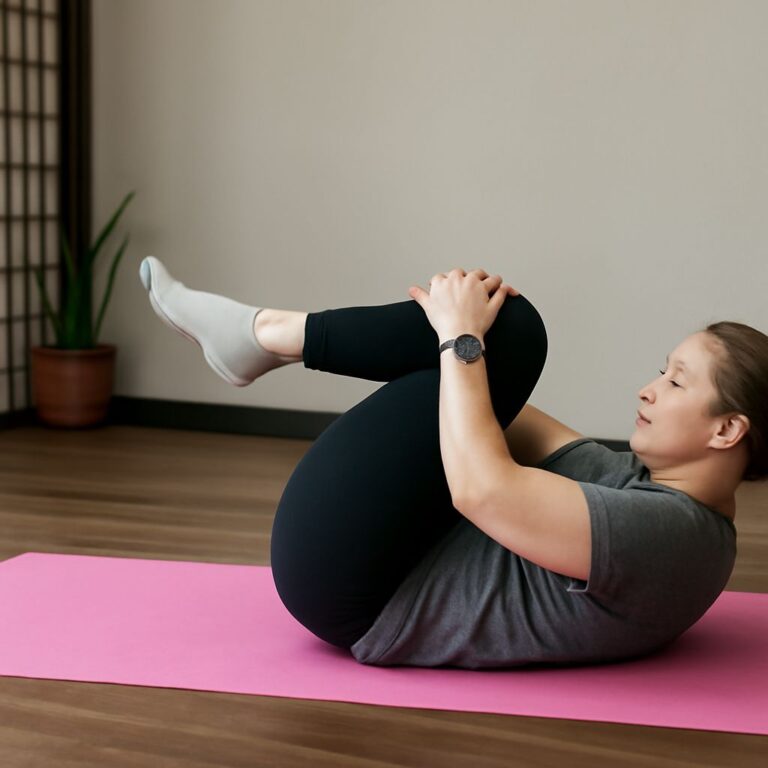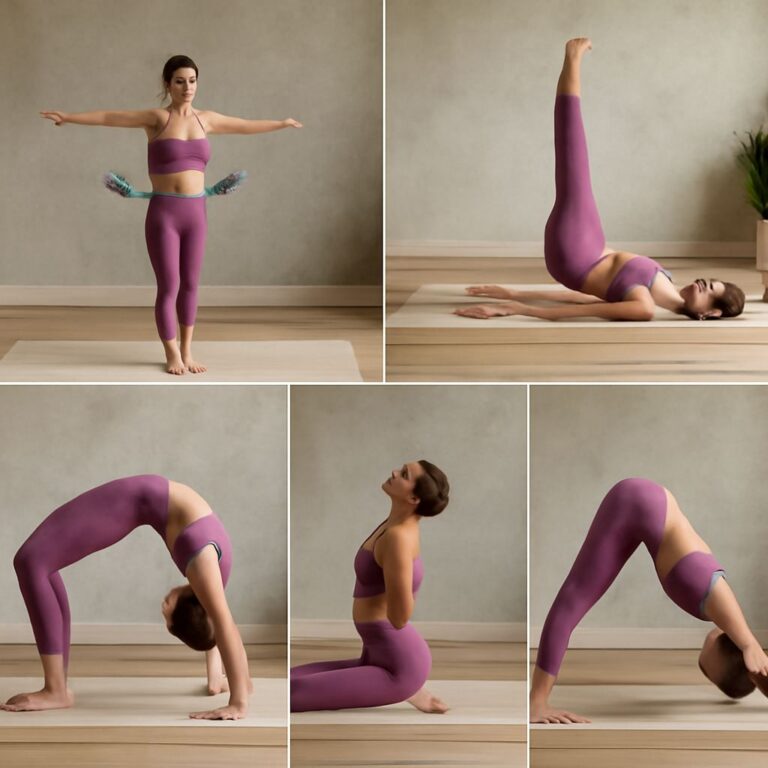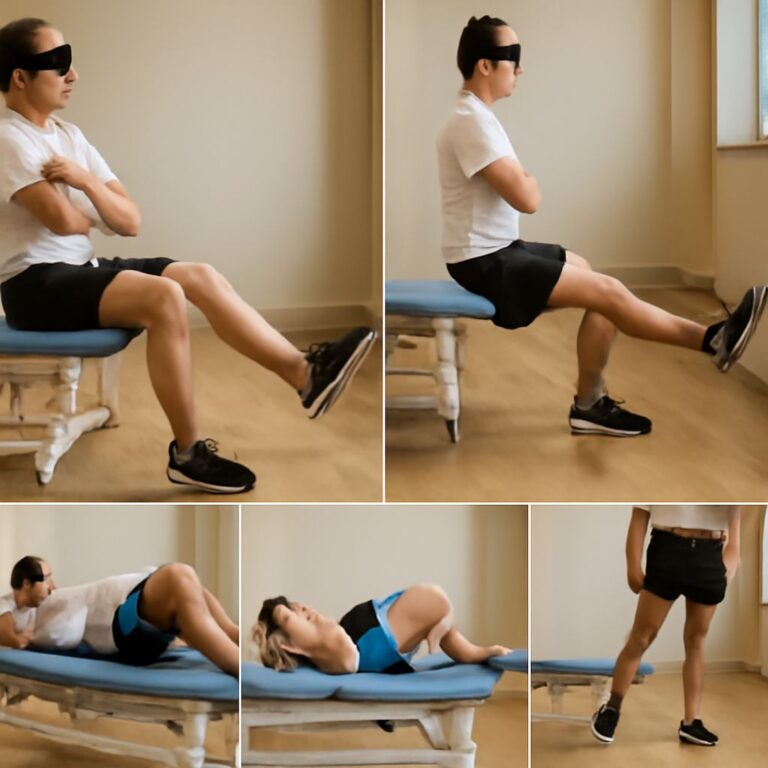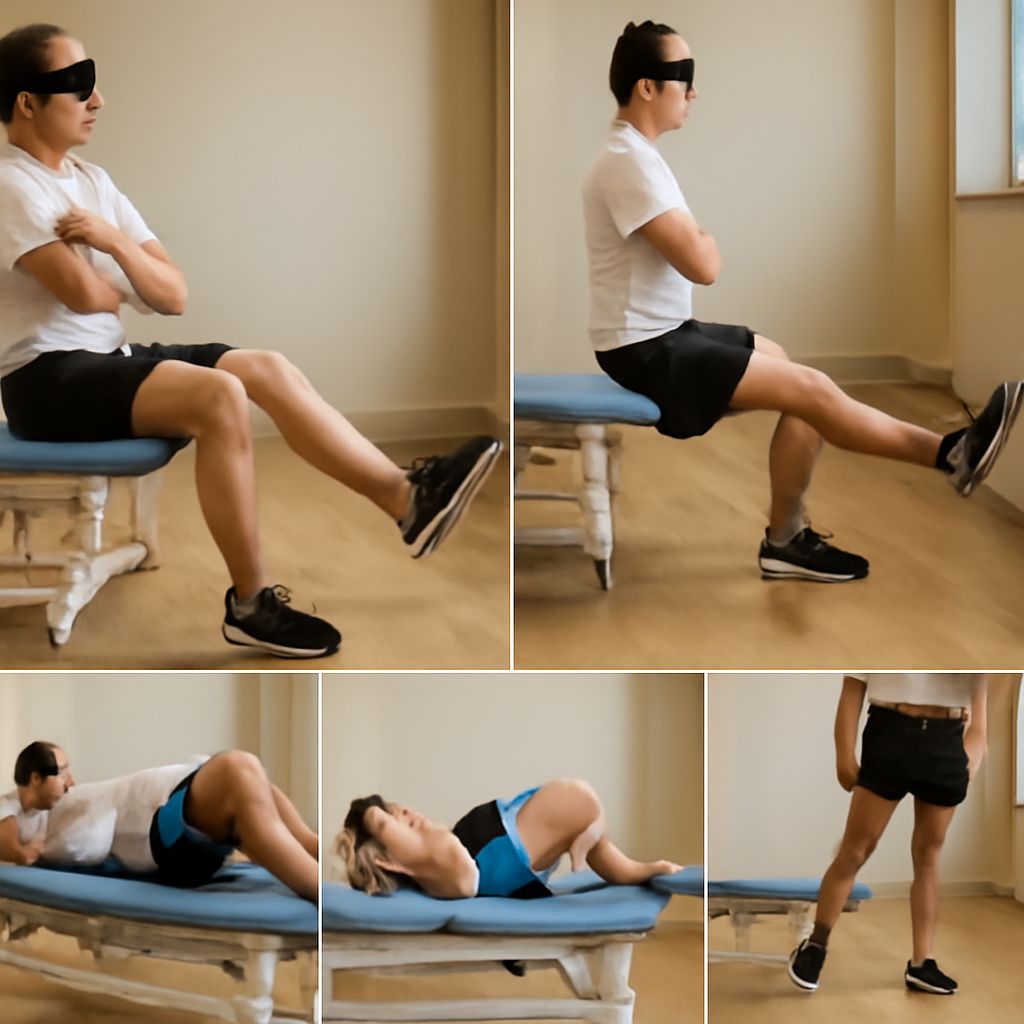
Patellofemoral pain syndrome, often simply referred to as PFPS, is a condition shrouded in misconceptions. Many individuals believe that rest alone can alleviate the discomfort associated with this syndrome. However, exercises for patellofemoral pain syndrome play a crucial role in managing symptoms and improving overall knee function. Contrary to the belief that exercise may exacerbate pain, specific patellofemoral pain exercises are designed to strengthen the surrounding muscles and support the knee joint.
Furthermore, some think that only athletes suffer from this condition, yet it is prevalent among the general population as well. By incorporating targeted routines, people with PFPS can experience significant relief and return to their daily activities with minimal discomfort. Let’s delve into understanding this syndrome and explore effective exercises that can help manage it.
Understanding Patellofemoral Pain Syndrome
Patellofemoral pain syndrome is characterized by pain around or behind the kneecap, often felt during activities such as climbing stairs, squatting, or sitting for prolonged periods. It is sometimes called “runner’s knee,” but this term can be misleading. While athletes frequently experience PFPS due to repetitive knee stress, it also affects non-athletes due to various factors like muscle imbalances or improper footwear.
The condition occurs when the patella, or kneecap, does not move smoothly in the femoral groove. This misalignment can lead to increased pressure and pain. Understanding the underlying causes is essential in selecting the right patellofemoral pain exercises to address these imbalances and enhance knee stability.
Effective Patellofemoral Pain Exercises
Incorporating a strategic exercise regimen is vital for individuals dealing with PFPS. Such routines should aim to strengthen the quadriceps, gluteal muscles, and core while promoting flexibility. These exercises can reduce strain on the kneecap and improve joint alignment. Here are some recommendations:
- Quadricep Strengthening: Exercises such as straight leg raises and mini-squats can help build strength in the quadriceps without overloading the knee joint. These movements are core components of patellofemoral pain exercises because they enhance knee support.
- Gluteal Activation: Engaging the glute muscles is crucial in maintaining proper hip alignment. Bridging and clamshell exercises are excellent choices for activating these muscles, which in turn reduce pressure on the knees.
- Core Stability: A strong core supports overall body alignment, which can mitigate knee pain. Plank variations and core rotations should be integrated into the exercise program.
Partial uses of the quadricep strengthening routines, like using resistance bands or weights, can further enhance the muscle-building process. Additionally, performing these exercises regularly can help maintain the improvements over time.
It is vital to adapt exercises to individual needs, ensuring that the intensity and frequency align with personal fitness levels and pain thresholds. Consulting a physical therapist can provide personalized guidance and modifications to these routines, ensuring they are effective and safe.
Moreover, incorporating dynamic stretching in the warm-up phase can prepare the muscles and joints for the workout, reducing the risk of injury. Cooling down with static stretches can also aid in maintaining flexibility and preventing stiffness, which is essential for anyone dealing with PFPS.
Ultimately, the key to managing patellofemoral pain syndrome through exercise lies in consistency and gradual progression. Avoiding sudden increases in activity intensity and ensuring proper form during exercises will contribute to long-term knee health and pain reduction.
Safety recap: When integrating these exercises for patellofemoral pain syndrome into your routine, prioritize gradual progression and listen to your body. If any exercise exacerbates pain, it is essential to stop and seek advice from a healthcare professional. Proper form and consistency are crucial to achieving effective results while minimizing the risk of further injury.