Many believe that assessing muscle performance is straightforward, often assuming it only involves counting repetitions or evaluating how much weight one can lift. However, understanding and utilizing muscle strength grading is a nuanced process essential for accurately assessing motor capabilities. This system, known as the motor strength grading, offers a standardized way to evaluate muscle functionality, beyond simplistic measures.
When we talk about the strength testing scale, it’s not just about physical prowess. The grading scale provides insights into muscle health and recovery potential, crucial for athletes and individuals recovering from injuries alike. The muscle strength scale 0-5 is not merely a numeric assessment; it encapsulates a range of physiological capabilities, helping professionals make informed decisions about treatment and training regimens.
What is Muscle Strength Grading?
Muscle strength grading is a comprehensive system used by healthcare professionals to evaluate the power of muscles. This method offers a precise way to gauge muscle capabilities, facilitating diagnosis and treatment planning. The grading not only measures strength but also indicates muscle health and functionality.
The system ranges from zero, indicating a complete lack of muscle contraction, to five, which signals normal strength. This scale is crucial for understanding how muscles respond to stimuli and can aid in identifying neuromuscular issues. By analyzing these grades, clinicians can better tailor rehabilitation programs to meet specific needs.
The Muscle Strength Scale 0-5
The muscle strength scale, ranging from 0 to 5, provides a detailed snapshot of muscle capabilities. A grade of 0 indicates no visible contraction, while 1 suggests a flicker of movement. Grade 2 means movement is possible but not against gravity, whereas 3 signifies movement against gravity alone.
A grade of 4 indicates the muscle can move against some resistance, and 5 is reserved for normal power. This scale allows practitioners to discern subtle differences in muscle function that are critical for accurate diagnosis and effective treatment. It underscores the importance of precision in measuring muscle force and response.
Understanding the Motor Strength Grading
Motor strength grading offers a deeper dive into assessing muscle power by adding layers to the standard scale. It focuses on motor neuron function and the effectiveness of muscular response to neural signals. This grading is pivotal in diagnosing neurological disorders and assessing recovery progress.
Understanding motor strength involves evaluating how well muscles communicate with the nervous system, reflecting both voluntary and involuntary movements. This grading is not merely about raw power; it encompasses the flow of neural signals and how these translate into muscular actions, offering insights into both physical and neural health.
How to Use the Strength Testing Scale
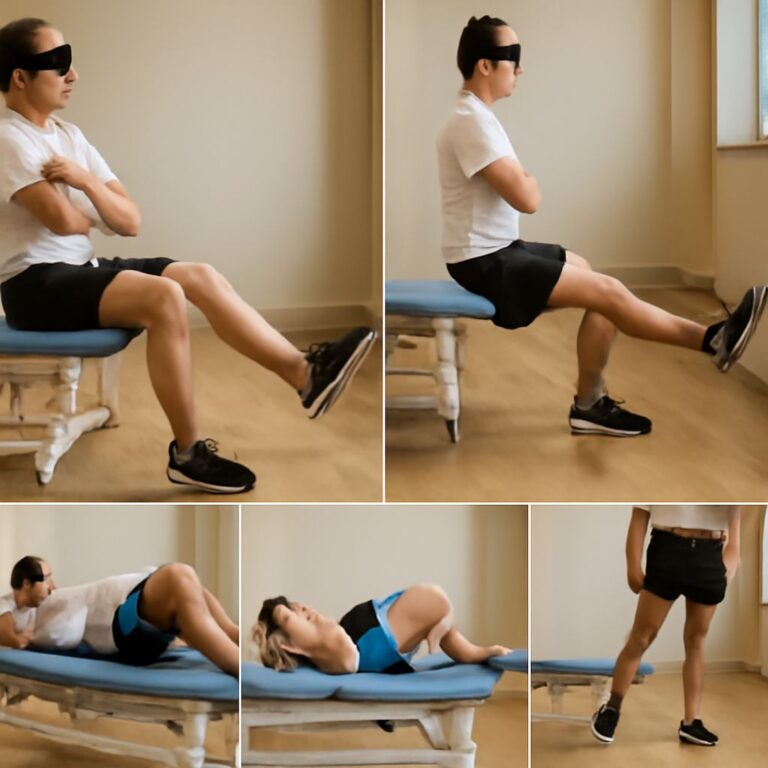
Utilizing the strength testing scale effectively requires training and experience. Healthcare professionals employ specific techniques to assess each grade, ensuring consistency and accuracy in evaluations. This often involves observing muscle contraction and resistance during various movements.
Practitioners might use manual muscle testing, where resistance is applied while the patient performs specific actions. The goal is to determine how much force a muscle can exert without external aid, providing a clear picture of its strength and health. This scale is also instrumental in monitoring progress during rehabilitation, guiding adjustments to therapy plans.
The Importance of the Muscle Strength Grading Scale
The muscle strength grading scale is fundamental in clinical settings, offering a reliable method for assessing muscle health. It helps in tracking recovery from injuries, guiding rehabilitation, and diagnosing potential muscular or neurological disorders. This scale is indispensable for tailoring treatment programs that enhance muscle performance.
Furthermore, the grading scale serves as a communication tool among healthcare professionals, ensuring consistent understanding and application of muscle assessments. Its precise nature allows for the development of targeted interventions, leading to faster recovery times and improved outcomes for patients.
In essence, muscle strength grading is not just about measuring muscle capabilities; it is about understanding the broader implications of motor function and health. By embracing this scale, professionals can better address the complexities of muscle performance, aiding in both diagnosis and rehabilitation.