There’s a common belief that stretching is only necessary for athletes or those with a rigorous fitness regime. Many assume that forearm stretches are unnecessary, often overlooked in favor of more prominent muscle groups. However, this could not be further from the truth. Regular forearm stretching can alleviate forearm tightness, a frequent issue for those with desk jobs or hobbies that involve repetitive hand and wrist movements. Understanding how to stretch forearms effectively can transform your flexibility and significantly reduce discomfort.
As we delve into the world of forearm stretches, it’s crucial to debunk the myth that these stretches are time-consuming or complicated. In reality, incorporating them into your daily routine is simple and requires minimal effort. Whether you’re looking to improve flexibility or find relief from tension, forearm stretch routines can offer remarkable benefits.
Benefits of Forearm Stretches
Forearm stretches provide numerous advantages beyond the immediate relief from tension. They enhance circulation, promoting better nutrient and oxygen flow to the muscles. This increased circulation can accelerate recovery from minor strains or soreness. Those who spend long hours typing or using their hands for detailed tasks often experience tightness, which can be relieved with consistent stretching.
Moreover, regularly performing these stretches can prevent injuries. Overuse injuries, such as carpal tunnel syndrome or tendonitis, can develop from repetitive strain. By keeping the muscles and tendons flexible, you significantly reduce the risk of such ailments. Additionally, increased flexibility aids in overall arm movement, making daily activities more comfortable and less straining.
For those invested in fitness, forearm stretches can enhance performance. Athletes and fitness enthusiasts benefit from improved grip and range of motion, contributing to better lifts and more effective workouts. Even if you’re not an athlete, everyone can appreciate the enhanced dexterity and strength that come with regular forearm stretching.
Effective Forearm Stretch Techniques
Knowing how to stretch your forearms properly is essential to maximize the benefits. There are several techniques ranging from basic to advanced, allowing you to customize your routine based on your flexibility and needs.
Basic Forearm Stretch
The basic forearm stretch is a great starting point and can be done almost anywhere. Begin by extending one arm in front of you, keeping it straight. With your opposite hand, gently pull back on the fingers, feeling a stretch along the underside of your forearm. Hold this position for 15-30 seconds and repeat on the other arm.
- Perform these regularly to maintain flexibility and prevent tightness.
- Ensure to breathe deeply during the stretch to aid relaxation and improve the stretch’s effectiveness.
Advanced Forearm Stretch
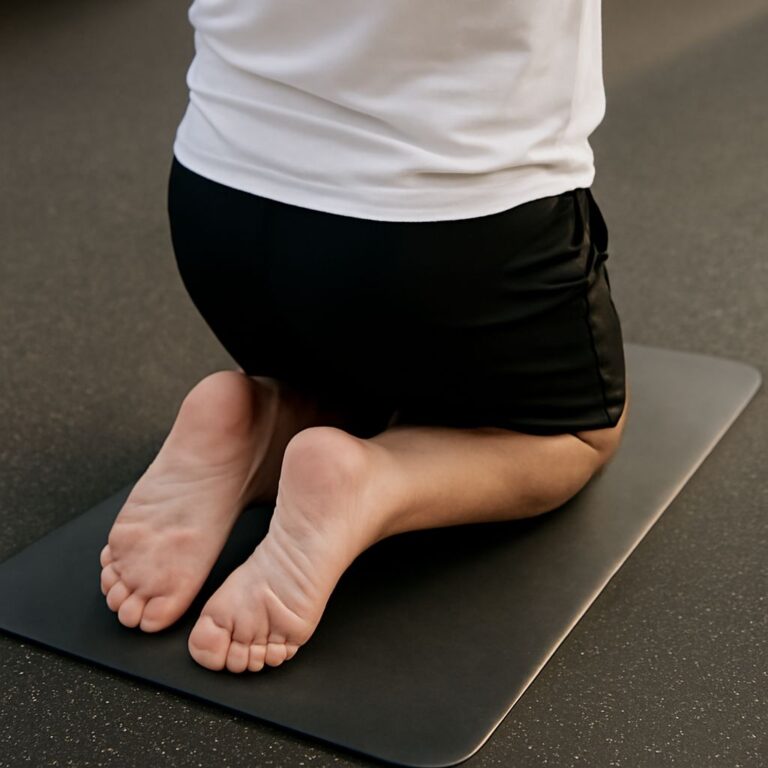
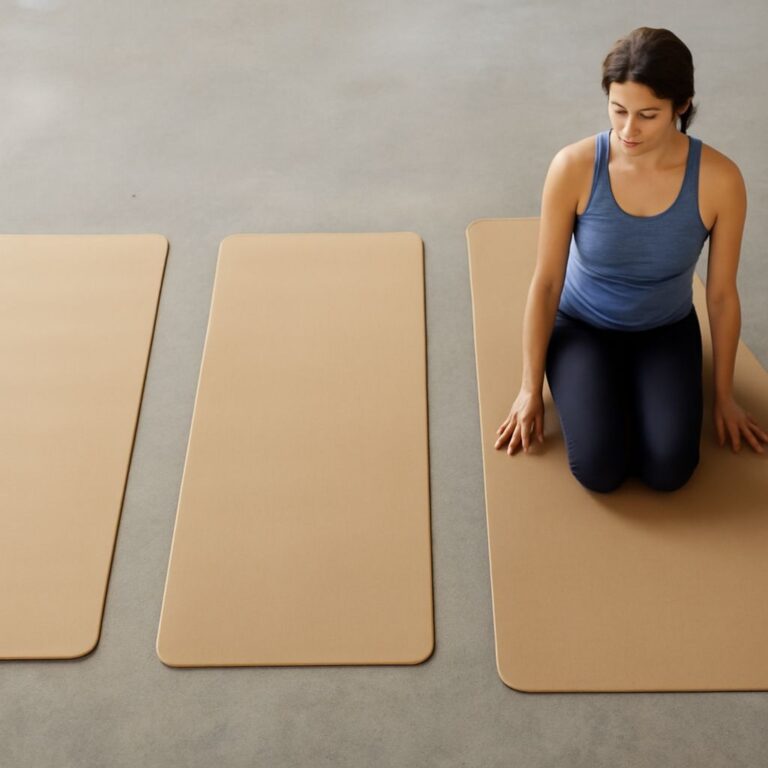
Once you’re comfortable with the basic stretches, you might want to try more advanced techniques. One such method involves a deeper stretch targeting both the forearm and wrist. Start by kneeling on the floor, placing your palms down with fingers pointing towards your knees. Slowly lean back, keeping palms flat, until you feel a stretch. This position intensifies the stretch, providing relief and increasing flexibility.
- Attempt this stretch with caution, especially if you are new to stretching or have existing wrist issues.
- Hold the position for 20-30 seconds, gradually increasing the duration as flexibility improves.
Another advanced technique includes using a resistance band to stretch. Secure the band under your feet while gripping each end. Gently extend your arms forward, allowing the band to pull back your wrists slightly. This exercise not only stretches but also strengthens the forearms, contributing to overall arm endurance.
Incorporating these stretches into your daily routine can be life-changing. Whether you are aiming to reduce discomfort or improve flexibility, these forearm stretches are essential. They provide a simple yet effective way to enhance your physical well-being and prevent future injuries. By understanding and practicing these techniques, you pave the way for a more flexible, tension-free life.