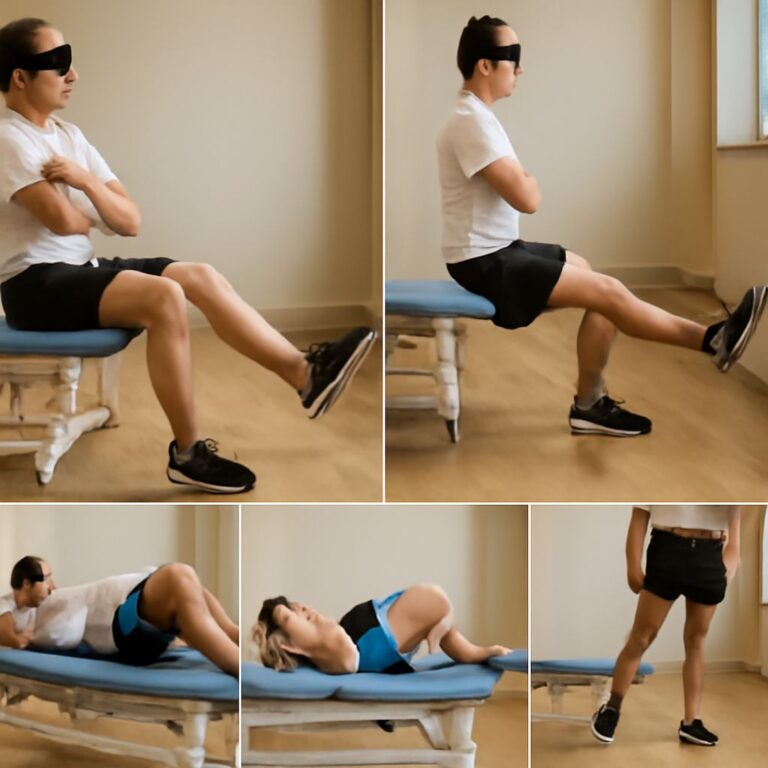
When it comes to strength training, many enthusiasts often skip the warm-up, aiming to dive straight into lifting heavy. However, neglecting the deadlift warmup can be a critical mistake. A proper warm up for deadlift not only primes your muscles but also significantly reduces the risk of injuries. Are you still wondering if you need to stretch before hitting the weights? Understanding the best warm up for deadlift and squats can completely transform your workout experience.
There’s a common misconception that deadlift stretches are only for those who are just starting out. In reality, even seasoned lifters can benefit immensely from integrating comprehensive warm-ups. These routines are not just about preventing injuries; they are also about enhancing your performance. Whether you’re a beginner or a pro, a well-structured warm-up will set the stage for a more effective and safer workout.
Why a Deadlift Warm Up is Important
Preventing Injuries
Injuries often occur when muscles are not adequately prepared for the stress of lifting. By incorporating a thorough warm-up, you allow your muscles to become more elastic and less prone to tears. A warm up that includes both dynamic movements and static deadlift stretches enables your body to handle heavier loads with a reduced risk of injury.
Enhancing Performance
Adequate warming up does more than just protect you from injuries; it also enhances your overall performance. By preparing your body with specific exercises, you increase blood flow to the muscles, improving strength and power output. The best warm up for deadlift ensures that your nervous system is fully engaged, leading to better coordination and control during your lifts.
Essential Warm Up for Deadlift
Dynamic Stretches
Dynamic stretches form the foundation of a good deadlift warmup. These movements are designed to increase your range of motion and activate the muscles involved in deadlifting. Incorporating leg swings, arm circles, and torso twists can significantly improve your workout efficacy.
Specific Exercises
Targeted exercises are crucial for engaging the muscles you’ll use during your lifts. This includes light deadlifts with minimal weight, focusing on form and technique. Incorporating these exercises into your warm-up routine ensures your muscles are ready for more strenuous activity.
Effective Deadlift Stretches
Hamstring Stretches
Hamstring flexibility is essential for a safe deadlift. Using exercises like standing toe touches or seated forward bends helps lengthen these muscles, preparing them for the exertion ahead. Incorporating hamstring stretches ensures your form remains correct, minimizing the risk of strain.
Hip Flexor Stretches
Hip flexors play a vital role in your deadlift motion. Effective stretches, such as lunges or butterfly stretches, engage these muscles, allowing for a fuller range of motion and reducing tension. These stretches improve hip mobility, crucial for maintaining the correct posture during lifts.
Warm Up for Squats: Complementing Deadlift Prep
Squat-specific Stretches
Squats and deadlifts often complement each other in a workout routine. Incorporating squat-specific stretches, like the deep squat hold, aids in flexibility and prepares your lower body comprehensively. This added flexibility is beneficial for both squats and deadlifts.
Full-body Warm Up
A full-body warm-up ensures all muscle groups are engaged. Activities such as jumping jacks or high knees can elevate heart rate and prepare the body holistically for the workout ahead. This preparation is key for both squats and deadlifts, promoting overall workout readiness.
Creating a Personalized Deadlift Warmup Routine
Assessing Your Needs
Every individual’s body responds differently to physical activity. It’s essential to tailor your warm-up routine to suit your specific needs. Consider your fitness level, flexibility, and any previous injuries when designing your deadlift warmup plan.
Adjusting for Progress
As you advance in your fitness journey, your warm-up routine should evolve too. Adjust the intensity and types of exercises to match your growing strength and flexibility. This continuous adjustment ensures your warm-up remains effective and aligned with your fitness goals.
Bottom line: A well-rounded deadlift warm up is critical for both injury prevention and performance enhancement. By incorporating dynamic stretches, specific exercises, and personalized routines, you set the stage for a safer and more efficient workout. Never underestimate the power of a good warm-up; it’s an investment in your fitness success.