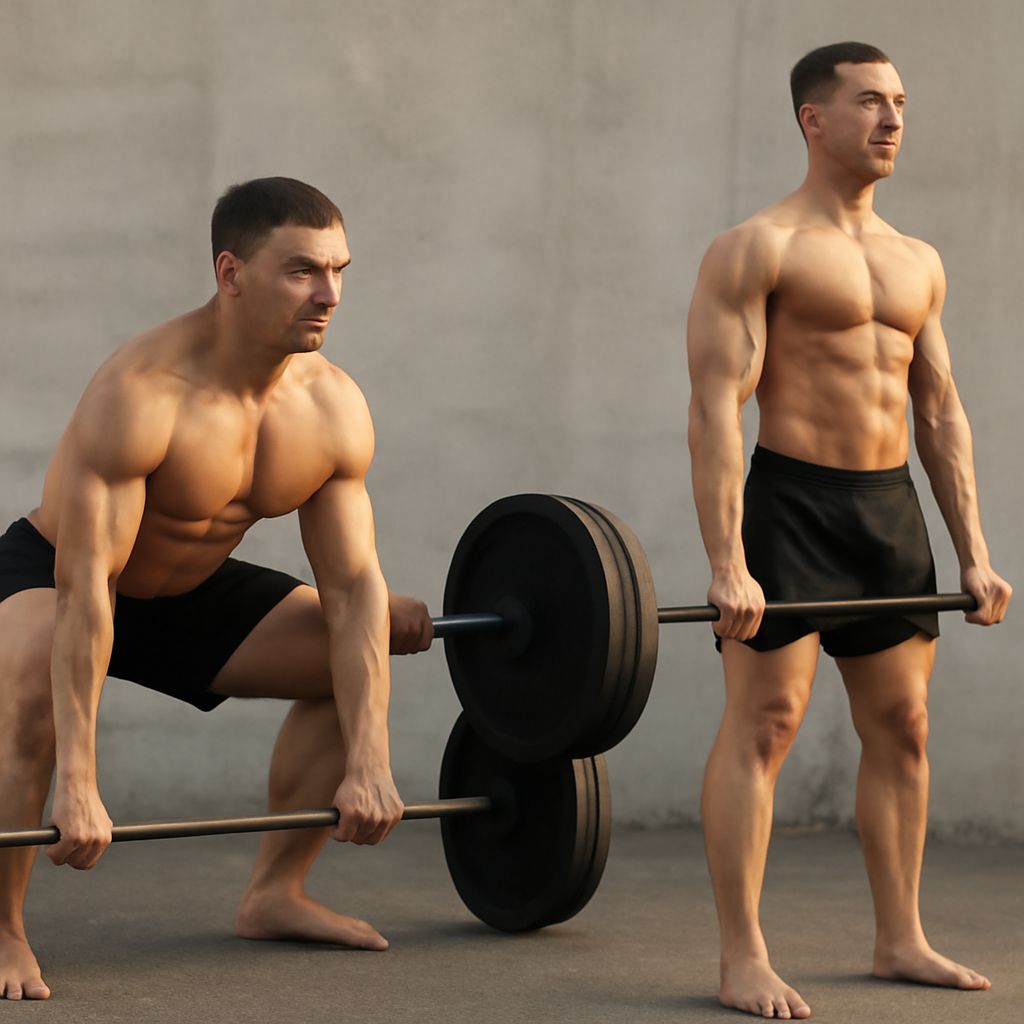
When it comes to lifting heavy, the debate often centers around sumo vs conventional deadlift. The sumo deadlift, with its unique stance, tends to confuse many fitness enthusiasts, leading to misconceptions about its efficiency and muscle engagement. Does it really work the same muscles as the regular deadlift? Or is it a mere variation with little added benefit?
In reality, the sumo deadlift offers distinct advantages and engages a different set of muscles compared to the traditional deadlift. Understanding these differences is vital to optimizing your workouts and making informed decisions about which style is best suited to your personal fitness goals. Let’s delve into the sumo deadlift muscles worked and explore the nuances between sumo deadlift vs deadlift.
Understanding Sumo Deadlift Muscles Worked
Primary muscles engaged
The sumo deadlift primarily targets the quadriceps due to the wider stance. This positioning alters the body’s mechanics, demanding more from the legs compared to the conventional deadlift. The glutes also play a significant role, as the hip extension required to lift the bar activates these muscles intensely. The adductors, located in the inner thigh, are uniquely engaged in the sumo stance, providing additional stability and power during the lift.
Secondary muscles involved
Secondary muscles also play an essential role. The lower back, or lumbar region, is supported by the latissimus dorsi and trapezius muscles, which help maintain proper posture. The core muscles, including the abdominals and obliques, stabilize the torso throughout the movement. Although these muscles are not the focus of the exercise, their activation is crucial for maintaining form and preventing injury.
Sumo vs Conventional Deadlift: Key Differences
Technique comparison
The technique of the sumo vs conventional deadlift varies significantly. In the sumo deadlift, a wider stance with toes pointed outwards and a closer grip on the bar is essential. The positioning reduces the range of motion, allowing lifters to lift heavier weights but requiring precise technique to avoid strain. Conversely, the conventional deadlift employs a narrower stance with a longer range of motion, emphasizing the posterior chain more intensely.
Benefits of each style
Each style has its unique advantages. The sumo deadlift is often preferred for those with longer torsos and shorter limbs, as the reduced range of motion can feel more comfortable and natural. It places less stress on the lower back, making it a safer option for those prone to back issues. On the other hand, the conventional deadlift is an excellent choice for developing overall back strength and improving core stability.
Sumo Deadlift vs Deadlift: Which Is Better for You?
Performance considerations
Choosing between sumo deadlift vs deadlift depends on individual performance goals. Athletes aiming for powerlifting competitions might favor the sumo style due to its efficiency in executing maximum lifts. However, those interested in building comprehensive back strength and functional fitness may find the conventional deadlift more beneficial.
Injury prevention
Injury prevention is a critical aspect of strength training. The sumo deadlift, with its reduced range of motion, minimizes stress on the lumbar spine, making it a preferable choice for those with pre-existing back conditions. Conversely, athletes who have developed adequate posterior strength and flexibility might find the conventional deadlift more suitable, provided they maintain correct form to prevent injury.
Conventional vs Sumo Deadlift: Choosing the Right Approach
Training goals
Your training goals will heavily influence your choice between the conventional vs sumo deadlift. If your aim is to lift the heaviest weight possible, the sumo deadlift might be your best bet. However, if you’re focused on improving athletic performance or functional strength, integrating both styles could offer a balanced approach.
Personal preferences
Personal preferences also play a significant role. Some lifters may simply feel more comfortable with one style over the other. This comfort can translate into better performance and consistency in training, leading to greater long-term progress. Experimenting with both styles may help you discover which feels more natural and effective for your body mechanics.
Sumo Deadlift vs Regular Deadlift: Final Thoughts
Summary of insights
The debate surrounding sumo deadlift vs regular deadlift is not about which is superior but rather which best meets your fitness needs. Both variations have their place in a well-rounded strength training regimen, offering unique benefits depending on your anatomical structure and training objectives.
Practical tips
To maximize your lifting potential, consider incorporating both sumo and conventional deadlifts into your routine. Focus on maintaining proper form and gradually increasing weight to prevent injuries. Listen to your body, adjust your technique as needed, and remain open to experimenting with different variations to discover what works best for you.