Deadlifting is a quintessential strength training exercise, often hailed as the king of lifts. Yet, many lifters believe that experiencing lower back pain is an inevitable consequence of deadlifting. This is a myth. While deadlift back pain can occur, it is not a necessary part of the lifting journey. Understanding proper techniques and precautions can prevent the onset of discomfort. Let’s explore how you can effectively manage and prevent deadlift back injury to ensure a safer lifting experience.
It’s important to debunk the misconception that deadlifting is inherently dangerous. With adequate knowledge and a focus on technique, you can minimize the risk of injury. The aim is to help you enjoy the full benefits of deadlifts without the looming fear of pain. Let’s examine the common reasons for lower back pain during deadlifts and how you can avoid them.
Understanding Lower Back Pain in Deadlifts
Causes of Lower Back Pain
Lower back pain during deadlifting is often the result of improper form or overloading the barbell beyond one’s capability. Biomechanically, the deadlift is a compound movement that heavily engages the posterior chain, including muscles in the lower back. When the load is too heavy or the technique is off, these muscles can become strained.
Another factor contributing to back pain is the lack of flexibility and mobility in the hips and hamstrings. This stiffness can shift the stress onto the lower back, leading to discomfort. Proper warm-up routines and flexibility exercises are crucial in mitigating such risks.
Common Deadlift Mistakes
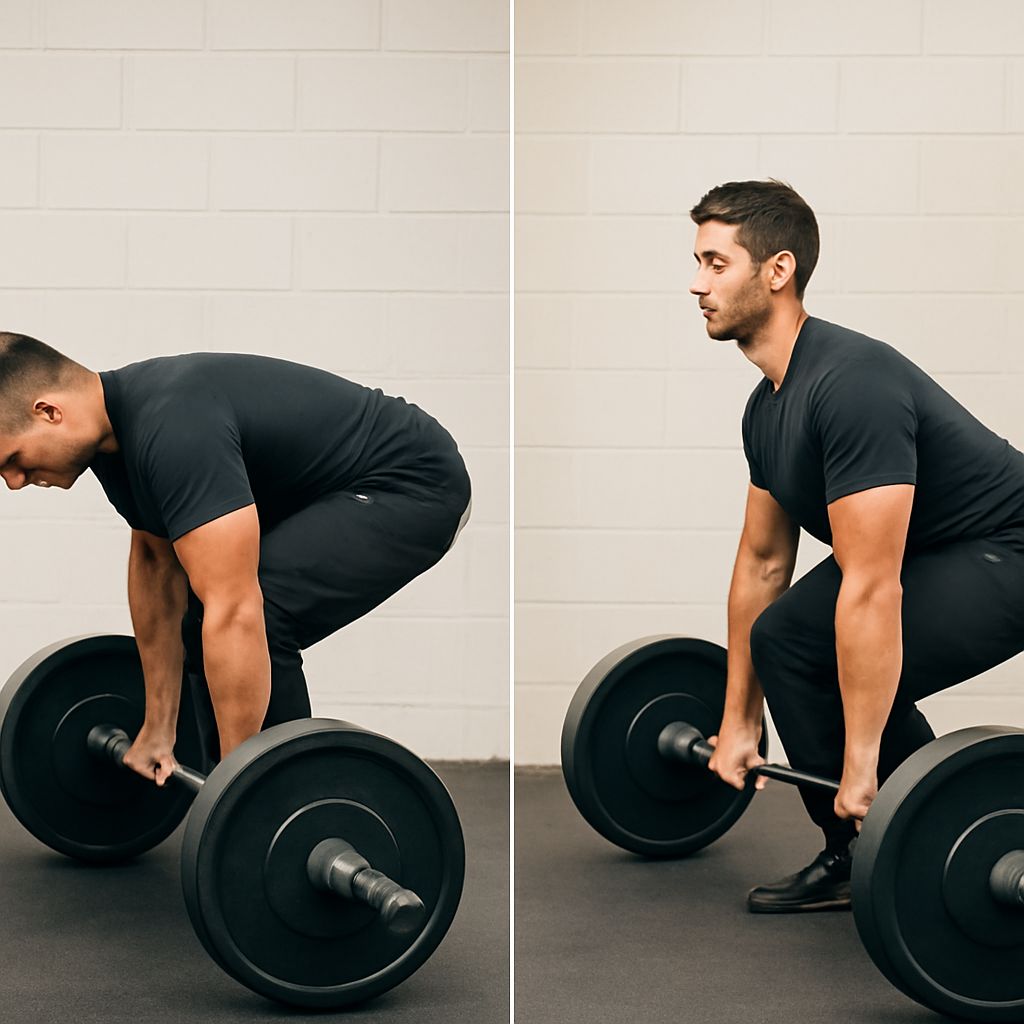
Among the frequent errors lifters make is rounding the back, which places undue stress on the spine. Similarly, improper bracing of the core can lead to instability and potential injury. Not engaging the core muscles adequately while lifting increases the chances of experiencing deadlift back pain.
Furthermore, using incorrect grip techniques can alter the weight distribution, affecting your back. It’s essential to maintain a neutral spine throughout the lift to prevent unnecessary strain on the lower back. These common mistakes can be rectified through focused practice and self-awareness.
Preventing Deadlift Back Injuries
Proper Deadlift Form
To avoid injuries, mastering the fundamentals of deadlift form is non-negotiable. Start by positioning your feet shoulder-width apart, with the barbell close to your shins. This alignment ensures that the barbell’s path is straight, minimizing the risk of misalignment injuries.
Consciously engaging your core throughout the deadlift is vital. This engagement stabilizes the spine, reducing the risk of injury. Additionally, always lift with a controlled motion, maintaining a neutral spine alignment to prevent deadlift back injury.
Strengthening Supporting Muscles
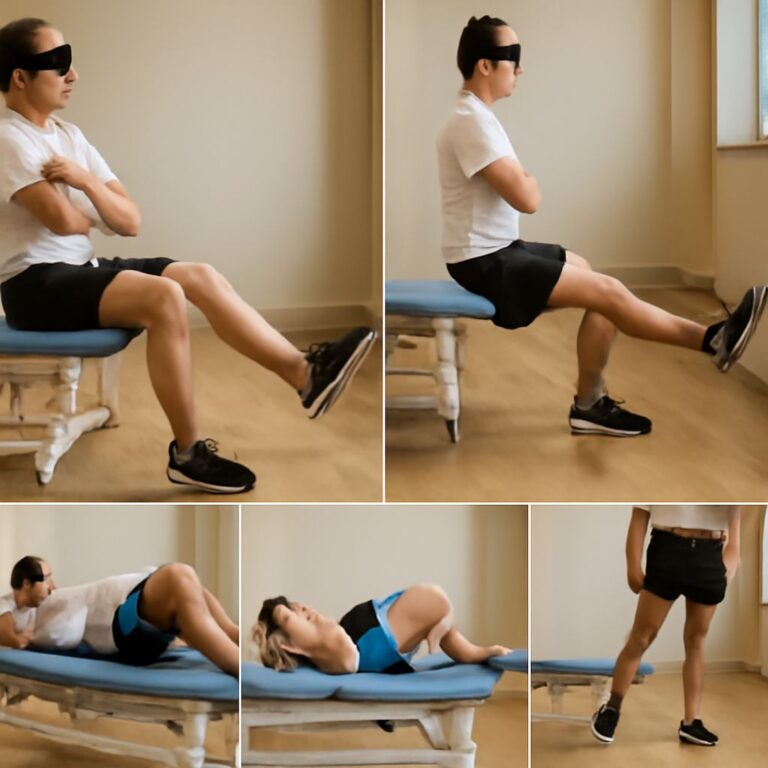
Strength training routines that focus on auxiliary muscles can significantly reduce the risk of lower back pain. Exercises that fortify the glutes, hamstrings, and the core are particularly beneficial. Incorporating exercises like Romanian deadlifts, planks, and hip bridges in your regime can enhance the strength of these supporting muscle groups.
Furthermore, a balanced training approach that includes flexibility and mobility work will ensure that your body is well-prepared for the demands of a deadlift. Regularly performing mobility drills can help maintain the range of motion necessary for a pain-free lifting experience.
By adhering to these guidelines, you can substantially lower the risk of experiencing deadlift-related back pain. Integrating good form, adequate strength training, and flexibility practices will not only improve your deadlifting performance but also ensure a healthier, injury-free journey in your strength training endeavors.