It’s a common myth that experiencing soreness in the lower back after performing deadlifts means you’re inevitably doing something wrong. However, the reality is more nuanced. While lower back soreness after deadlift workouts can certainly suggest issues with technique or posture, it isn’t always a sign of a significant problem. Understanding why back pain after deadlift exercises occurs is crucial to addressing the discomfort effectively and preventing future occurrences.
Many lifters worry that lower back pain from deadlift sessions signals a serious injury, but often, it can be a normal part of the adaptation process when muscles are strengthening. Knowing the differences between typical discomfort and problematic pain is key to maintaining a healthy workout routine and ensuring that your form is not putting unnecessary strain on your back.
Understanding Lower Back Pain After Deadlift
Common Causes
Several factors contribute to the development of lower back pain, commonly arising from deadlifting. One frequent cause is improper lifting form, which puts excessive stress on the lumbar region. Not maintaining a neutral spine can lead to unnecessary strain and discomfort. Additionally, using weights that are too heavy for your current strength level can exacerbate the issue, leading to muscle fatigue and potential injury.
Symptoms to Watch
When experiencing back pain after deadlift exercises, it is important to differentiate between normal post-workout soreness and signs of injury. Typical symptoms include dull aching or stiffness that appears the day after exercising. In contrast, sharp or persistent pain may indicate a more serious condition, such as a muscle tear or herniated disc. Monitoring these symptoms helps determine the appropriate response and whether professional evaluation is needed.
Preventing Lower Back Soreness After Deadlift
Proper Technique
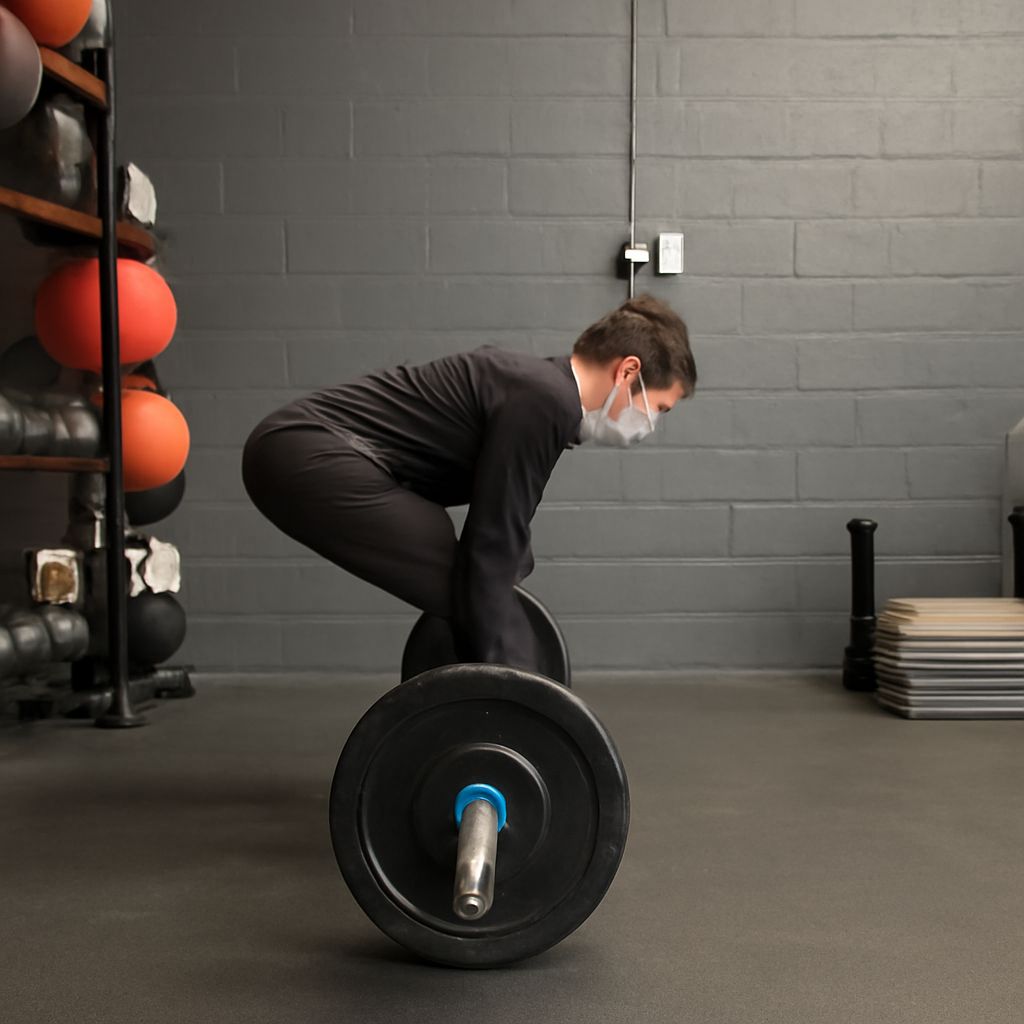
Avoiding lower back issues starts with perfecting your deadlift form. Ensure that you hinge at the hips rather than the waist and keep your back straight throughout the movement. Engaging the core muscles during the lift provides additional support to the back, reducing the risk of strain. Practicing with lighter weights while focusing on form can help cement these habits.
Warm-up Strategies
Effective warm-up routines are essential for reducing the likelihood of soreness. Incorporate dynamic stretches that target the back and hamstrings to prepare the muscles for lifting. Additionally, exercises such as light squats or lunges can increase blood flow to the lower body, enhancing flexibility and readiness for more intense activity. Gradually increasing the intensity of your workouts allows your body to adapt and lowers the chances of injury.
Managing Lower Back Pain From Deadlift
Stretching and Recovery
If you experience discomfort post-deadlift, implementing a structured recovery plan is crucial. Gentle stretching can help alleviate tightness and promote blood circulation for faster healing. Consider incorporating yoga poses, like the child’s pose or cat-cow stretch, to relieve pressure on the lumbar region. Additionally, ensuring adequate rest and hydration supports the body’s natural recovery processes.
Consulting a Professional
When back pain persists or worsens, seeking advice from a healthcare professional is wise. A physical therapist can assess your form and provide personalized exercises to reinforce your back muscles. They can also recommend alternative workouts that maintain your fitness goals without exacerbating pain. Addressing these issues early with professional guidance can prevent more severe complications in the future.