When it comes to deadlifting, many lifters find themselves asking, “How much should I be able to deadlift?” The answer isn’t as straightforward as it seems. There’s a common misconception that deadlifting is only about lifting the maximum weight possible. However, understanding deadlift standards requires a nuanced approach that considers various factors such as experience level, gender, and goals. So, how much should you deadlift to meet your fitness objectives?
While some people might think that the heavier the weight, the better the performance, this isn’t always the case. Deadlift standards are not one-size-fits-all. They are influenced by various elements that can dictate how much you should be able to lift at different stages of your lifting journey. Let’s dive deeper into the criteria that define these standards and help you figure out an appropriate weight to aim for.
Understanding Deadlift Standards
Factors Influencing Deadlift Standards
Several factors play a role in determining how much you should be deadlifting. Bodyweight and overall strength are major considerations in assessing deadlift standards. Typically, heavier individuals might naturally lift more, leading to varying benchmarks across weight classes. Additionally, your lifting history and training frequency can significantly impact your performance.
Another aspect to consider is muscle composition, as individuals with higher lean muscle mass may find it easier to progress with deadlifting. Moreover, different training programs emphasize distinct aspects of strength, thereby influencing the standard weights that lifters might achieve over time.
Gender and Age Considerations
Gender and age are also crucial when discussing how much you should deadlift. On average, males tend to have higher deadlift standards due to greater muscle mass and testosterone levels. However, females can achieve impressive lifts with the right training regimens. Similarly, age can influence strength potential. Younger lifters might have faster recovery rates, while older individuals should focus more on technique and injury prevention.
How Much Should I Be Able to Deadlift?
Beginner Deadlift Expectations
For those new to strength training, the question of “How much should I be able to deadlift?” is common. Beginners are often advised to start with lighter weights to perfect their form and gradually increase the load. The initial focus should be on mastering the movement, with novice lifters typically deadlifting around 50-100% of their body weight within the first few months.
It’s crucial to avoid comparing your starting weights to others, as progress in deadlifting is highly individual. Initial benchmarks should encourage safe and steady progression.
Advanced Deadlift Goals
Advanced lifters often set ambitious goals to push their limits. At this stage, how much you should deadlift depends on your past achievements and ongoing training efforts. Advanced lifters might aim for 2-3 times their bodyweight or more, depending on their experience and competitive aspirations.
In pursuing these targets, advanced lifters should prioritize maintaining proper form to prevent injuries and ensure longevity in their lifting journeys.
How Much Should You Be Able to Deadlift?
Setting Personal Deadlift Goals
Establishing personal deadlift goals involves assessing your own strengths, limitations, and aspirations. When considering how much you should deadlift, it’s important to set realistic goals that reflect both your current ability and desired outcomes. Utilizing a training log can help track progress, providing insights into your advancement and areas needing improvement.
Consulting with a professional trainer can also aid in tailoring a program specific to your needs, ensuring that your goals align with your capacity to safely increase in weight lifting.
Avoiding Common Mistakes
When determining how much you should be deadlifting, it’s vital to steer clear of common mistakes such as overtraining, improper warm-ups, and neglecting rest days. Overloading too quickly can lead to injuries, whereas a balanced approach fosters sustainable growth.
Maintaining a focus on gradual progression and listening to your body will ensure that your lifting remains both safe and effective.
How Much Should I Deadlift Safely?
Injury Prevention Tips
Preventing injuries should be a top priority for anyone engaged in deadlifting. To safeguard your health, incorporate exercises that strengthen stabilizing muscles and enhance flexibility. Regularly practicing mobility drills can help you maintain an optimal range of motion, thus reducing the risk of injury.
Proper Deadlift Form
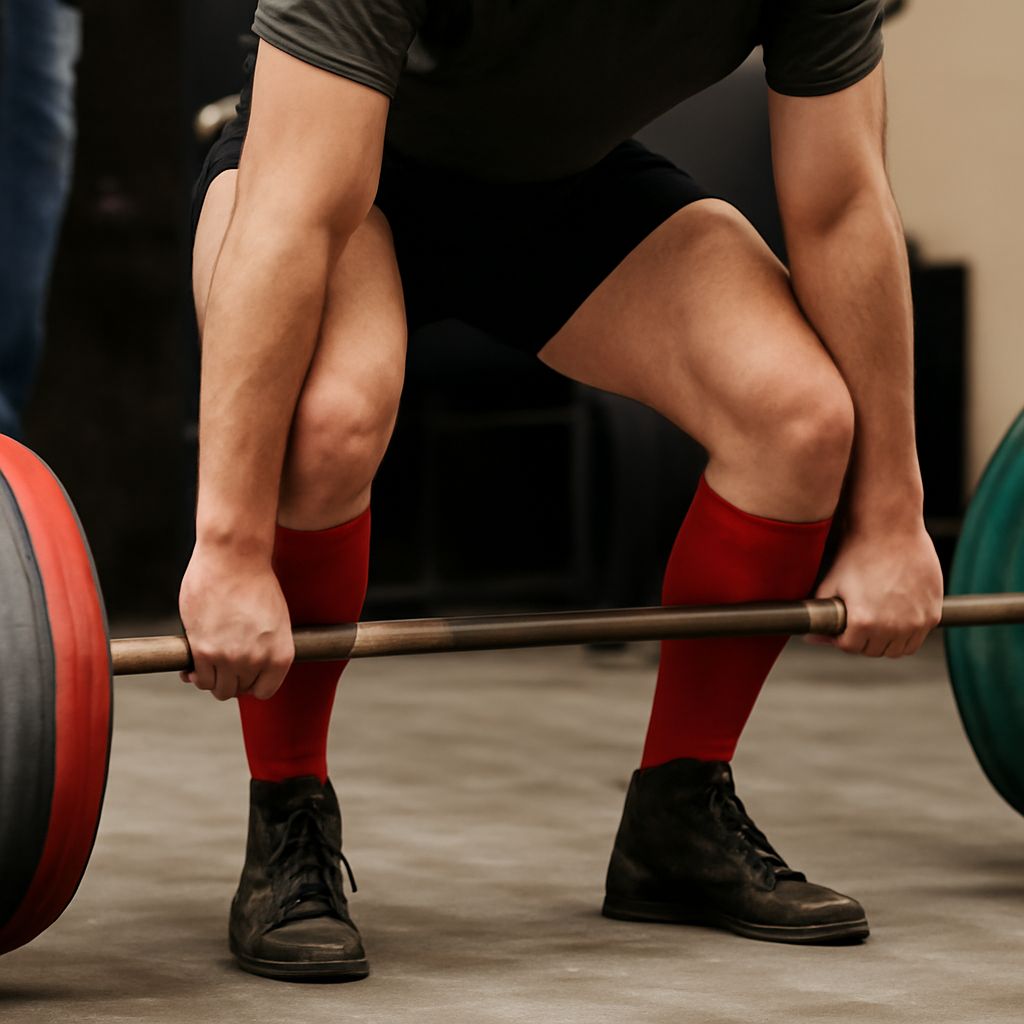
Mastering the proper form is essential for safe deadlifting. Concentrate on maintaining a neutral spine and engaging your core throughout the lift. Keeping the barbell close to your shins and using your legs for strength will promote efficient lifting. Regularly reviewing and refining your technique ensures long-term success and safety.
Key takeaways: Determining how much you should deadlift involves understanding individual factors such as weight, gender, and experience level. Setting realistic goals and focusing on proper technique are vital. Prioritize safety and gradual progression for effective strength development.