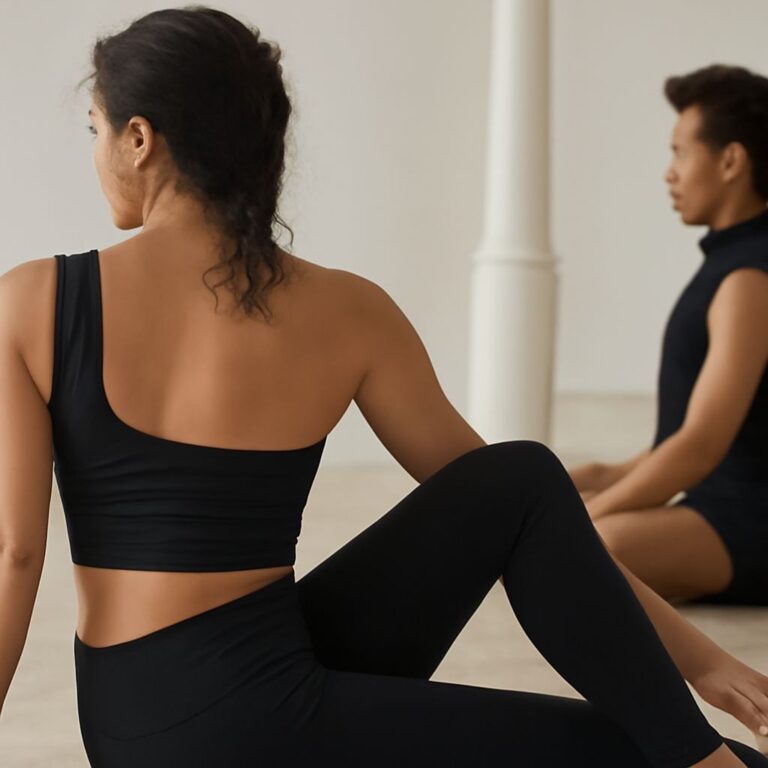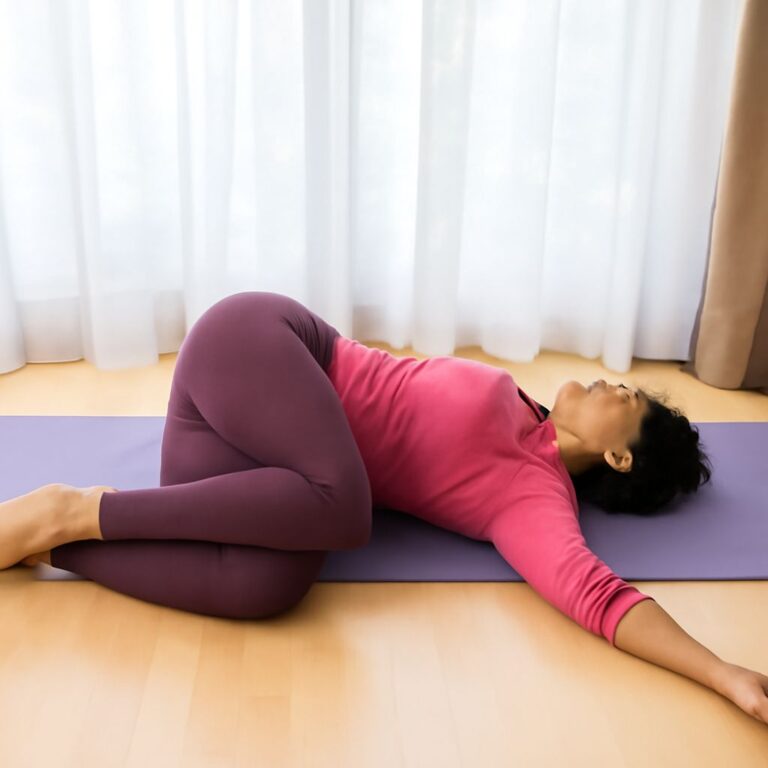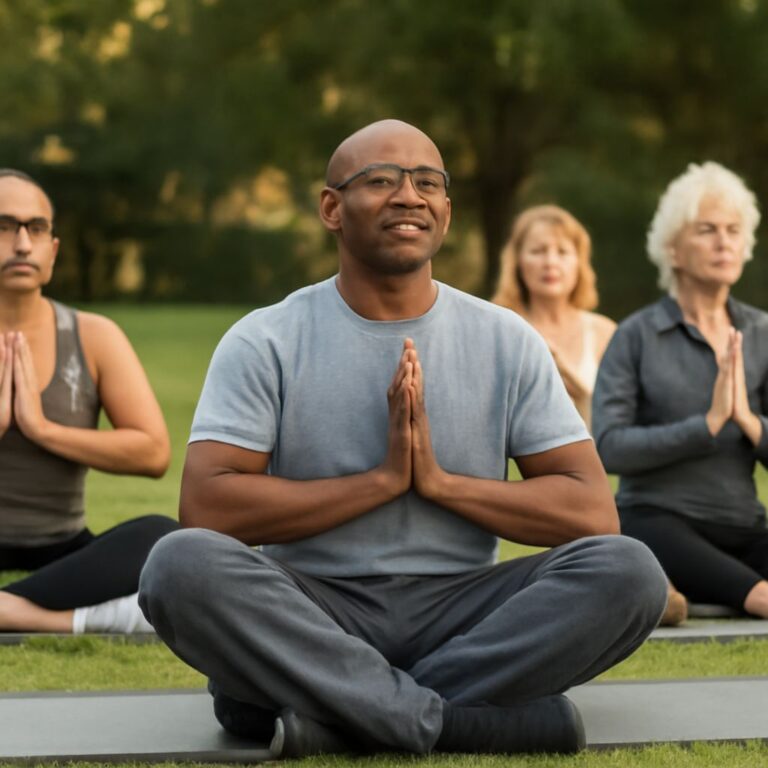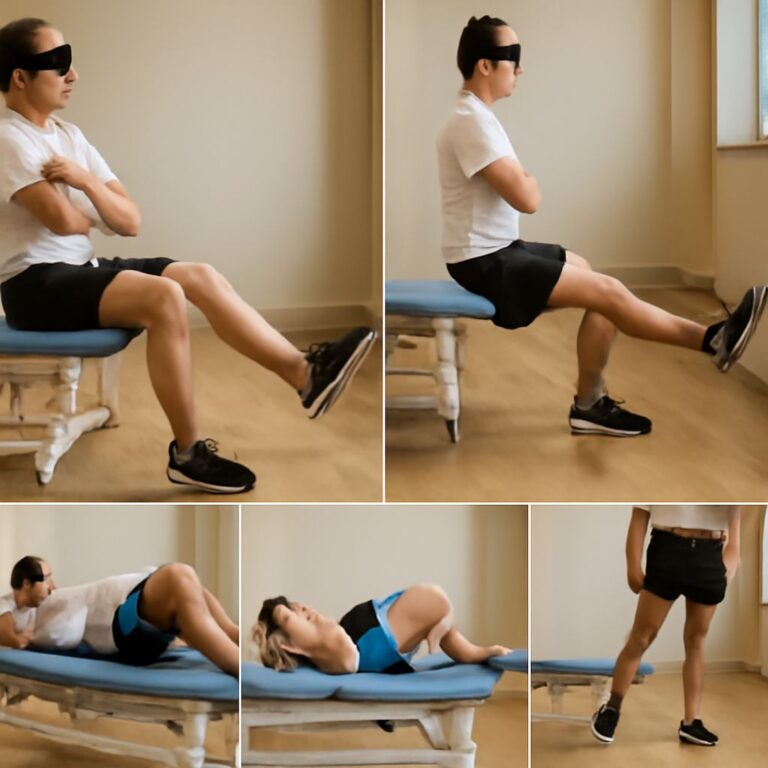
Family yoga is sometimes dismissed as too chaotic or insufficiently rigorous to count as real practice. The opposite is true. Family yoga sessions develop patience, adaptability, communication, and playfulness — qualities that individual adult practice rarely challenges in the same way. Kids yoga classes taught with genuine pedagogical skill develop body awareness and emotional regulation that benefit children across every domain of life.
Yoga bella — the aesthetic of beautiful, harmonious yoga practice — gets complicated by family settings where one child is refusing to do tree pose and another is doing cartwheels off the mat. Yoga ornaments and props that make practice visually appealing help draw children into engagement. Kindness yoga explicitly names compassion and generosity as the goal, which gives family practice a values framework that resonates with parents and children alike.
Structuring a Family Yoga Session
The key to successful family yoga is brevity and variety. Children’s attention spans rarely extend beyond 30 to 45 minutes for any structured activity. A well-designed family session moves through: a playful warm-up (5 minutes), active standing poses and animal shapes (10 to 15 minutes), partner poses (10 minutes), and a short guided relaxation (5 minutes).
Partner poses are the heart of family yoga. Tree partner pose — two people standing side by side, pressing the soles of their inner feet together — builds trust and balance simultaneously. Boat pose for two — sitting facing each other with knees bent, pressing feet sole-to-sole and leaning back — creates immediate connection and shared effort.
Incorporating Kindness and Values into Practice
Kindness yoga explicitly names values within the movement. After partner tree pose, the teacher asks: “What did you notice when your partner helped you balance?” This simple question makes the connection between physical support and emotional support tangible for children. Values-based yoga language builds character vocabulary in a way that purely physical instruction cannot.
Age-Appropriate Modifications for Mixed-Age Groups
- Toddlers (2-4): Focus on animal sounds, floor-based shapes, and brief balance games
- Elementary (5-10): Add partner work, balance challenges, and simple breathing exercises
- Tweens (11-14): Introduce more structured sequences, longer holds, and brief meditation
- Adults: Modify depth and complexity to meet children where they are — follow their lead
Family yoga sessions attended consistently — even just once per week for 20 minutes at home — create lasting memories and develop physical and emotional skills simultaneously. The imperfection is the practice: a child who refuses to participate for three sessions and then joins enthusiastically on the fourth is learning self-determination and readiness that are worth more than a perfect execution of warrior pose.