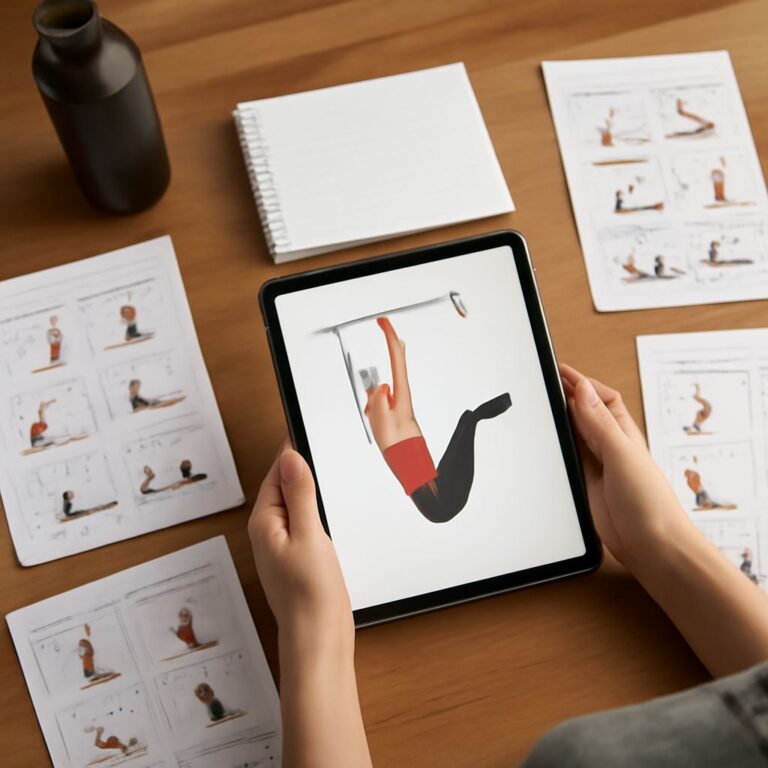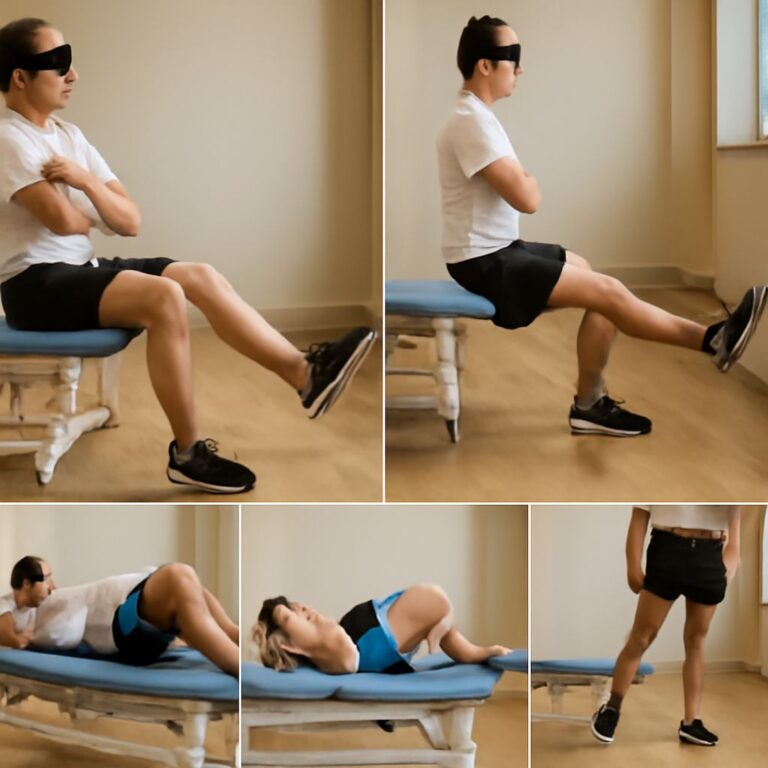
Yoga for eyes represents one of the more evidence-thin corners of the practice — and one where honest assessment matters. The vision yoga tradition does include exercises that reduce eye strain and improve focusing flexibility, but claims of reversing refractive error are not supported by current research. Does yoga burn fat? The answer depends entirely on the style and intensity — vigorous vinyasa can contribute to caloric deficit; gentle yin cannot meaningfully substitute for cardiovascular exercise.
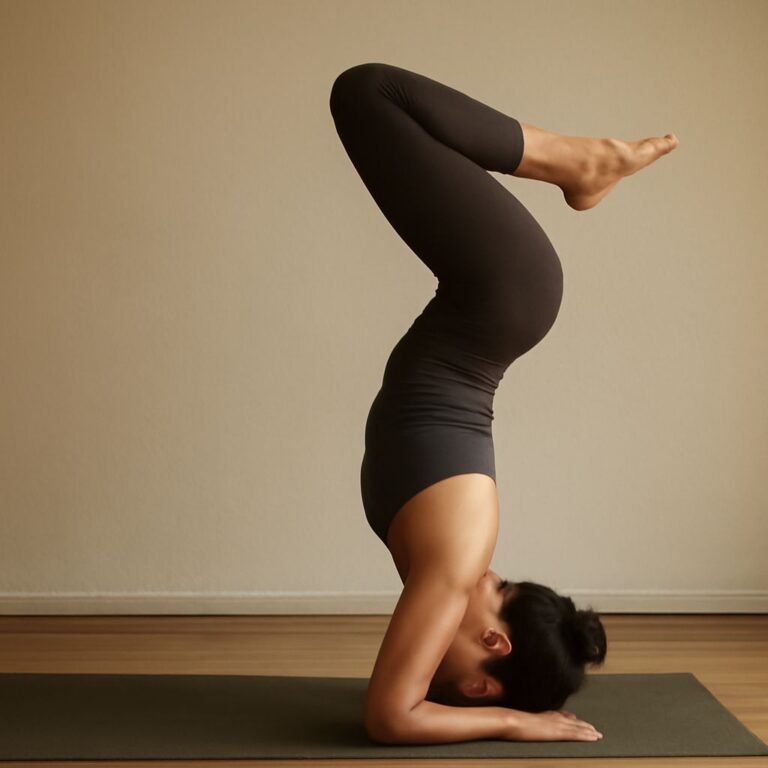
Yoga poses for energy are a more reliably substantiated category. Backbends, inversions, and dynamic standing sequences measurably affect arousal state through nervous system activation. Yoga vs cardio is not a binary choice — each serves different adaptations, and understanding those differences helps practitioners choose the right tool for their goals.
Eye Yoga Exercises: What Actually Works
The eyes are moved by six extraocular muscles that, like all muscles, can become fatigued and tight from sustained use. Screen work keeps the eyes fixed at one distance for hours, weakening the accommodating muscles that adjust focal length. Vision yoga exercises that cycle through near, mid, and far focus points genuinely reduce eye fatigue and may improve accommodative flexibility over time.
The most evidence-supported techniques are the 20-20-20 rule (every 20 minutes, look at something 20 feet away for 20 seconds), palming (covering closed eyes with warm palms for 2 to 3 minutes), and eye tracking (following a finger slowly through all directions of gaze). These reduce cumulative strain from sustained near-focus work.
Yoga Poses That Specifically Support Eye Health
- Shoulder stand and legs-up-the-wall: Increase blood flow to the head and relieve vascular tension behind the eyes
- Fish pose: Stretches the throat and increases cervical circulation, which impacts optic nerve supply
- Child’s pose: Reduces intraocular pressure through forward folding and relaxed facial muscles
- Savasana with eye pillow: Complete ocular rest; the gentle weight on closed eyelids activates the oculocardiac reflex, slowing heart rate
Yoga vs Cardio: Using Both for Complete Fitness
The yoga vs cardio debate misses the point. Yoga develops mobility, proprioception, stress resilience, and body awareness — none of which are meaningfully addressed by running or cycling alone. Cardio develops cardiovascular efficiency, mitochondrial density, and metabolic rate in ways that yoga cannot fully replicate. The answer for most practitioners is a thoughtfully designed combination.
Three to four yoga sessions per week paired with two to three moderate-intensity cardio sessions addresses most fitness goals comprehensively. The yoga poses for energy — wheel, camel, warrior sequences — serve as active recovery between cardio days while maintaining the movement quality that injuries erase. Pro tips recap: Use yoga for joint health and stress management, cardio for metabolic fitness, and eye yoga exercises daily if you have a screen-heavy job. Specialization belongs to elite athletes; most people benefit from breadth.