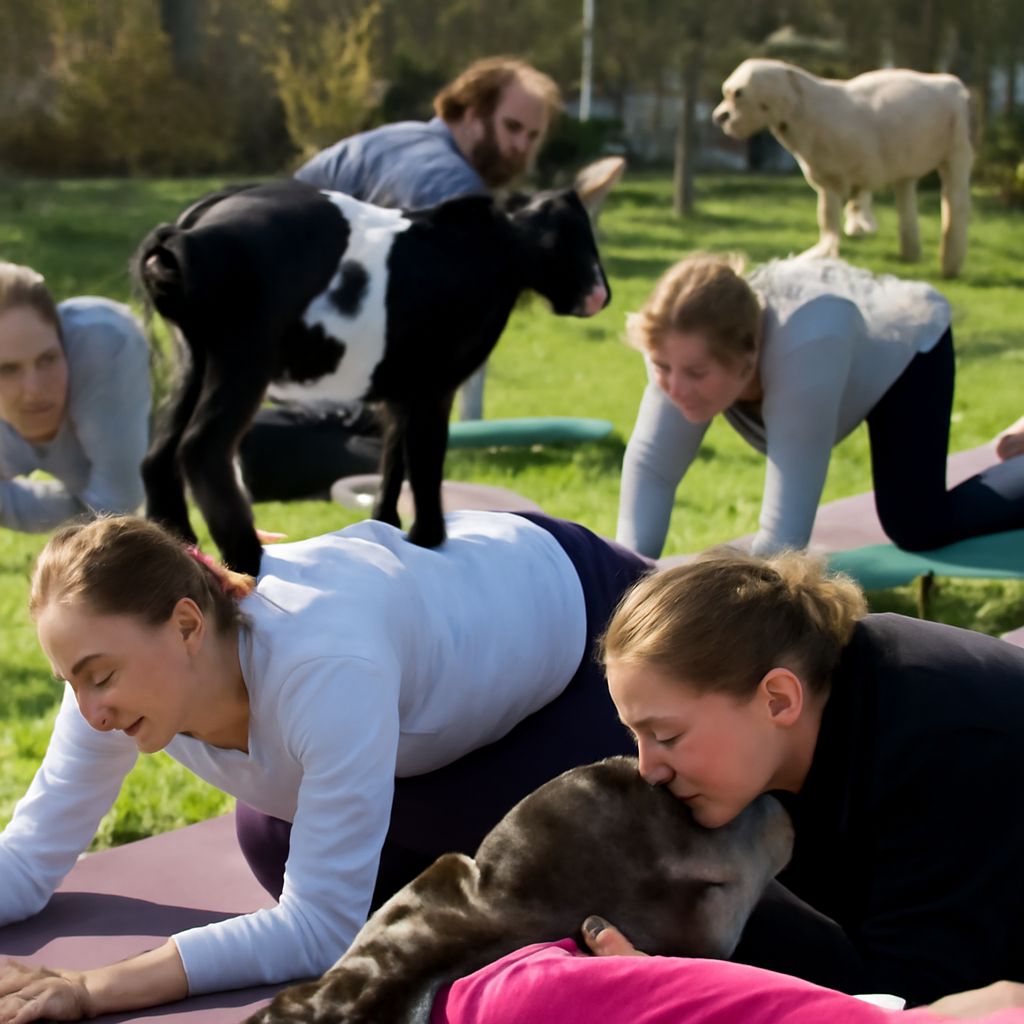
Baby goat yoga has been dismissed by many purists as a novelty that dilutes the practice. The reality is that animal-assisted movement has measurable therapeutic benefits — stress reduction, increased oxytocin release, and reduced cortisol — that are entirely consistent with yoga’s goals. Restorative yoga poses with props like bolsters and blankets work through similar parasympathetic activation. Yoga goats are props in the best possible sense.
Yoga with cats follows the same logic — the presence of animals during practice reduces anxiety and creates an atmosphere of playfulness that benefits nervous beginners. Yoga with baby goats on farms has expanded beyond quirky social media content into legitimate therapeutic programs used in senior care and mental health settings. The animals are not the point; they are catalysts for a more relaxed state of practice.
How Animal-Assisted Yoga Works Therapeutically
Research on animal-assisted therapy consistently shows that interactions with animals lower heart rate, reduce blood pressure, and trigger oxytocin release within minutes. When combined with movement and breath — the core of any yoga practice — these effects are amplified. Practitioners who are too anxious or self-conscious in conventional studio settings often find animal-assisted classes dramatically more accessible.
The unpredictability of animals — a goat that climbs onto a practitioner’s back during child’s pose, a cat that settles in a lap during seated meditation — creates an organic mindfulness opportunity. Practitioners must stay present with what is actually happening rather than focusing on how their pose looks or comparing themselves to others. This is, paradoxically, excellent yoga teaching.
Restorative Poses That Pair Well with Animal-Assisted Classes
- Supported child’s pose: A bolster under the chest; goats or cats naturally gravitate to warm, still bodies
- Reclined butterfly (supta baddha konasana): Bolsters under the knees; highly accessible for all fitness levels
- Legs up the wall (viparita karani): Simple inversion; deeply calming without the complexity of a full headstand
- Savasana with weighted blanket: Maximum relaxation; the ultimate restorative closing pose
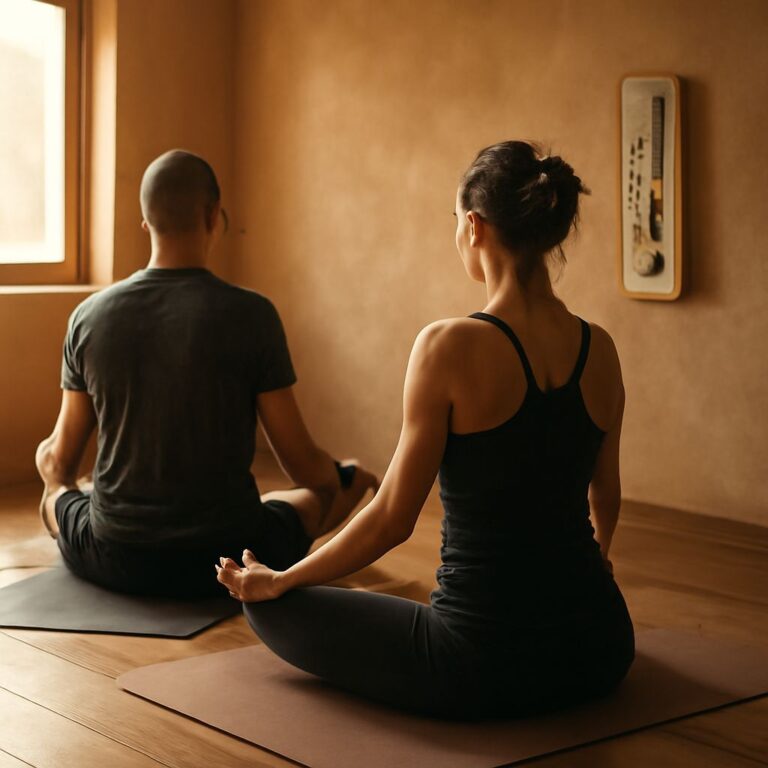
Whether you practice with goats, cats, or in a quiet room alone, the principles of restorative yoga remain constant: support the body completely, release the effort of holding, and breathe slowly. The animals just make the letting-go part easier for people who struggle with stillness in conventional settings.