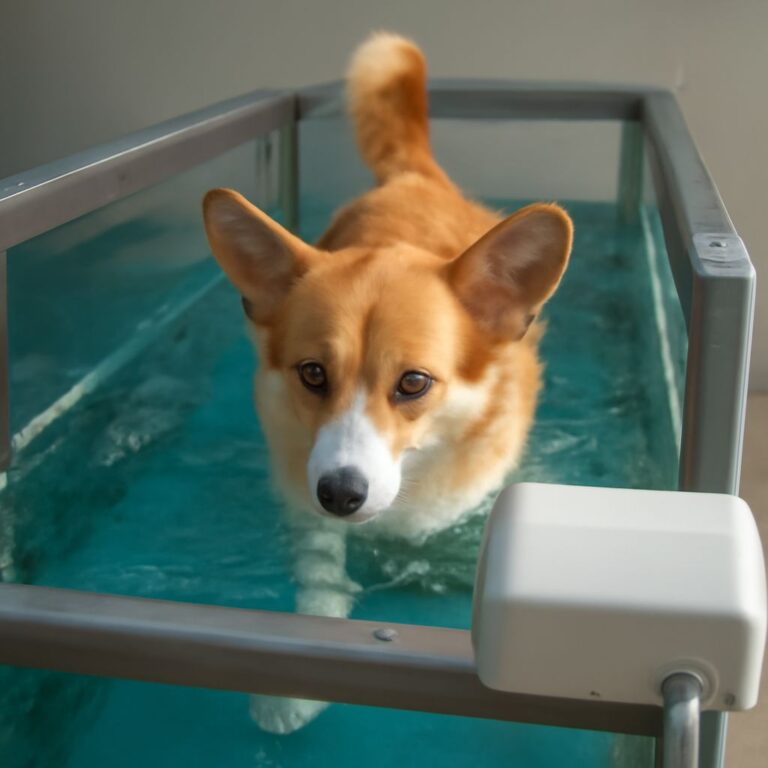
The zero gravity treadmill is often dismissed as a niche rehabilitation tool with no relevance to mainstream fitness. That view is outdated. Originally developed for NASA astronaut conditioning, this technology has migrated into elite athletic training programs and progressive physical therapy clinics. A heavy duty treadmill with body-weight support capability does more than most standard machines in terms of rehabilitation versatility.
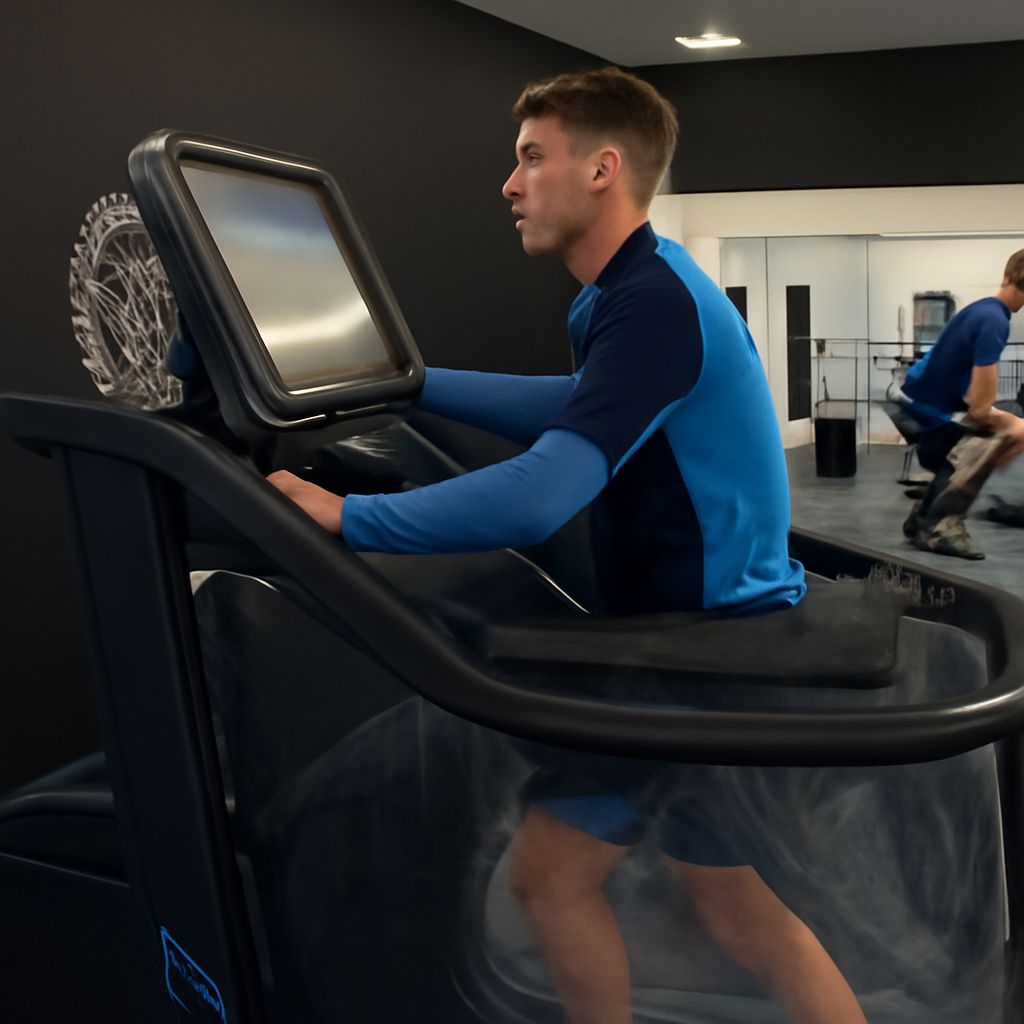
The gravity treadmill works by enclosing the lower body in an inflated air chamber that partially counteracts body weight. Anti-gravity treadmill technology from brands like AlterG allows athletes to run at 20 to 100 percent of their body weight in one percent increments. Anti gravity yoga takes a completely different approach — using aerial hammocks to offload body weight — but both methods share the principle of reducing gravitational load to enable movement that would otherwise be impossible.
Who Benefits Most from Anti-Gravity Treadmill Training
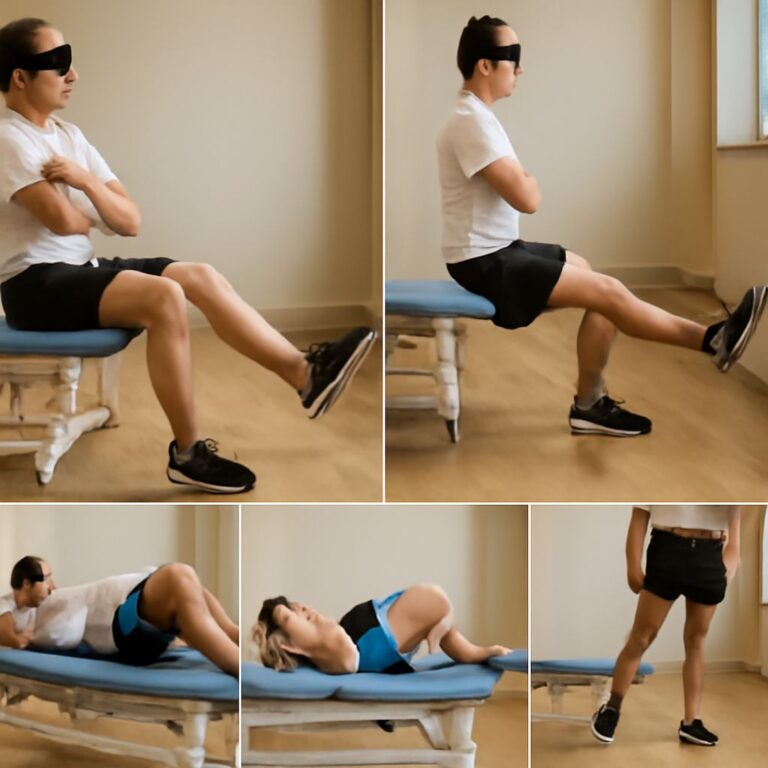
Post-surgical recovery is the most common clinical application. Runners recovering from stress fractures, ACL reconstruction, and hip replacements can maintain cardiovascular fitness and running mechanics weeks or months before full weight-bearing is safe. Physical therapists use the machine to rebuild neuromuscular patterns while protecting healing tissue.
Elite athletes also use anti-gravity treadmill training for speed development. Running at 80 percent body weight allows higher stride frequencies and greater leg turnover rates than full gravity permits. This trains the nervous system for faster movement patterns that carry over when the athlete returns to full-weight running.
Anti-Gravity Yoga: The Aerial Approach
Anti gravity yoga — also called aerial yoga — uses a fabric hammock hung from ceiling mounts to support the body through inverted poses, backbends, and spinal decompression sequences. It is not directly equivalent to treadmill-based unloading, but it serves some of the same therapeutic purposes: it allows individuals with joint pain or limited mobility to experience range of motion that gravity prevents on the ground.
Practical Considerations for Access and Cost
- AlterG anti-gravity treadmills cost $35,000 to $85,000 for clinical models — most users access them through physical therapy clinics or sports performance centers
- Session pricing at rehab clinics typically ranges from $40 to $120 per hour
- Some fitness studios now offer anti-gravity treadmill access as part of premium membership tiers
- Aerial yoga equipment is substantially less expensive and can be installed at home with proper ceiling anchoring
Both gravity-manipulation modalities offer genuine physiological benefits. The anti-gravity treadmill excels for running-specific rehabilitation; anti gravity yoga excels for spinal health and flexibility. Where access allows, integrating both into a comprehensive training or recovery program creates a highly versatile toolkit for managing load and maintaining fitness across the training cycle.