There is a misconception that the barbell front raise is simply a vanity exercise for the front deltoids. The reality is more layered. This movement builds anterior deltoid strength, shoulder girdle stability, and postural control simultaneously. A women’s barbell — lighter, narrower — makes this movement accessible to lifters of all sizes. And understanding barbell types helps you choose the right tool for the job.
Barbell strength built through front raises transfers to pressing movements, Olympic lifts, and overhead stability in functional activities. An incline barbell front raise, performed on a slight incline, extends the range of motion and increases time under tension in the stretched position. Used intelligently, this exercise earns its place in any serious upper-body program.
Proper Technique for the Standard Barbell Front Raise
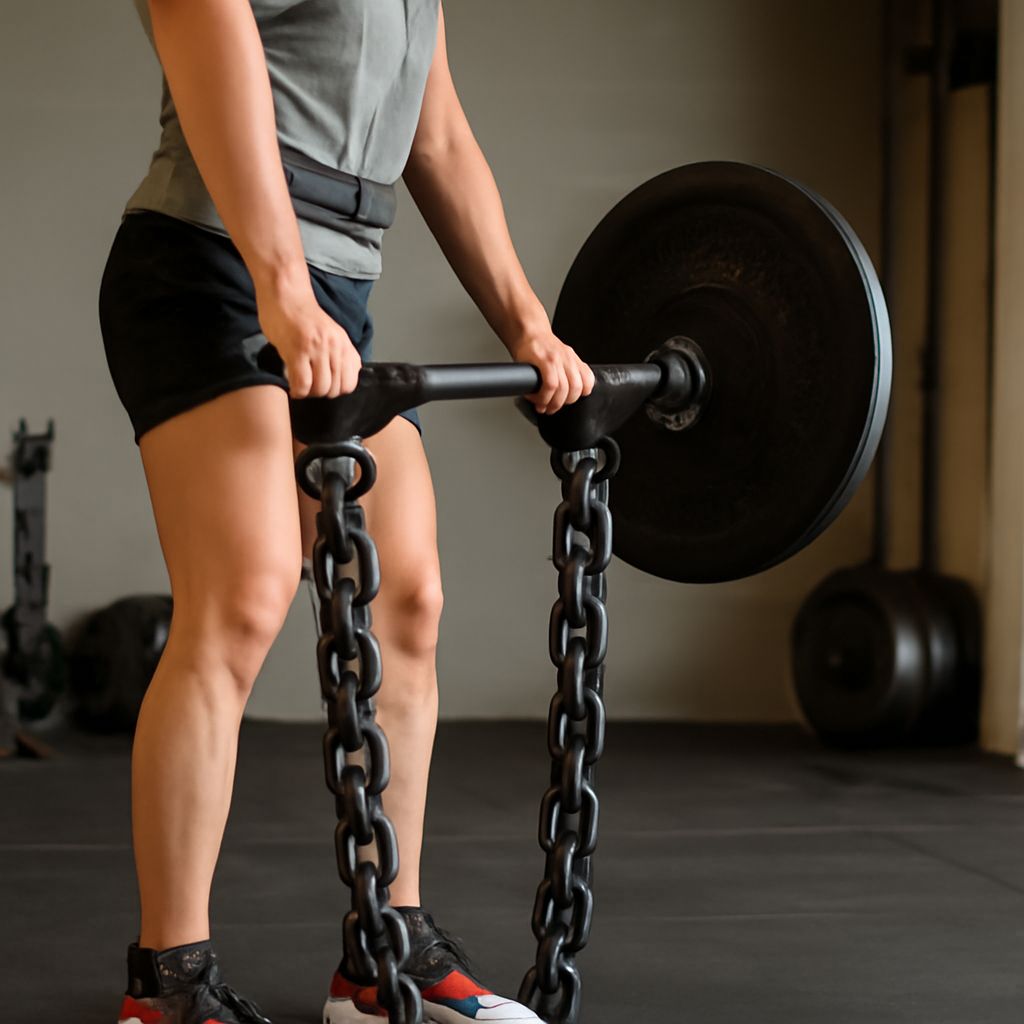
Stand with feet hip-width apart, holding the bar with an overhand grip at hip level. Brace your core and keep a slight bend in your elbows throughout the lift. Raise the bar in a controlled arc to shoulder height — no higher than the chin — while keeping your torso stationary. Avoid swinging, shrugging, or using momentum to initiate the rep.
The descent is equally important. Lower the bar slowly against gravity rather than letting it drop. A 3-to-4-second lowering phase maximizes eccentric muscle engagement and reduces joint stress. Keep the wrists neutral; pronating excessively increases impingement risk at the shoulder.
Choosing the Right Barbell
Not all barbells are equal for this movement. A women’s barbell with a 25mm diameter and 35-pound starting weight is ideal for lighter loads and athletes with smaller hands. A standard 45-pound Olympic barbell works for intermediate and advanced lifters. Cambered or specialty barbells alter the wrist position and are generally unnecessary for this exercise.
Variations and Programming Recommendations
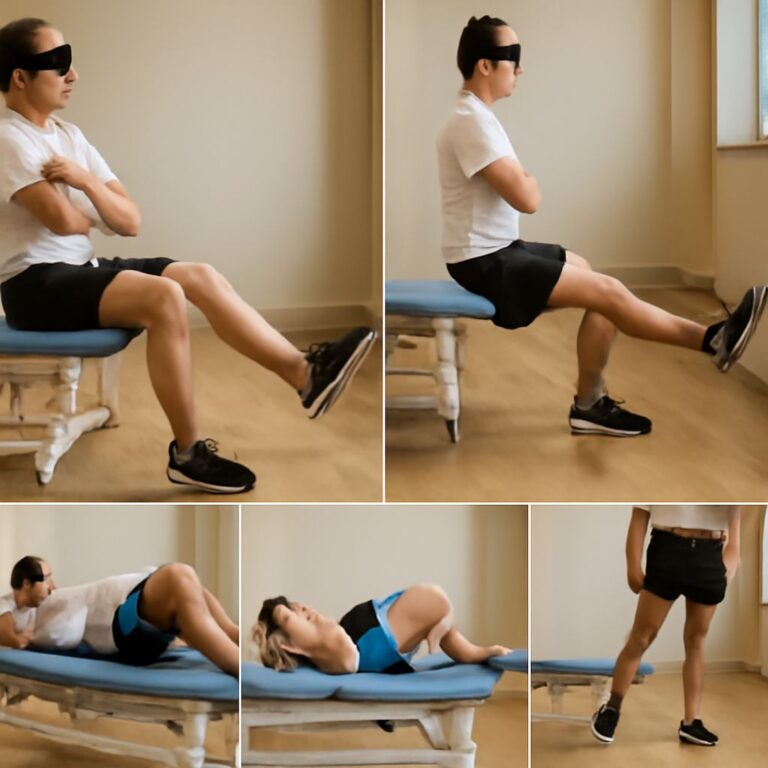
- Incline barbell front raise: Lie face-up on a 30-degree incline bench and raise the bar to vertical — excellent for targeting the clavicular portion of the pec and lower front deltoid
- Alternating dumbbell front raise: Reduces bilateral imbalances; useful when one shoulder lags behind
- Cable front raise: Provides constant tension throughout the range of motion
- Plate front raise: Grip the plate at 3 and 9 o’clock for wrist neutrality and core engagement
Key takeaways: The barbell front raise is a precise, controllable movement that builds anterior deltoid strength and shoulder stability. Choose your barbell based on your size and experience level, keep technique strict, and program 3 sets of 10 to 15 reps at the end of a pressing session. The incline variation is worth rotating in every four to six weeks to vary the stimulus.