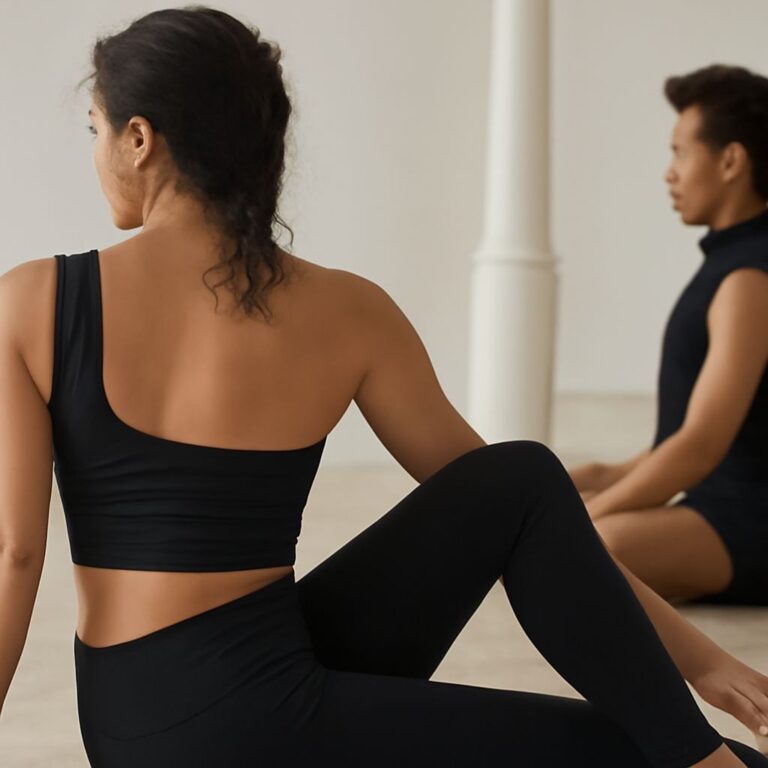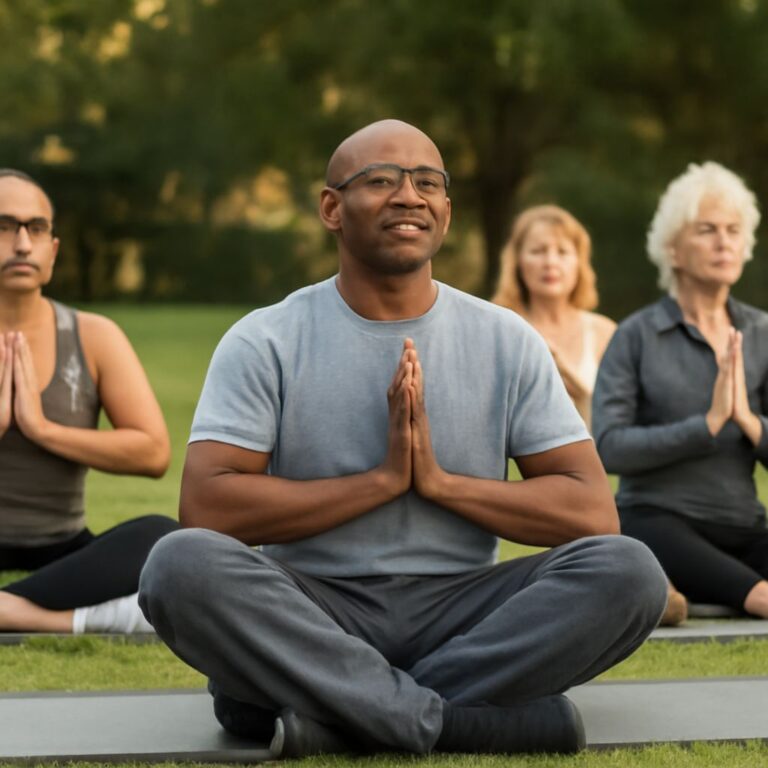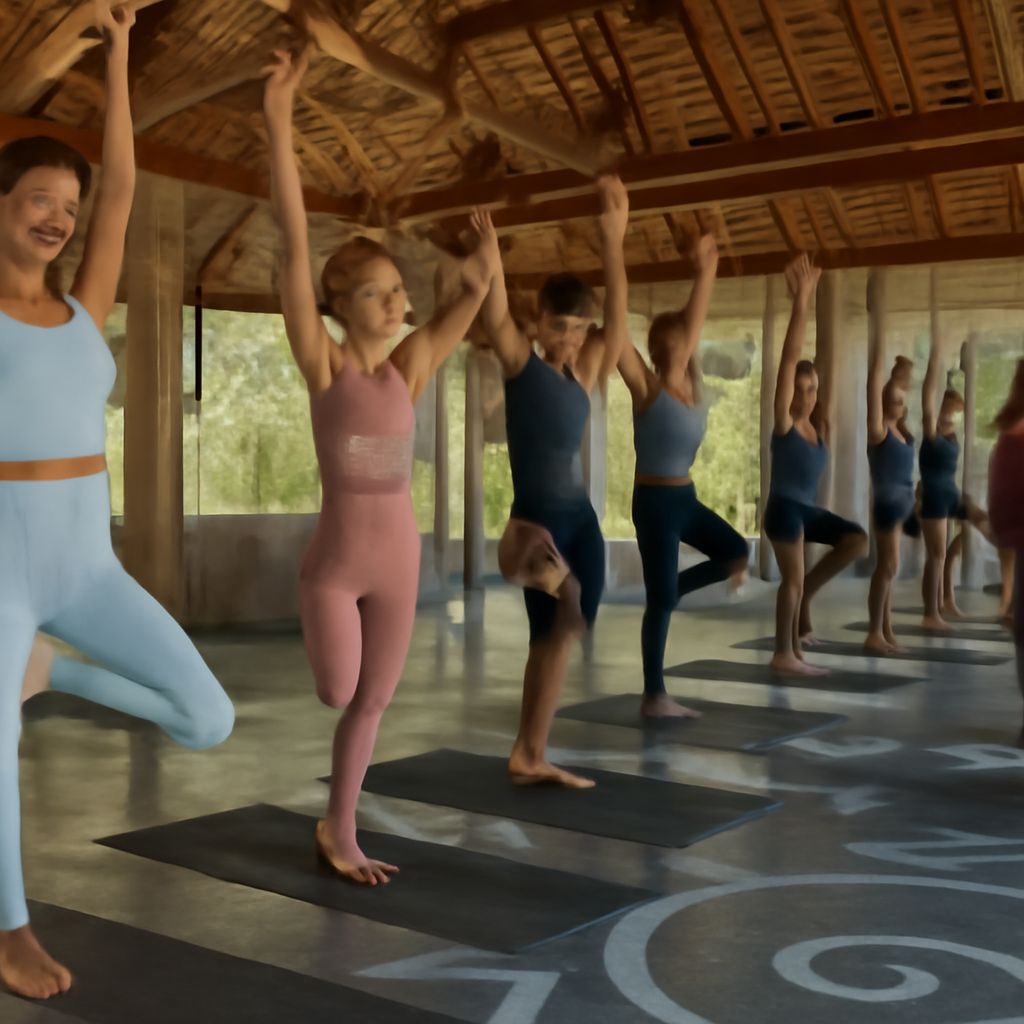
Walking into a beginner yoga class for the first time can feel intimidating — but it shouldn’t. The assumption that yoga requires pre-existing flexibility or spiritual knowledge keeps many people away unnecessarily. Buddhi yoga, which focuses on wisdom and self-inquiry, welcomes complete newcomers. Floating yoga uses aerial hammocks that actually assist beginners rather than challenging them.
Kirtan yoga incorporates devotional chanting and is accessible regardless of your physical ability. An easy yoga routine — one that prioritizes breathing over complex postures — is where most successful long-term practitioners began. The variety within yoga means there is always an entry point that matches exactly where you are right now.
Choosing the Right Style for a New Practitioner
The most important factor in choosing your first style is sustainability. A practice you can maintain consistently — even imperfectly — outperforms any advanced program you drop after two weeks. Hatha yoga is often the best starting point: slower-paced, alignment-focused, and forgiving of beginner limitations.
Beginners who gravitate toward sound and community often find kirtan yoga deeply satisfying even without physical flexibility. Chanting practice develops breath awareness, which transfers directly to physical posture work. Floating yoga classes are now offered at most mid-sized urban studios and provide a genuinely novel experience that motivates continued attendance.
Building an Easy Home Practice
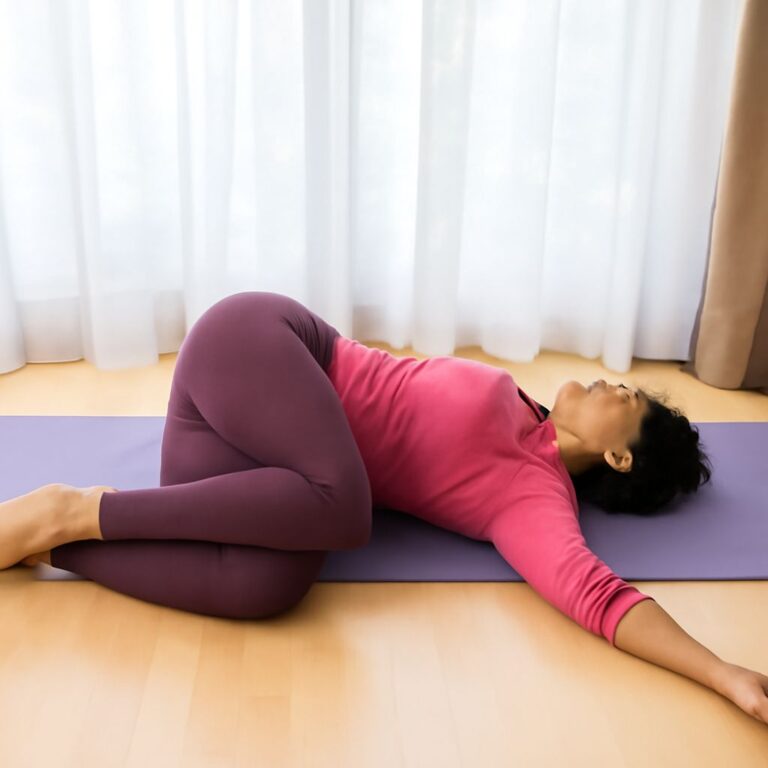
You don’t need a studio membership to begin. An easy yoga flow of fifteen to twenty minutes each morning — sun salutations, a few standing poses, a forward fold, and a brief savasana — builds body awareness faster than most people expect. Use a non-slip mat, wear comfortable clothes, and let go of the idea that your practice needs to look a certain way.
What to Expect in Your First Classes
- Props are your friends: Blocks, straps, and bolsters make poses accessible, not easier
- Breathing matters more than shape: If you’re holding your breath, back off the pose
- Rest is part of practice: Child’s pose is always available and never a failure
- Community builds commitment: Group classes with consistent instructors improve retention
A buddhi yoga perspective reminds us that the goal of practice is self-knowledge, not performance. Your easy yoga routine today lays the foundation for everything that follows. Show up consistently, listen to your body, and let your practice evolve naturally over months and years rather than weeks.