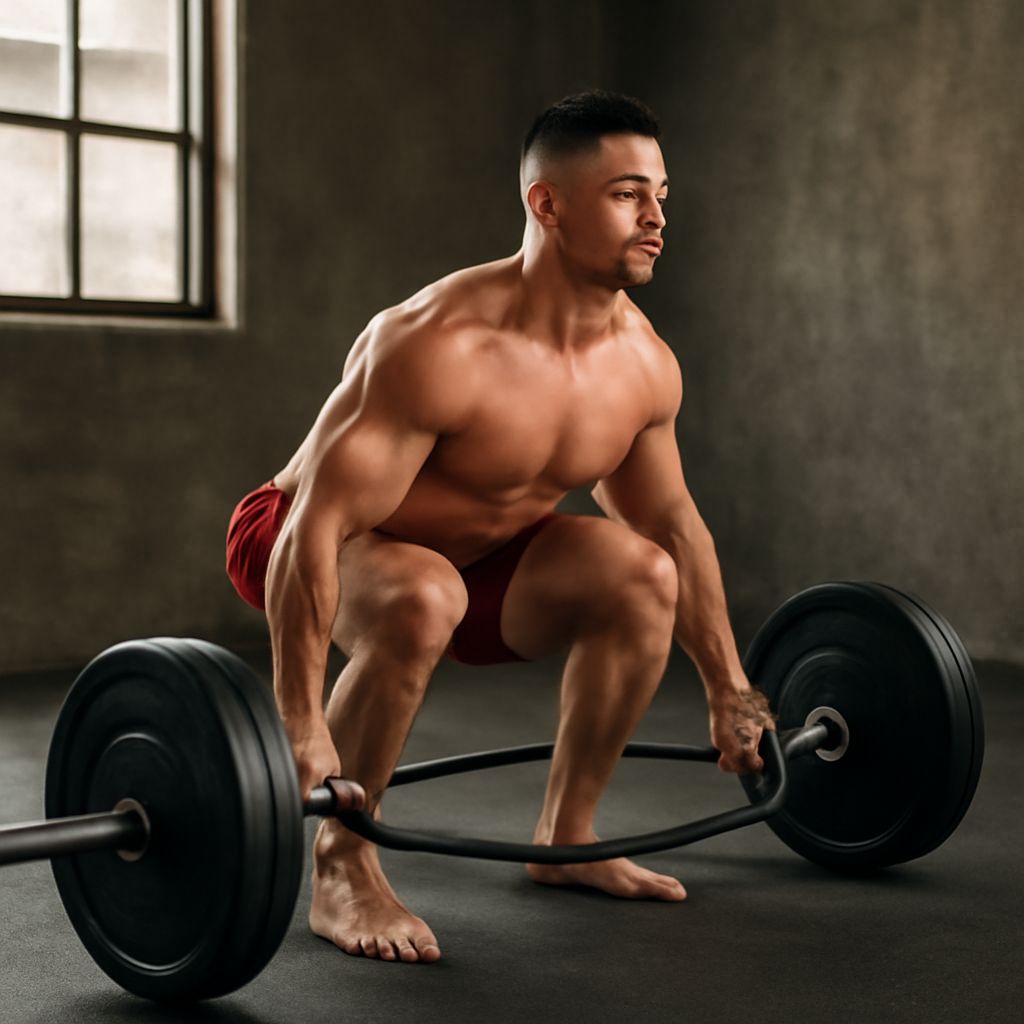
There’s a persistent myth in weight rooms: that the trap bar vs barbell deadlift debate has a clear winner. The truth is more nuanced. The trap bar deadlift muscles worked overlap significantly with the conventional pull, but the mechanics shift in ways that matter. Understanding the trap bar deadlift vs deadlift comparison helps you train smarter, not just harder.
When you step inside the hex frame and grip the handles, you change your center of gravity. The trap bar deadlift vs barbell deadlift difference comes down to torso angle, knee bend, and load distribution. Knowing exactly which trap bar deadlift muscles are recruited — and how — gives you a real edge in programming. The trap bar deadlift vs barbell deadlift argument becomes irrelevant once you know how to use both tools purposefully.
Primary Muscles Recruited in Hex Bar Pulls
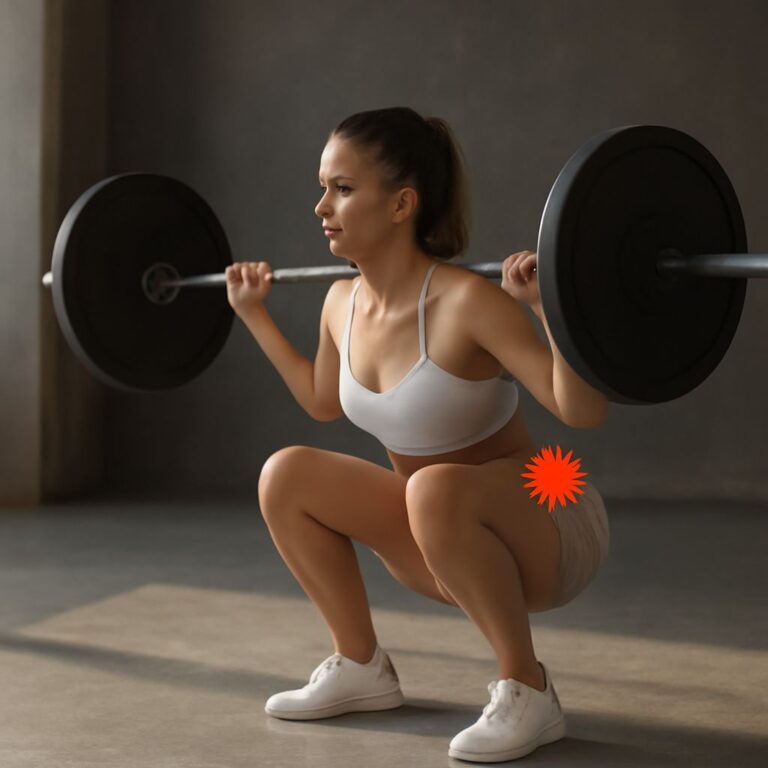
The trap bar recruits the same major muscle groups as a conventional barbell pull but shifts the emphasis. Quadriceps activation is measurably higher because the more upright torso position increases knee flexion at the start. Your glutes and hamstrings still work heavily through hip extension, but the quad demand is elevated compared to a straight-bar setup.
The upper back — including the traps, rhomboids, and rear deltoids — is engaged isometrically throughout the pull. The erector spinae still fire hard, but the reduced forward lean means slightly less shear stress on the lumbar spine. This makes the hex bar a popular choice for lifters managing back sensitivity.
- Quadriceps: Drive the initial push off the floor; more active than in conventional deadlifts
- Glutes: Primary driver of hip extension through the top half of the lift
- Hamstrings: Active eccentrically during descent and concentrically at lockout
- Erector spinae: Maintain a neutral spine under load throughout the movement
- Trapezius and rhomboids: Stabilize the shoulder girdle and prevent shrugging
- Core musculature: Braced throughout to transfer force from legs to the bar
How Grip Position Changes Muscle Emphasis
Most trap bars offer two handle heights. The high handles reduce the range of motion and place the body in a more squat-like position, further increasing quad involvement. The low handles extend the range, bringing the pull closer to a conventional barbell pattern and increasing hamstring and glute contribution.
Experimenting with both positions over your training cycle lets you target different adaptations. Use high handles when training for power or when quad strength is the priority. Use low handles when you want to build posterior chain strength closer to what a barbell demands. Neither is superior — each serves a purpose depending on your goals.
Programming the hex bar pull two to three times per week at moderate volume builds balanced lower-body strength. Pairing it with Romanian deadlifts or Nordic curls helps address any hamstring imbalance the quad-dominant hex bar movement might create over time. Track your progress, adjust your handle height, and let the data guide your next training block.