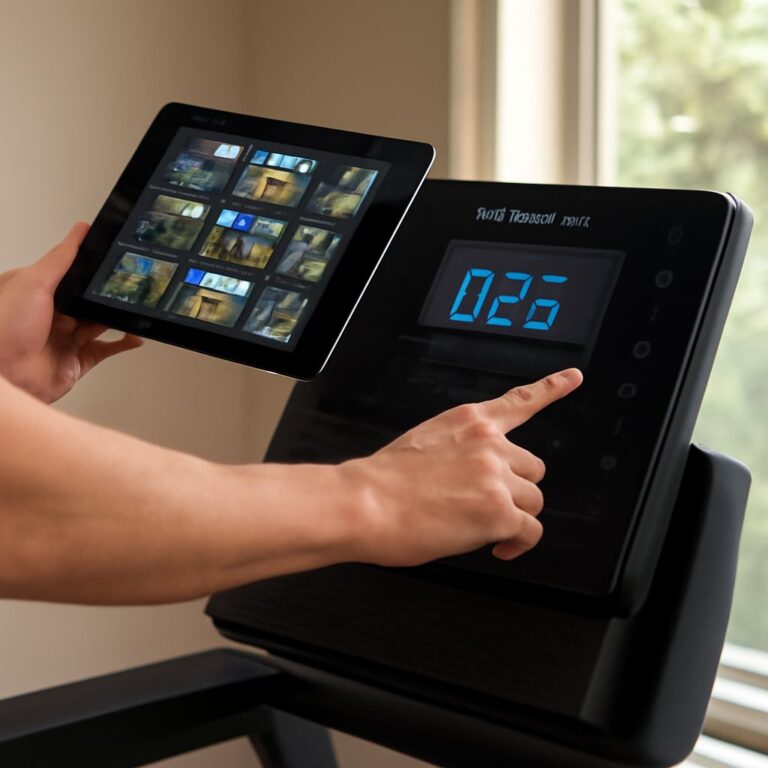
The calorie readout on your treadmill display is not accurate. That is not a design flaw or a manufacturer conspiracy. It is a mathematical limitation. A built-in treadmill calorie calculator uses speed and duration to estimate energy expenditure based on an average body weight, typically 155 pounds. If you weigh 130 or 200 pounds, that estimate is off by 15 to 25 percent. A more precise calories burned on treadmill calculator accounts for your actual weight, your speed, the grade you are walking or running at, and whether you are holding the handrails. Gripping the handrails at any incline can reduce your actual calorie burn by 20 to 40 percent compared to walking with your arms free.
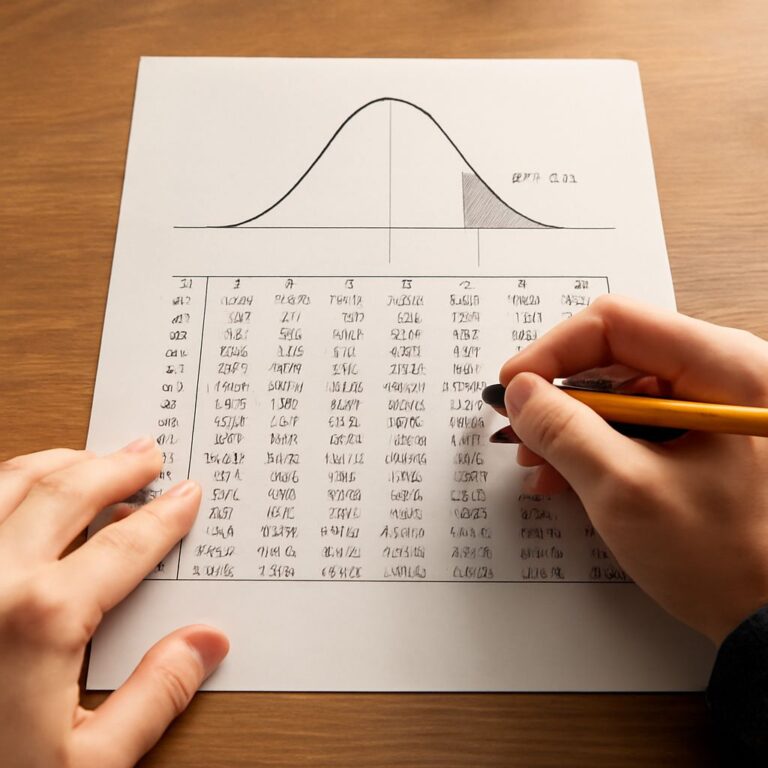
A proper treadmill calories calculator uses MET values, metabolic equivalents, which are standardized measures of exercise intensity relative to resting metabolism. When you calculate calories burned on treadmill using MET, the formula is: MET x body weight in kilograms x duration in hours. Walking at 3.5 mph on a flat surface has a MET of about 3.8. Running at 6 mph has a MET of about 9.8. A calories burned treadmill incline calculator adds the grade factor, which increases the MET value significantly. Walking at 3.5 mph at 10% grade has a MET closer to 5.3, which is a 39% increase in calorie burn compared to the same pace on flat ground.
How to Use Incline Data to Maximize Calorie Burn
Understanding Grade, MET, and Real Output
Every 1% increase in treadmill grade at walking speed adds approximately 5–8 more calories burned per mile. At a 6 mph run, the calorie increase per grade percentage is smaller in relative terms but still meaningful over a long session. The efficiency trade-off is important: walking at high incline maintains elevated heart rate comparable to jogging on flat, which lets people who cannot run due to joint pain access aerobic intensity zones through incline walking instead.
A 15% grade walk at 3.0 mph produces a metabolic equivalent of roughly 6.5, which is the same intensity range as a 5 mph flat run. This is the principle behind incline treadmill training programs like 12-3-30 (12% grade, 3 mph, 30 minutes). The calorie output from these programs is genuinely competitive with running while placing far less impact stress on the knees and hips.
Calculating your personal numbers requires three values: your body weight in kilograms (weight in pounds divided by 2.2), the MET value for your activity (available in the Compendium of Physical Activities), and your session duration in hours. Multiply all three for calories burned. For a 70 kg person walking at 3.5 mph with 10% incline for 45 minutes (0.75 hours): 5.3 x 70 x 0.75 = 278.25 calories. The treadmill display might show 220 or 310 for the same session depending on its default weight assumption.
Heart rate as a calibration tool gives you a second reference point for calorie burn accuracy. Wrist-based heart rate monitors are less accurate than chest straps, but both are more accurate than treadmill estimates for individual variation. Many fitness apps convert heart rate data to calorie estimates using your age and weight. Comparing the heart-rate-based estimate to the MET-based calculation tells you whether your fitness level is above or below average for your demographic, which has implications for how you interpret both numbers.
Putting Calorie Data to Practical Use
Calorie burn data from treadmill sessions is most useful when tracked over time rather than viewed as single-session numbers. If your MET-calculated burn for a standard forty-five-minute session increases over eight weeks at the same pace, your fitness is not improving because improved cardiovascular fitness reduces the relative intensity of the same absolute effort. To maintain the same calorie output as fitness improves, you must either increase speed, grade, or duration.
Using calorie data for nutrition planning requires a realistic margin. Add 15% to any treadmill estimate for post-exercise oxygen consumption, the additional calories burned during recovery after the session ends. Subtract 10% if you are holding the handrails at any point. These adjustments bring the number closer to your actual metabolic cost than either raw estimate provides.
Do not use calorie data to justify eating back exact calories burned. Exercise calories and food calories interact through complex hormonal and metabolic mechanisms that a simple addition problem does not capture. Instead, use treadmill calorie tracking to monitor training consistency and progression rather than as a direct food exchange calculator.
Key takeaways: Always input your actual body weight into any treadmill calorie calculator for more accurate output. Use MET-based formulas for your most precise estimates. Track calorie burn trends over weeks rather than obsessing over single-session accuracy.