The fitness equipment market is full of promises. A motorless treadmill sits at the center of a genuine debate: is it better than a conventional machine? Many buyers assume that removing the treadmill motor makes the machine inferior. The opposite case is worth making. Non-motorized decks engage your posterior chain more actively because you must drive the belt yourself, which increases calorie burn and muscle activation compared to being pulled along by an electric motor.
The appeal of treadmill motor-powered machines is convenience. Step on, press a button, and maintain your speed passively. But that convenience costs something in terms of biomechanical engagement. Treadmill assembly on both types is more involved than many buyers expect, and older machines carry their own set of maintenance considerations. Understanding what you are buying before delivery saves significant frustration.
Motorless vs. Motorized: Performance and Practical Differences
Belt Mechanics and Training Impact
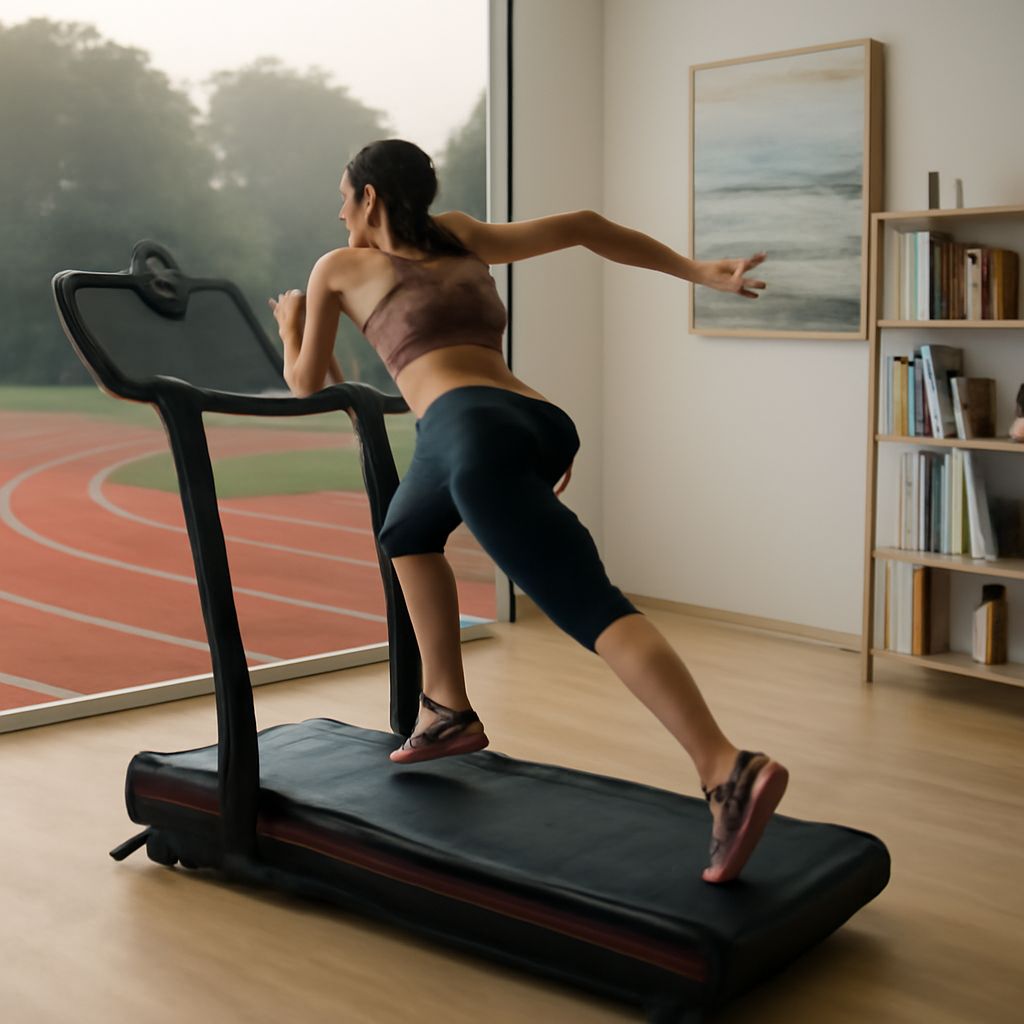
A curved belt on a non-motorized deck moves in response to foot pressure. Walk faster, the belt accelerates. Slow your stride, it decelerates immediately. This responsiveness trains acceleration and deceleration patterns that fixed-speed motors cannot replicate. Interval training on a non-motorized deck is genuinely different from button-controlled intervals on a conventional machine.
The resistance level on most non-motorized models adjusts through magnetic braking rather than incline alone. Higher resistance mimics uphill effort without requiring a steep grade. This makes them flexible tools for both walking and high-intensity sprint intervals within the same session.
Treadmill assembly for non-motorized models is often simpler than for motorized ones. Fewer electrical components means less complexity in the assembly process. That said, curved-belt machines are heavy and require two people to move safely. Check the product specifications for assembled weight before scheduling delivery.
- Non-motorized decks recruit glutes and hamstrings more actively than motorized versions
- No power outlet requirement means flexible placement in your home
- Belt replacement on non-motorized models is typically straightforward
- Curved decks have no speed limits, making them suitable for serious sprint training
Finding a treadmill outlet that stocks non-motorized models for in-person testing matters. Buying without testing a curved deck can lead to surprises. The stride pattern feels noticeably different from conventional machines, and some users require two to three sessions to adapt.
Maintaining and Upgrading Older Treadmill Equipment
An old treadmill is not automatically worth replacing. Many machines built in the 1990s and early 2000s used commercial-grade motors and frames that outlast modern consumer models. If the motor runs cleanly and the belt is not frayed, a professional service call and belt lubrication may be all that is needed to restore full function.
Common issues with aging motorized machines include capacitor failure in the motor, worn drive belts, and degraded walking belt surfaces. Each of these is repairable. Parts for many older models remain available through specialty suppliers, and a technician with treadmill experience can diagnose problems quickly.
If an old machine’s motor has failed and replacement parts are unavailable, that is an honest argument for buying new. In that case, comparing a non-motorized option against a mid-range motorized replacement makes sense based on your training style and available space.
Safety recap: Always secure the safety key to your clothing before starting any treadmill session. Check belt tension and walking surface condition every three months. Never attempt to repair electrical components in a motorized treadmill without disconnecting power and consulting a qualified technician.