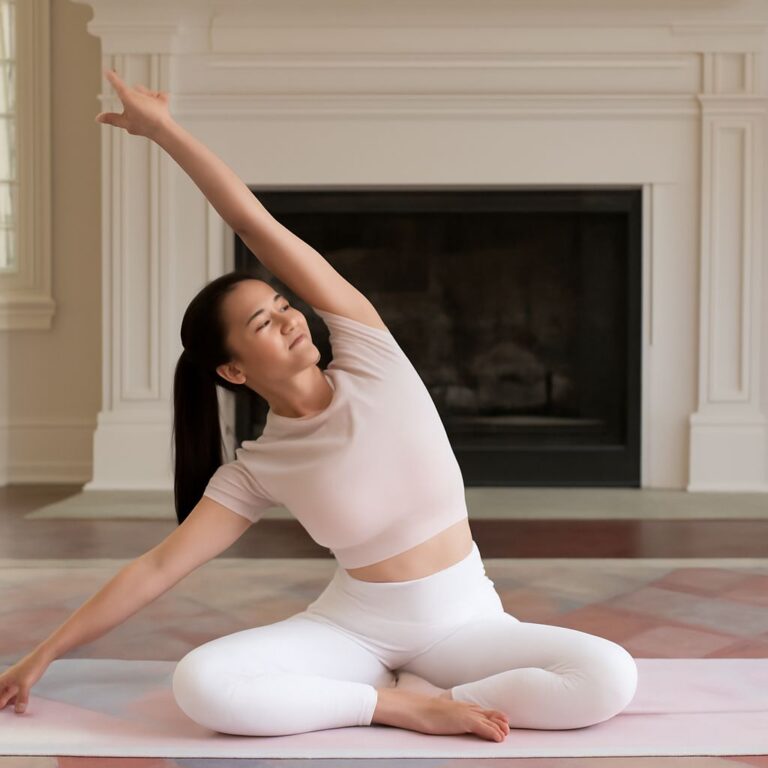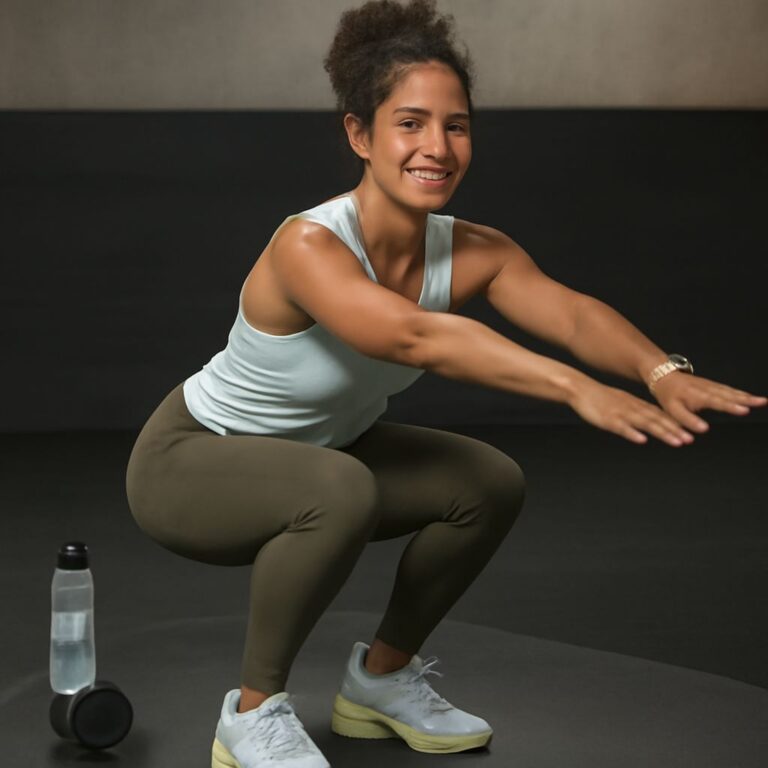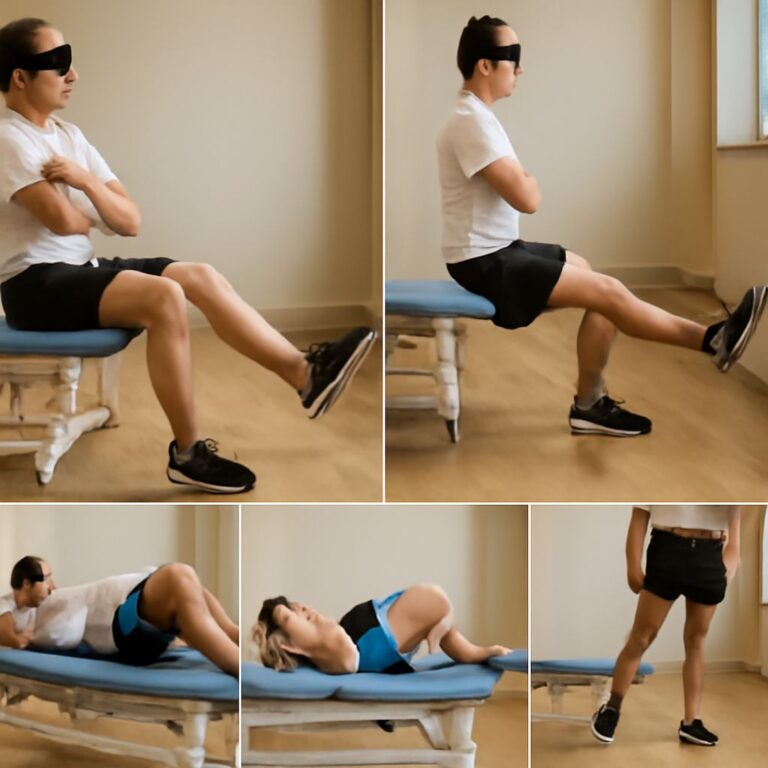
A common misunderstanding is that squatting is squatting — that the basic stance-feet-hip-width-knees-tracking-toes version covers all bases. In reality, different types of squats target different muscle groups, suit different mobility profiles, and produce different training adaptations. The same logic applies across disciplines: types of pilates range from mat-based beginner work to advanced reformer protocols that have almost nothing in common except the underlying principles. Choosing the right types of dumbbells for loaded squat variations depends on which type of squat you are performing and what range of motion it requires. Distinguishing between type of squats on the basis of their mechanical demands — not just their names — is what separates informed programming from random exercise selection. And types of yoga for beginners offer a useful parallel: foundational standing poses in yoga build the hip mobility and ankle flexibility that make deeper squat variations safer and more accessible.
Whether your goal is athletic performance, body composition, or general movement quality, understanding which squat variations to use and when produces better outcomes than rotating randomly through familiar movements. Here is how to think about it.
The Most Effective Squat Variations and When to Use Each
The back squat loads the barbell across the upper back, creating significant compression through the posterior chain. It is the gold standard for measuring absolute lower body strength and builds quad, glute, and hamstring mass efficiently. It demands thoracic extension and hip mobility that beginners often lack initially — which is why progressions matter before jumping to heavy loads.
Front squats shift the load forward and upright, emphasizing the quadriceps and requiring greater ankle mobility to maintain a vertical torso. Many practitioners find front squats more knee-friendly than back squats because the upright trunk position reduces shear force at the knee joint. They also transfer more directly to Olympic lifting movements for athletes in those sports.
Goblet squats are the most accessible squat variation for beginners and remedial training. Holding a single dumbbell or kettlebell at the chest provides a counterbalance that helps practitioners sit deeper and find a more upright torso than unloaded squatting often allows. This variation is an excellent diagnostic tool: the depth a practitioner can achieve in a goblet squat reveals exactly what mobility restrictions need addressing.
Bulgarian split squats — one foot elevated behind the body — isolate each leg independently and reveal strength and mobility asymmetries that bilateral squats mask. They produce significant muscle-building stimulus with far lower spinal loading than back squats, making them a useful option when back health is a concern.
Sumo squats use a wide stance with toes turned out significantly, shifting emphasis toward the inner thighs and reducing the depth required compared to a narrow-stance variation. They suit practitioners with wider hip structures and those managing knee flexion limitations.
Jump squats add a plyometric dimension that builds power output rather than pure strength. These belong in programs focused on athletic performance — sprinting, jumping sports, martial arts — rather than general strength training, where the injury risk from fatigue-impaired landing mechanics outweighs the benefit.
Programming any squat variation effectively requires progressive overload over time. Start with goblet or bodyweight squats to build movement quality, advance to front or back squats as mobility and strength allow, and add variation strategically based on specific goals rather than novelty.