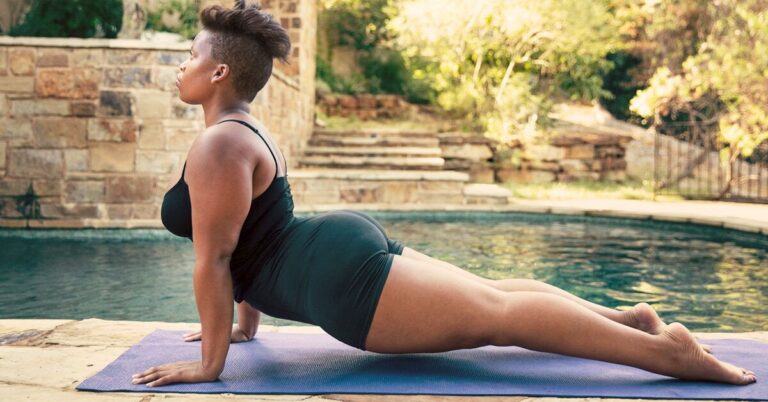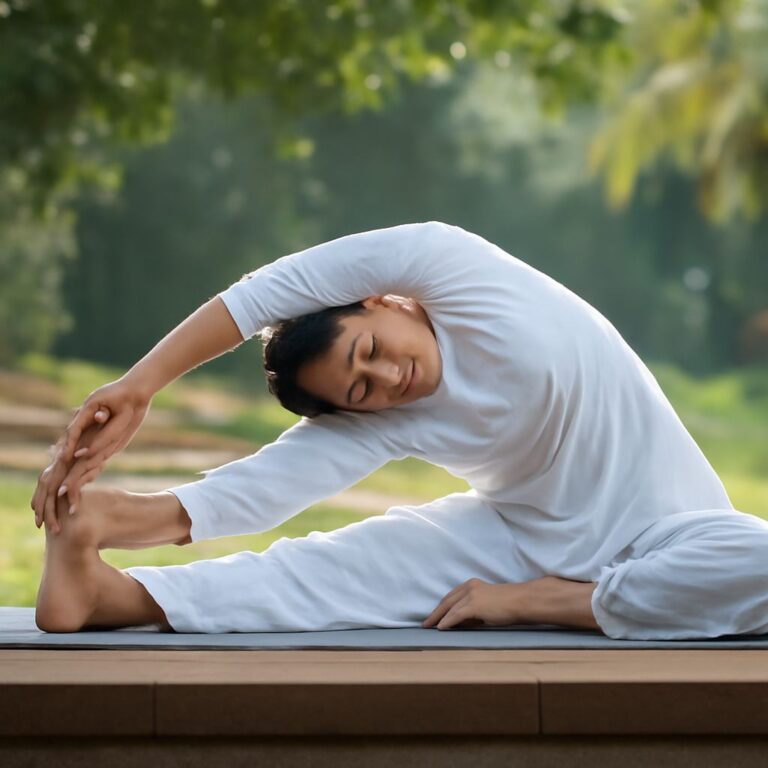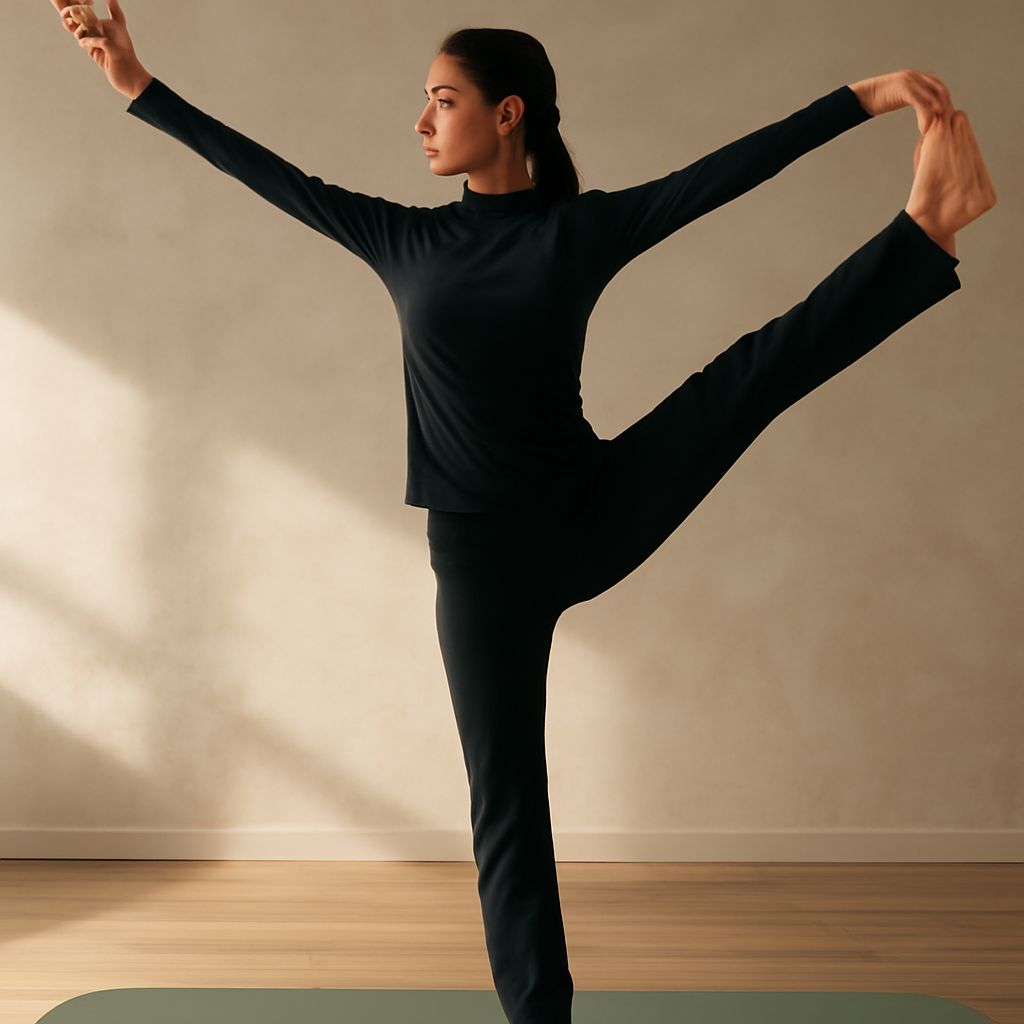
Yoga mat size is the variable most buyers underestimate. Standard mats ship at 68 inches long and 24 inches wide — dimensions that fit practitioners up to approximately 5’10’ with arms overhead. Anyone taller will have their hands or feet land on the floor during certain postures. Yoga mat thickness is the variable most buyers overestimate: thicker isn’t always better, and the best thickness for yoga mat depends on your practice style and joint sensitivity, not on which number sounds most cushioned. The best yoga mat thickness for Vinyasa practice differs from what Yin practitioners need, which differs from what beginners prioritize. And yes, cat yoga mat designs exist — patterned mats featuring feline imagery are now a segment of the yoga mat market with a dedicated buyer base, though pattern has zero effect on performance. What matters is understanding the functional specifications before letting aesthetics drive the purchase.
This guide separates the dimensions that matter from the ones that don’t, and gives you a clear decision framework for both size and thickness.
Yoga Mat Size: Length, Width, and Who Needs What
The standard yoga mat size emerged from a period when the average Western practitioner was shorter than today’s average, and when yoga studios stored mats rolled in uniform racks that dictated length. Those constraints no longer apply to most buyers, but the 68-inch standard persisted. For a practitioner between 5’4′ and 5’10’, standard size works: you can extend fully in both directions during postures like Savasana, Downward Dog, and Warrior III without running off the mat. For practitioners above 5’10’, a long mat (72 or 84 inches) is worth the additional cost — typically $10–$30 more than the standard version of the same model.
Width is less often discussed but equally important for specific practices. Standard 24-inch width accommodates most postures comfortably. Wide mats at 26–30 inches add meaningful space for wide-stance postures like Warrior II, goddess pose, and any lateral movement sequence. If you practice styles involving significant lateral movement or simply feel cramped on a standard mat, wider options are worth exploring. The tradeoff is weight and storage space — a 26-inch by 84-inch mat is substantially heavier and longer to roll than a standard mat.
Finding the Right Yoga Mat Thickness for Your Joint Needs
Yoga mat thickness typically runs between 1.5mm (ultra-thin travel mats) and 6mm (extra-thick cushioned mats). The practical range for most practitioners is 3–5mm. A 3mm mat gives excellent ground feel — you sense subtle weight shifts during balance poses because less foam separates you from the floor. This proprioceptive feedback improves balance over time. The tradeoff: less cushioning for sensitive knees, wrists, and sitting bones. A 5mm mat provides noticeably more joint protection but slightly reduces that ground-connection sensitivity. For Yin and Restorative practices involving long floor holds, 5–6mm is the practical choice. For Vinyasa, Ashtanga, and any balance-intensive practice, 3–4mm outperforms thicker options in feedback and stability.
Best Yoga Mat Thickness by Practice Type and Body
The best thickness for yoga mat selection comes down to three factors: practice style, joint sensitivity, and floor surface. Practice style determines whether you need proprioceptive sensitivity or cushioning protection — as described above. Joint sensitivity overrides style preference: if your knees genuinely hurt on a 3mm mat during kneeling postures, a 5mm mat is the right choice regardless of your style preference, and adding a folded blanket under the knees provides additional protection in postures that demand it. Floor surface matters too — practicing on carpet provides additional cushioning below the mat, effectively adding to the felt thickness. On hardwood or concrete, you feel every millimeter of your mat’s cushioning directly.
The best yoga mat thickness for most practitioners falls in the 4mm range: enough cushioning for joint protection without significantly sacrificing ground contact. The 4mm standard appears across almost every mid-range mat from established brands — it’s not a coincidence. It represents the practical balance point between the competing demands of cushioning and sensitivity.
Cat yoga mat designs, printed mats, and patterned surfaces don’t affect performance but do affect one practical detail: alignment lines. Many patterned mats omit the printed alignment guides (center lines and foot position markers) that plain mats include. If you’re working on alignment precision, a mat with printed guides outperforms a decorative patterned mat regardless of pattern preference. Choose the pattern you like, then verify that the mat includes alignment markings if those matter to your practice.
Bottom line: prioritize yoga mat size based on your height and practice style, select yoga mat thickness based on joint sensitivity and practice format, and treat aesthetics — including cat yoga mat patterns — as the last decision, not the first.