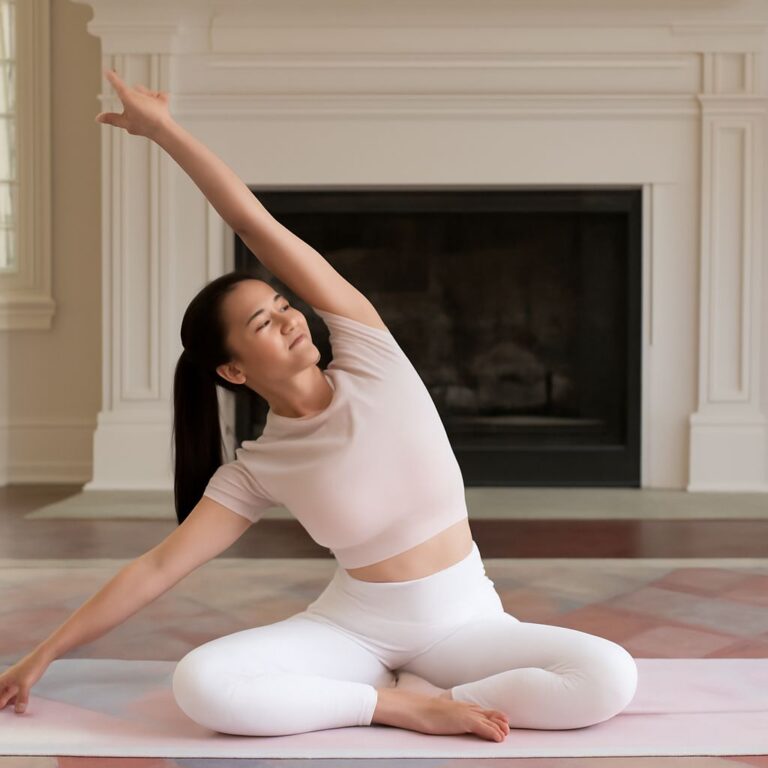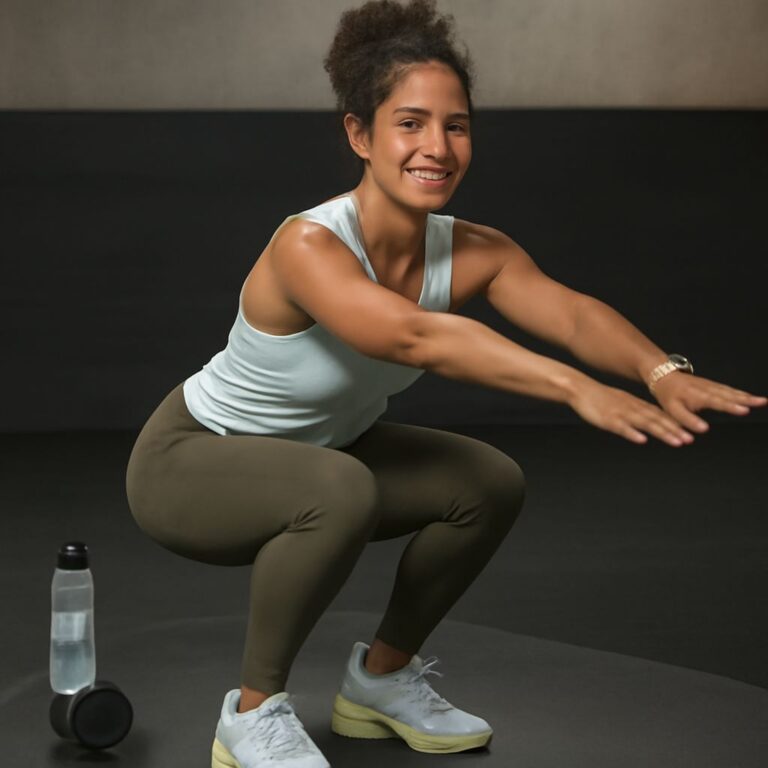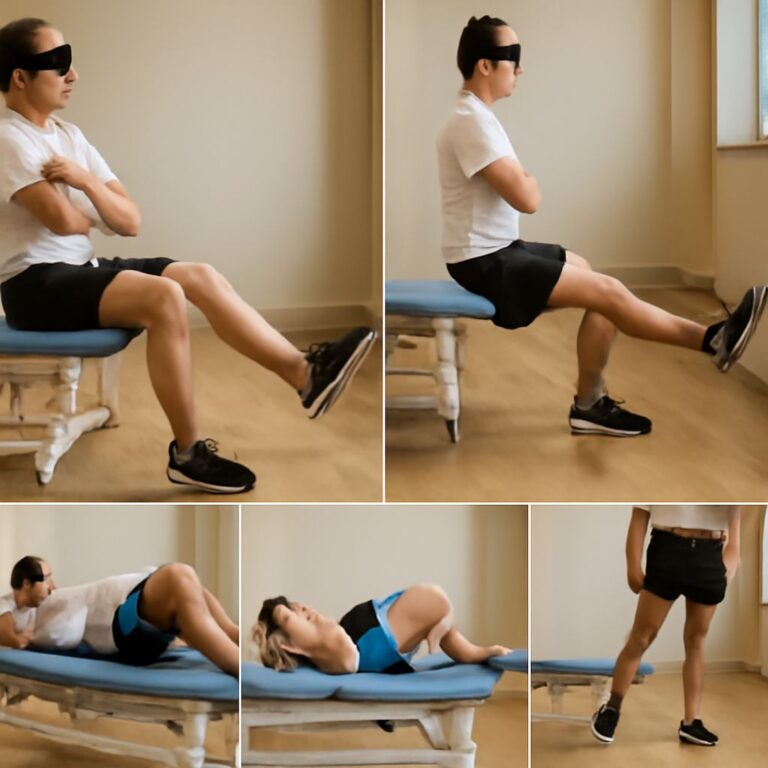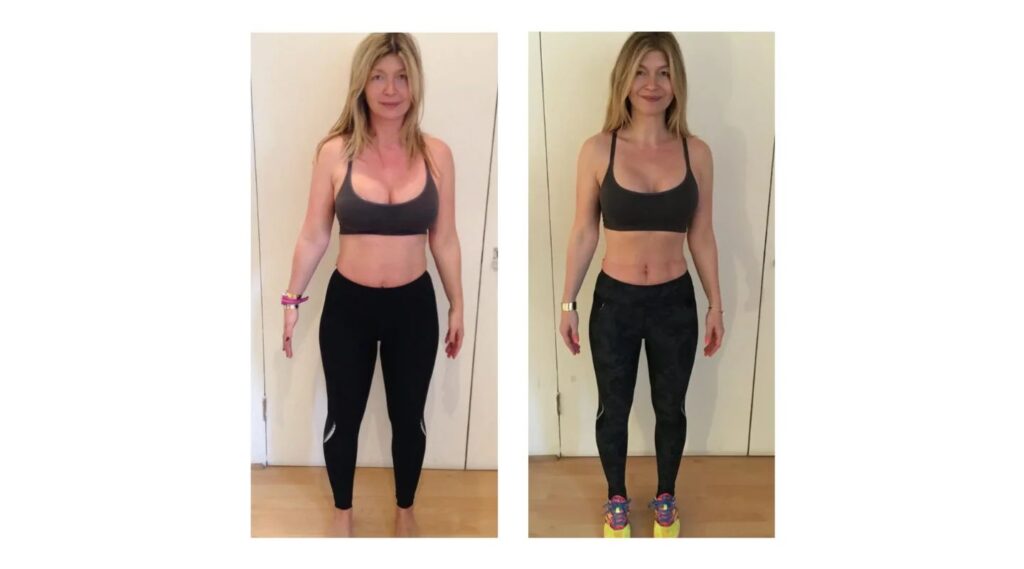
Pilates before and after photos circulate online with captions suggesting dramatic physique changes in four to eight weeks. Most of those timelines are overstated. Pilates results are real, consistent, and well-documented — but they happen on a different timeline and in different ways than most before-and-after marketing suggests. A pilates transformation typically shows up first in posture and pain reduction, then in functional strength, then in visible muscle tone — in that order, over months, not weeks. The term pilates body transformation is often used to describe a specific aesthetic: a leaner, longer-looking silhouette. That description reflects what happens when deep stabilizer muscles develop and superficial muscles stop gripping — but it takes three to six months of consistent practice to become visually apparent for most people. A kettlebell before and after comparison follows a different trajectory entirely: visible hypertrophy often appears faster because kettlebell work loads the prime movers and creates more muscle damage that triggers growth. Understanding which results you’re actually pursuing determines which tool is right for you.
This guide gives you honest timelines, realistic outcome descriptions, and a framework for evaluating your own progress without relying on photographic comparison alone.
What Pilates Results Look Like in Real Practice
The first pilates results most practitioners notice aren’t visual — they’re functional. Within two to four weeks of consistent practice (three or more sessions per week), many people report reduced lower back pain, improved posture during seated work, and better body awareness during everyday movement. These aren’t small outcomes. For people who’ve dealt with chronic back pain or postural problems from desk work, they’re life-changing. They also don’t show up in before-and-after photos, which is part of why pilates transformation documentation often misrepresents what the method actually delivers first.
Visible pilates body transformation becomes apparent for most practitioners after three to six months of consistent work. The visual change reflects two things: increased muscle tone in the transverse abdominis and spinal stabilizers (which creates a flatter, more supported midsection), and reduced gripping in the superficial muscles (which makes the body look longer and more at ease in its structure). This is why experienced pilates practitioners often appear taller — their spine is actually more decompressed and their shoulders have stopped rounding forward. That postural shift is a genuine structural change, not just improved carriage.
Pilates Body Transformation Timeline: What to Expect Month by Month
Month one: Expect to feel sore in muscles you weren’t aware of — particularly deep abdominals and hip stabilizers. Coordination with breath is challenging. Progress feels internal rather than visible. Month two: Movement patterns start becoming more automatic. Lower back tension reduces. Balance improves noticeably in standing exercises. Month three: Visible improvements in posture become apparent to people who see you regularly. Core endurance has increased. You can perform more challenging variations of foundational exercises. Months four through six: The aesthetic changes most associated with pilates before and after comparisons become apparent — a leaner appearance in the midsection, improved posture under load, and visible muscle definition in the obliques and upper back.
Kettlebell Before and After: How the Comparison Shapes Expectations
A kettlebell before and after timeline differs from pilates primarily in the mechanism of change. Kettlebell training loads the posterior chain and primary movers through ballistic and grinding movements — swings, cleans, presses, and carries. This creates more acute muscle damage than pilates, which triggers the hypertrophy (muscle growth) response faster. Many kettlebell practitioners see visible size changes in the glutes, hamstrings, and shoulders within six to eight weeks of consistent heavy training.
What kettlebell training doesn’t deliver as reliably: the deep stabilizer development, postural correction, and neuromuscular re-patterning that pilates produces. Kettlebell practitioners who add pilates to their training often report that their kettlebell work improves — they generate more power from a more stable base, and their movement quality under load becomes more precise. The two methods address different layers of the neuromuscular system. Combining them produces outcomes that neither delivers alone.
Track your progress across multiple dimensions: pain levels, posture photos (not just aesthetic shots), performance metrics like how many repetitions of a challenging exercise you can complete, and functional markers like how your back feels after a long workday. That multi-dimensional tracking gives you a more honest picture of pilates results than any single before-and-after photo can.
Pro tips recap: Expect pilates results to appear in the following order: pain reduction, functional strength, then visible physique changes. The pilates transformation timeline is typically three to six months, not four to eight weeks. Track progress across posture, function, and pain levels — not just aesthetics — to get an accurate read on what your practice is delivering.