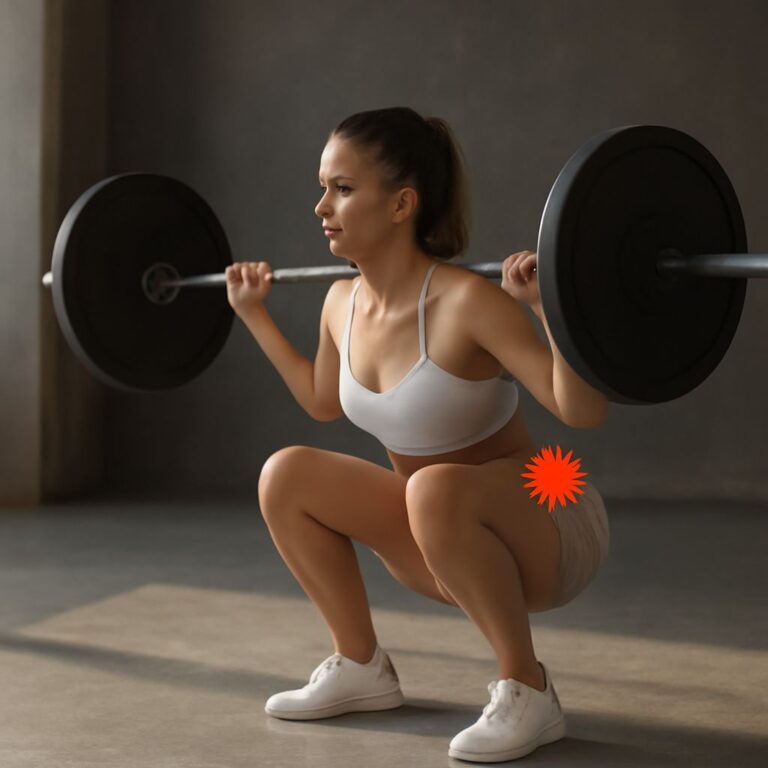
Strength training vocabulary trips people up constantly. A hex bar deadlift form question sounds specific — but the answer changes depending on handle height, foot position, and your training goal. The trap bar deadlift vs squat debate is real and worth settling: these two movements share a loading pattern but stress different muscle groups in different proportions. Safety bar squats exist for lifters with shoulder or wrist restrictions, and trap bar squats serve a different mechanical purpose than either conventional squats or trap bar pulls. Throw in the dumbbell deadlift vs barbell deadlift question and you have a complete picture of the modern strength training toolkit. This guide cuts through the overlap and gives you clear guidance on each variation.
The myth that one bar or one lift does everything is worth dispensing with early. Different bars exist because different mechanical challenges produce different adaptations. Knowing which tool matches your goal saves you from years of suboptimal training.
Hex Bar Deadlift Form: Setup, Execution, and Why It Differs
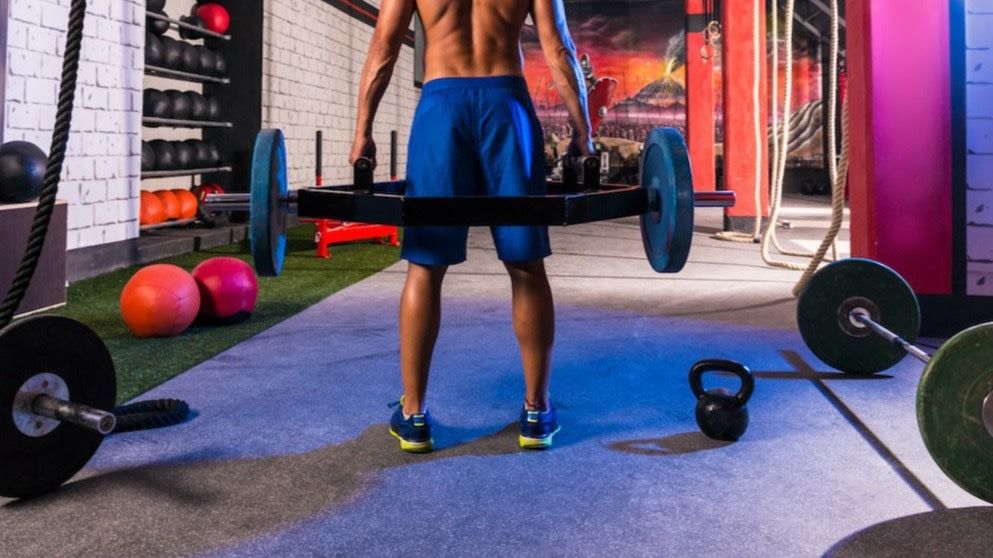
The hex bar — also called a trap bar — positions you inside a hexagonal frame so your hands sit at your sides rather than in front of your shins. This changes the lift fundamentally. Your center of mass travels through the frame rather than over the bar, which reduces shear force on the lumbar spine and allows a more upright torso angle compared to a conventional barbell pull.
For hex bar deadlift form, stand in the center of the frame with feet hip-width apart. Grip the handles (most hex bars have high and low handle positions — beginners and those with hip mobility limits often benefit from high handles). Hinge at the hips, push them back, and keep your chest up. When you pull, drive through the floor with your legs while keeping your spine neutral — think “leg press the ground” rather than “pull the bar.” Lock out at the top by squeezing your glutes, not by hyperextending your lower back. The hex bar’s geometry makes it harder to pull with an excessively rounded spine, which is part of why coaches use it to teach hip hinge mechanics to beginners.
Loading the hex bar deadlift typically allows heavier weights than conventional deadlifting for most people because the movement pattern is more quad-dominant and the mechanical disadvantage is lower. If you’re returning from a lower back injury or want a deadlift variation that’s kinder to spinal structures, the hex bar is the starting point.
Trap Bar Squats vs Safety Bar Squats: Which Variation Fits Your Goals
Trap bar squats use the same bar as the hex bar deadlift but with a different setup intention: you squat into the movement rather than hinging. The result is higher knee flexion, more quadriceps emphasis, and a loading pattern that sits between a conventional squat and a deadlift. Trap bar squats work well for athletes who need quad strength without the wrist and shoulder flexibility required to rack a barbell.
Safety bar squats use a cambered bar with padded yokes that rest on your shoulders and curved arms that you hold in front of you. This bar takes your shoulders and wrists entirely out of the equation, making it the go-to for lifters with upper body mobility restrictions or injuries. The weight sits slightly forward of a straight barbell, which increases thoracic demands and makes the movement feel harder than the load suggests. Safety bar squats tend to produce strong upper back and thoracic spine adaptations over time.
Trap Bar Deadlift vs Squat: Making the Comparison That Matters
When coaches debate trap bar deadlift vs squat, they’re really asking: which movement better matches your athletic or aesthetic goal? A 2017 study in the Journal of Strength and Conditioning Research found that trap bar deadlifts produced significantly higher peak force and peak power than conventional barbell deadlifts and were more comparable to the mechanical output of a squat — particularly in knee extensor demand. This makes the trap bar deadlift a hybrid movement, sitting between a pure hip hinge and a squat pattern.
For athletic performance — sprinting, jumping, change of direction — the trap bar deadlift correlates strongly with sprint times and vertical jump, making it a preferred tool in many sports performance programs. For hypertrophy of the posterior chain (glutes, hamstrings), a conventional or Romanian deadlift with a barbell creates more targeted tension. For quad-dominant development, a squat pattern — conventional barbell back squat, front squat, or safety bar squat — wins.
The dumbbell deadlift vs barbell deadlift question is simpler: dumbbells allow each side to work independently (useful for addressing imbalances) and require less technical setup, but they cap out at moderate loads due to grip and dumbbell size limits. A barbell scales to much heavier loads, making it the long-term tool for progressive overload. Use dumbbells to learn the hinge pattern and address side-to-side differences; graduate to a barbell or trap bar for sustained strength development.
Key takeaways: Choose your bar based on your goal and limitations — the hex bar for spine-friendly loading and power, the safety bar for shoulder-restricted squatting, the barbell for maximum posterior chain development. The trap bar deadlift sits between a squat and a deadlift in its demands, which makes it uniquely versatile for athletic training. No single variation is universally superior; the right choice is the one that matches your body and your target adaptation.