Many people believe a morning yoga routine requires an hour of free time, perfect flexibility, or a studio membership. None of that is true. A focused set of morning yoga poses done in fifteen minutes can shift your energy, ease overnight tension, and sharpen your focus before you touch your phone. If you’ve been told that stretch yoga is only for gymnasts or elite athletes, that’s a myth worth dropping right now. Your body does not need to be limber before you begin — it just needs to move. A complete yoga morning routine and a structured morning yoga sequence are what you actually need, and both are more accessible than most fitness advice suggests.
Why Your Morning Yoga Poses Matter More Than You Think
Sleep keeps your body still for hours. Joints stiffen, fascia tightens, and circulation slows. The right morning yoga poses counter all of that in minutes. Think of your spine as a column that needs daily maintenance — gentle forward folds and twists restore its range of motion before you sit at a desk or pick up your kids. Poses done in the morning also activate your parasympathetic nervous system just enough to cut cortisol spikes, which means you respond to early-day stress with more clarity.
Science backs this up. Research published in the International Journal of Yoga shows that participants who practiced yoga before 9 a.m. reported lower perceived stress throughout the day compared to evening practitioners. Starting your yoga practice in the morning isn’t a lifestyle luxury — it’s a biomechanical and neurological investment.
How Stretch Yoga Primes Your Body Before Breakfast
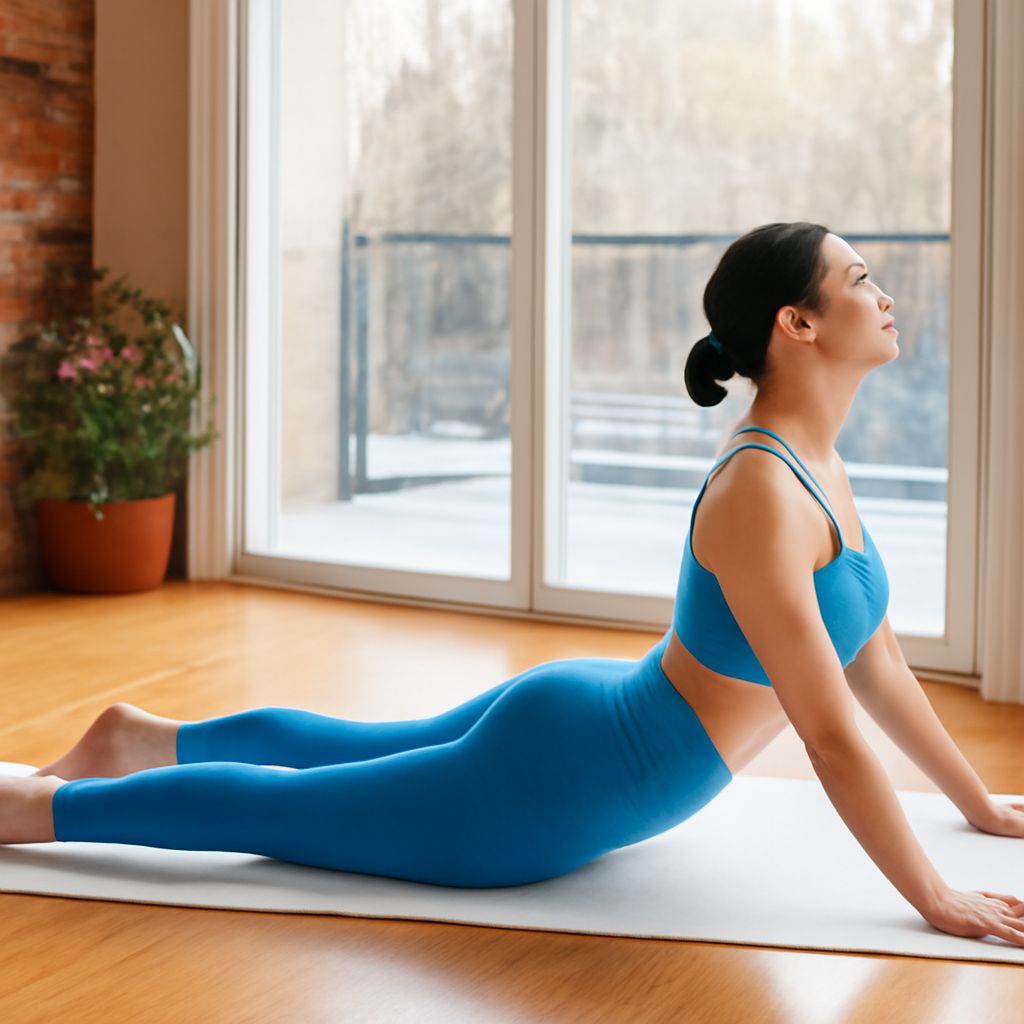
Stretch yoga isn’t a single style — it’s an approach. It prioritizes lengthening muscles and decompressing joints over building strength or performing advanced postures. Done first thing, it tells your muscles to release the guard they held overnight. Cat-Cow flows lubricate the spine. A low lunge opens hip flexors that shorten during sleep. A seated forward bend releases the hamstrings that tighten from lying flat. Even two or three of these moves, held for five to eight breaths each, produce measurable improvements in flexibility over four to six weeks. The key is consistency, not duration. Stretching your way through a short sequence every morning beats a longer session done twice a week.
Building a Yoga Morning Routine That Actually Sticks
The biggest obstacle isn’t time — it’s friction. If your mat is rolled up in a closet, you’ll skip the session. Keep it unrolled beside your bed. If you need a shower before you can move, lay out clothes the night before. Small logistical wins decide whether your practice survives the first week.
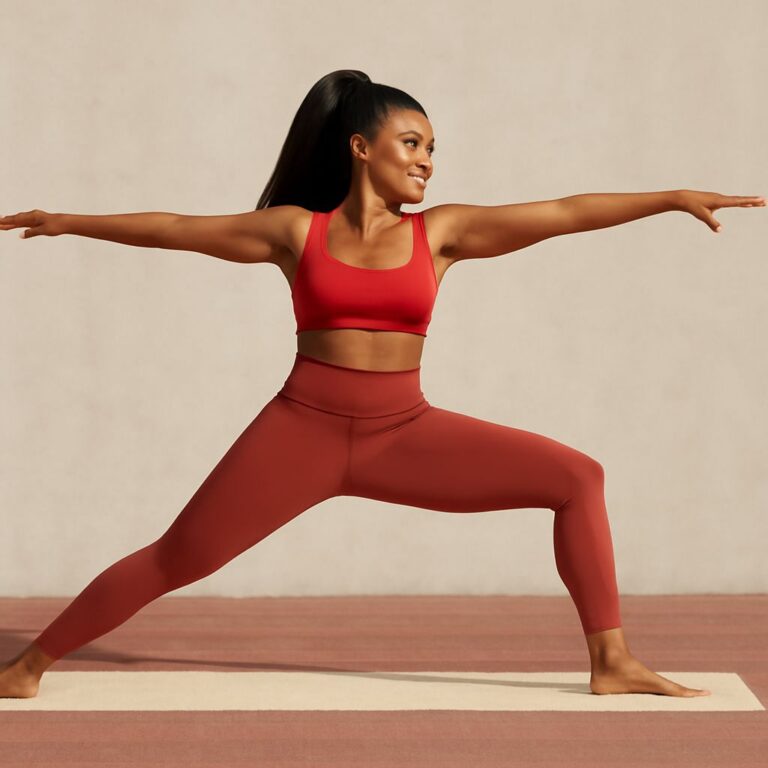
Structure matters too. A reliable yoga morning routine follows a simple arc: ground, open, activate. Start on your back with a few gentle spinal twists to ground your awareness in your body. Move to your hands and knees for Cat-Cow and Child’s Pose to open the back and hips. Then rise to standing postures — Warrior I, Mountain Pose, or a simple Sun Salutation — to activate your legs and build heat. This arc mirrors how your nervous system naturally wakes up, so it feels intuitive rather than forced.
Your morning yoga sequence doesn’t have to be fixed forever. Rotate poses based on how you feel. On tense mornings, lean into longer holds in Yin-style postures. On energized mornings, link postures into a flowing Vinyasa. You can keep the same arc — ground, open, activate — and vary the specific moves within each phase. This flexibility prevents boredom and keeps your body adapting.
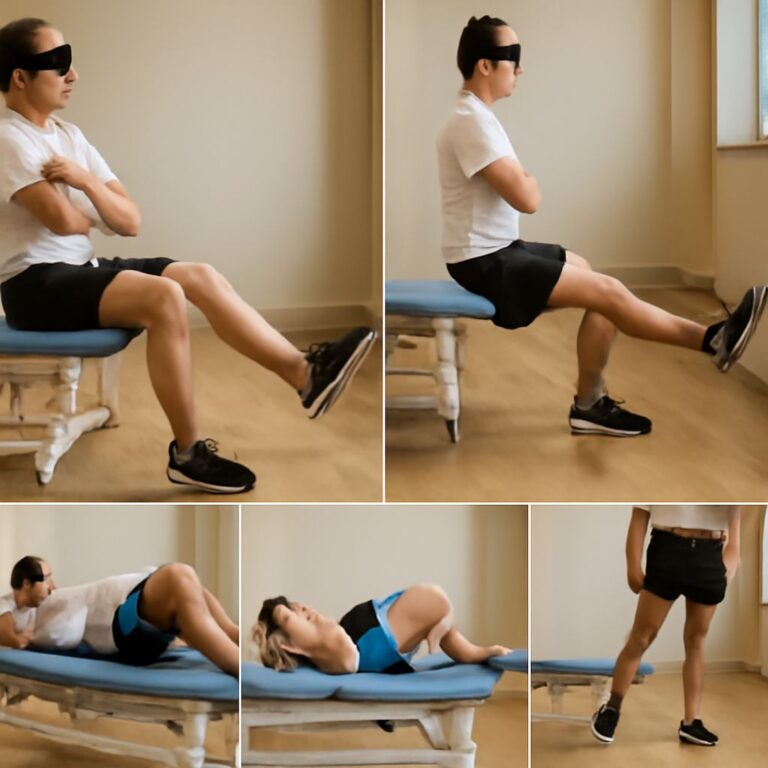
- Ground phase (2–3 min): Supine spinal twist, knees-to-chest rock
- Open phase (5–7 min): Cat-Cow, Child’s Pose, low lunge, seated forward fold
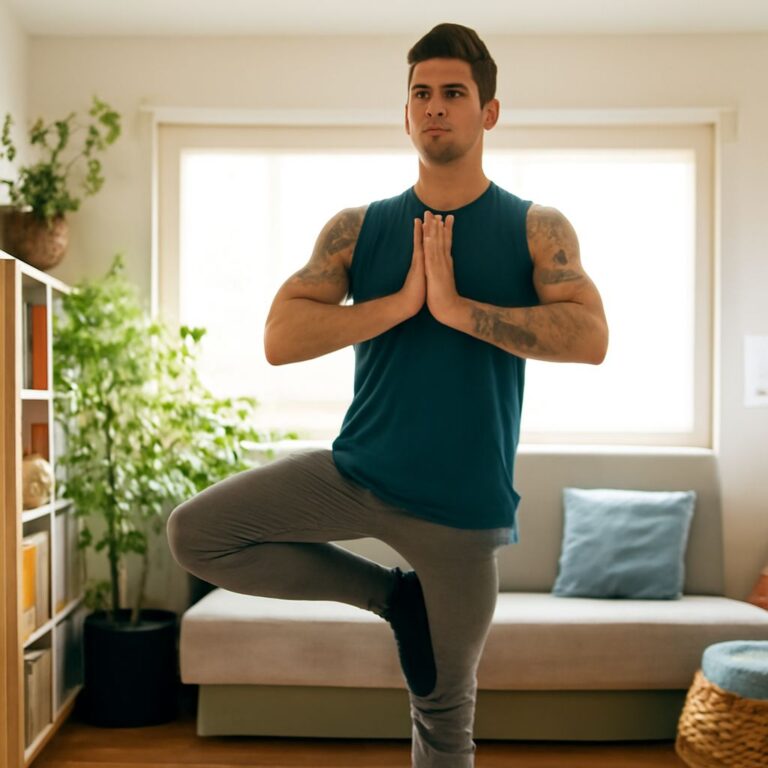
- Activate phase (5–7 min): Downward Dog, Warrior I, Mountain Pose, standing side stretch
Track how you feel before and after for a week. Most practitioners notice a measurable lift in mood and physical ease within the first three to five days. Once you feel that shift, the habit cements itself without willpower. Your body starts requesting the practice before your alarm reminds you.