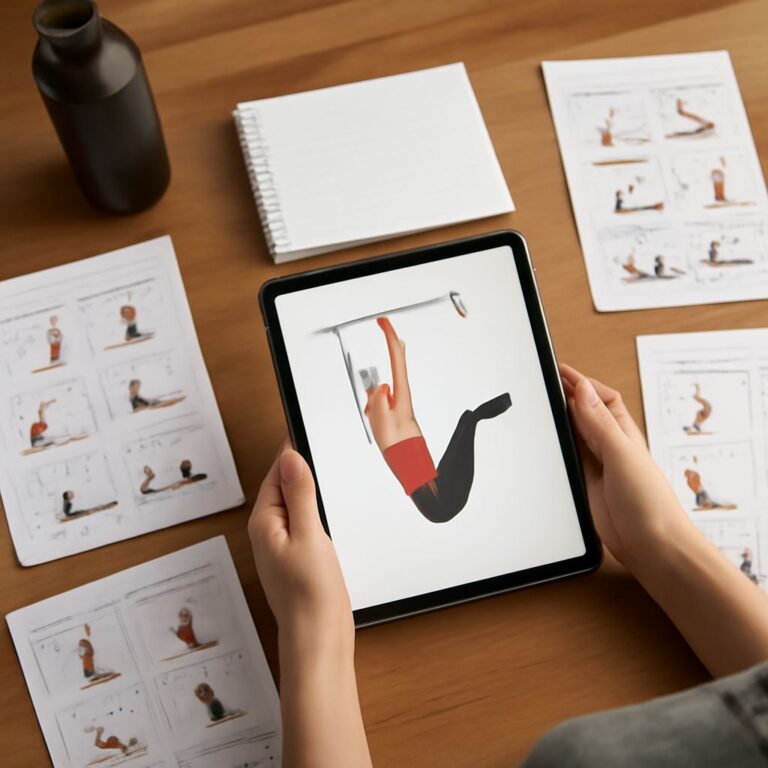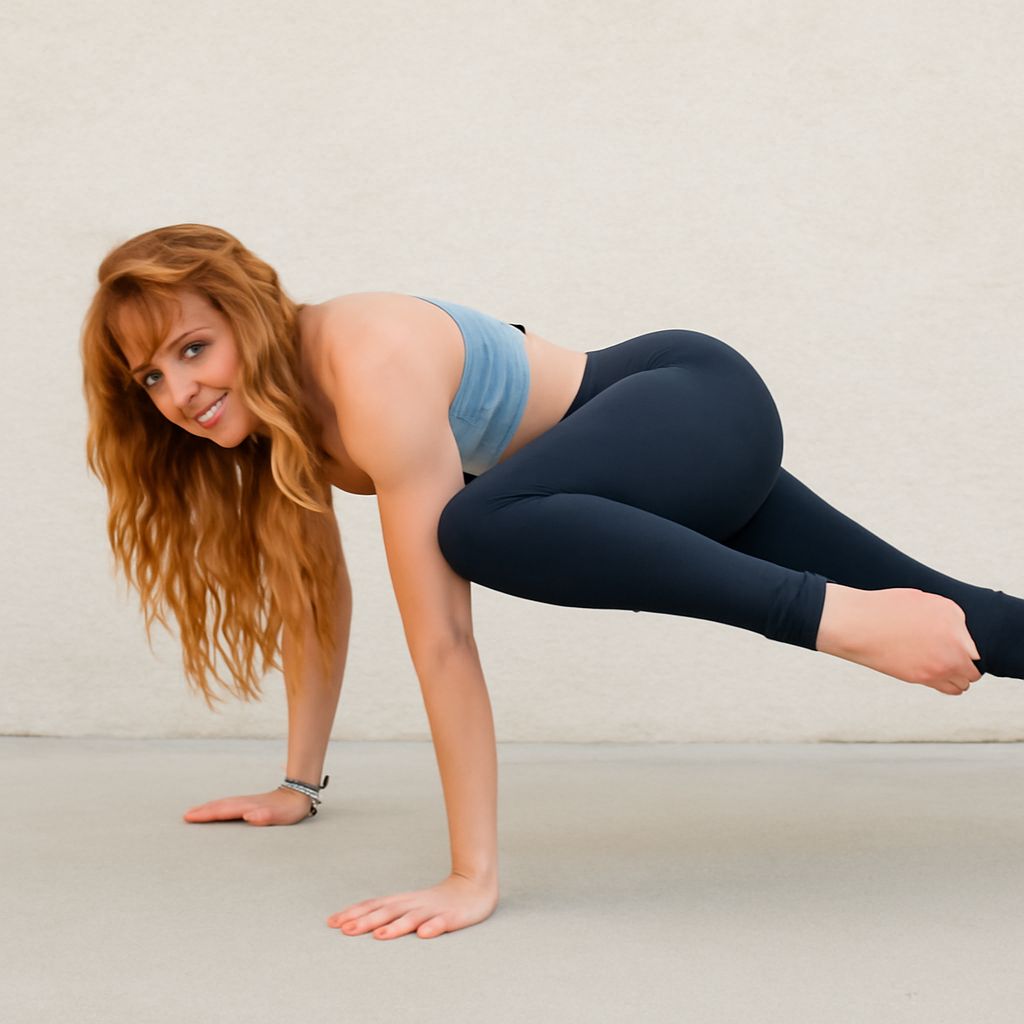
Many practitioners assume that balance in yoga is purely a flexibility achievement — that looser hips and a supple spine automatically produce steadiness. That assumption misses the core truth: yoga balance poses are primarily strength challenges, not flexibility tests. The ability to hold balance yoga poses with control comes from active muscular engagement, specifically in the ankle stabilizers, hip abductors, and core. Working with a skilled teacher familiar with foot mechanics — sometimes called yoga soles awareness — can reveal that most balance failures start at the foot, not the hips or spine. Yoga models photographed in impressive balance poses are often edited for ideal lighting and timing, creating the impression that these poses appear fully formed rather than emerging through years of progressive practice. Developing core balance yoga ability takes deliberate training across multiple planes of stability, not just repeating the same familiar poses until they feel comfortable.
Understanding what balance actually requires at the neurological and muscular level changes how you train for it. Here is what the science and experienced practice converge on.
The Neurological and Physical Foundations of Balance in Yoga
Foot Mechanics and Ankle Proprioception
The foot contains more proprioceptive nerve endings per square centimeter than almost any other body region. These receptors constantly report positional information to the cerebellum, which coordinates the micro-adjustments that maintain balance in real time. Practitioners who habitually wear heavily cushioned footwear may have reduced proprioceptive sensitivity in the foot, which directly impairs balance performance in standing yoga poses.
Training balance in bare feet on a varied surface — slightly uneven ground, a folded blanket, or a balance pad — challenges the proprioceptive system more effectively than practicing only on a flat, firm yoga mat. That progressive challenge builds the neural pathways that produce steadiness under the variable conditions of real practice.
The ankle joint must be both mobile and stable for effective balance. Ankle dorsiflexion — the ability of the ankle to flex toward the shin — directly determines how much hip and knee flexion is available in standing balance poses without the compensatory forward lean that collapses balance. Improving ankle dorsiflexion is among the fastest routes to immediate balance improvement for many practitioners.
Progressive Balance Training for Yoga Practitioners
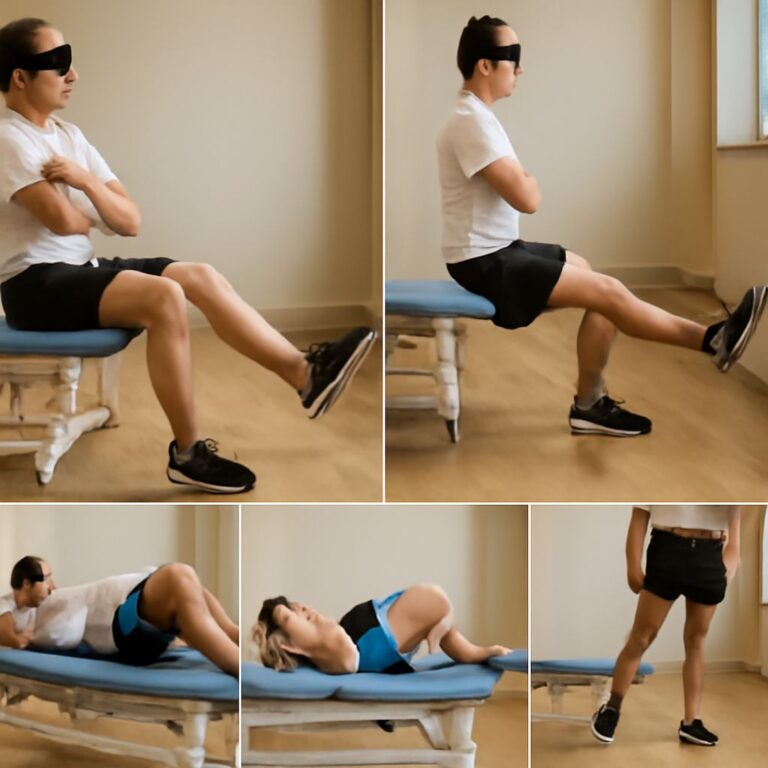
Building balance ability requires progressive difficulty, not just repetition of familiar poses. Tree pose practiced with eyes open on a flat mat becomes a different challenge with eyes closed. The same challenge on a slightly unstable surface becomes harder still. Systematically advancing difficulty — surface, vision, arm position, added movement — is what produces genuine balance development rather than pose habituation.
Warrior III is among the most instructive yoga balance postures because it clearly reveals hip and core strength deficits alongside balance limitations. Practitioners who compensate by rounding the spine or allowing the standing hip to hike need hip strengthening work more than balance repetition. Correcting the compensation produces faster balance improvement than continuing to practice the compensated version.
Half-moon pose challenges balance in a lateral plane rather than sagittal, requiring a different stabilization response than forward-facing poses. Including lateral balance challenges alongside sagittal ones produces more complete balance development. Practitioners who train only forward-facing single-leg poses often have significant underdeveloped lateral stability that emerges quickly when half-moon is added to regular practice.
Rest intervals between balance attempts matter. Brief periods of bilateral standing after each balance pose attempt let the nervous system consolidate the proprioceptive input before the next trial. Rushing from one attempt to the next without pause reduces the learning effect of each repetition.
Safety recap: Practice balance poses near a wall until ankle and hip strength are adequate to recover from minor wobbles without falling. Barefoot practice on flat, clean surfaces reduces foot injury risk while maximizing proprioceptive feedback. Never force joint position in balance poses to maintain appearance of stability — controlled wobble is more productive than forced stillness.