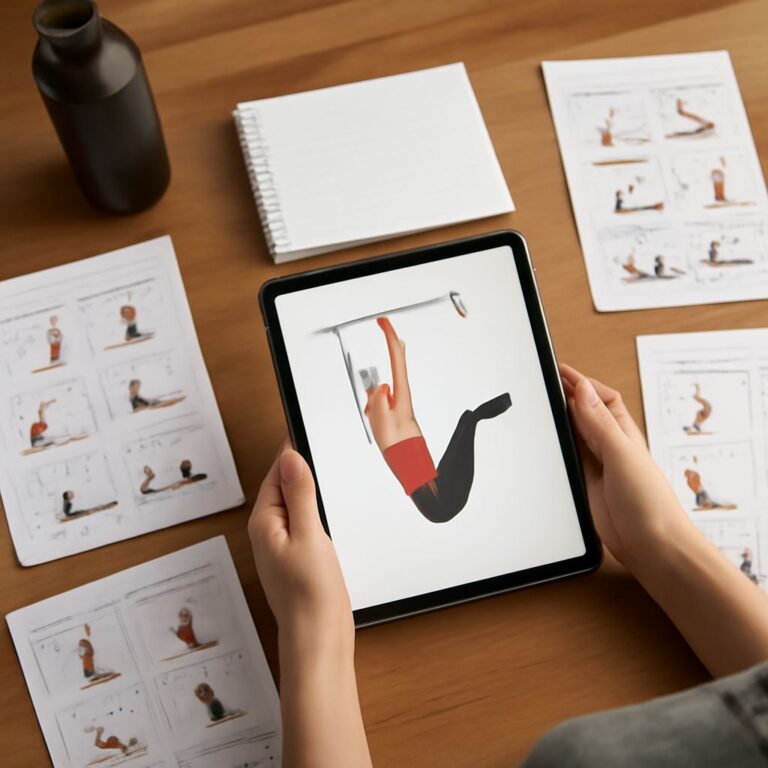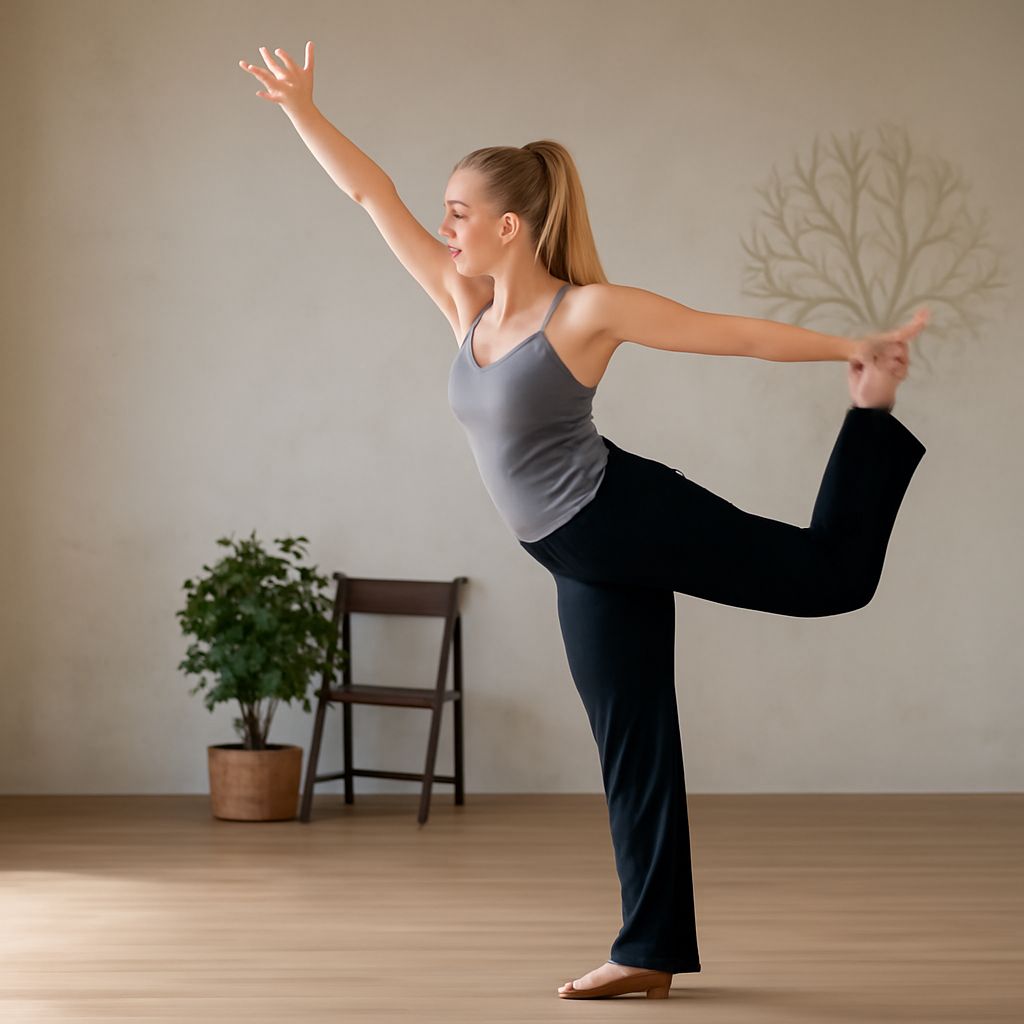
A common assumption is that dancer pose yoga is purely a flexibility display — the more you can arch and reach, the better. That framing misses what makes the pose genuinely valuable. Natarajasana requires active strength in the standing leg, controlled extension in the kicking leg, and shoulder flexibility that many practitioners underestimate until they try it. Butterfly yoga pose — a hip-opening seated posture — shares the theme of front-body release that dancer demands, though the two poses target different structures at different depths. The dancers pose yoga preparation sequence should address hip flexor length, thoracic extension, and shoulder elevation systematically rather than jumping straight into the full expression. Softer, chest-opening postures like yoga pose cobra are excellent intermediate steps toward the full backbend component. For practitioners working on spinal mobility in multiple directions, bear pose yoga approaches tabletop spinal extension from a different angle, making it a useful complement to dancer preparation work.
Getting the most from this pose requires understanding its full movement demands — not just the aesthetic finish position. Here is how to build toward it intelligently.
Building the Strength and Mobility for Dancer Pose
Hip Flexor Release and Shoulder Preparation
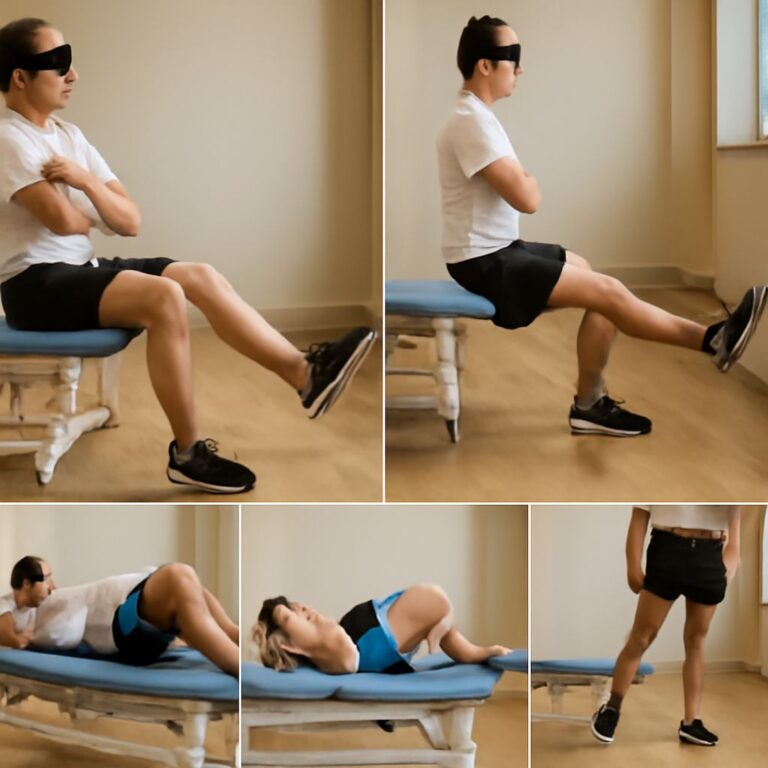
The quadriceps and hip flexors of the lifted leg must be both strong and lengthened to achieve the characteristic arch of dancer pose. Most practitioners have adequate quad strength but insufficient hip flexor length on the dominant side, which prevents the thigh from rising far behind the pelvis. Dedicated hip flexor stretching — low lunge, crescent pose, and extended supine quad stretches — held for ninety seconds or more in each session builds the tissue length that makes the pose accessible.
Shoulder elevation and thoracic extension are the overlooked preparation needs. The reaching arm must achieve significant overhead extension while maintaining shoulder blade stability. Practicing standing backward arm sweeps, cobra variations, and gentle bridge work builds the combined thoracic and shoulder mobility that the reaching arm demands. Practitioners who struggle to keep the reaching arm straight and vertically aligned typically need more thoracic work rather than more shoulder stretching.
Balance training is the third pillar. Single-leg balance in Warrior III or extended hand-to-big-toe pose builds the stability required to hold dancer’s complex position without constant micro-corrections that prevent the pose from settling. Balance practice at a consistent time each session — ideally before attempting dancer — produces faster improvement than sporadic balance work.
Sequencing Cobra, Butterfly, and Bear Pose for a Complete Backbend Warm-Up
Cobra activates the back extensors and opens the anterior chest and abdominals in a prone, supported position. Starting a backbend-focused sequence here is structurally sound: the floor provides feedback, the arms modulate the depth of extension, and the pose is accessible to almost every practitioner. Moving from cobra through sphinx, then into locust variations, builds progressive posterior chain activation before any standing work begins.
Butterfly pose in its seated form brings the inner thighs and hip adductors into contact with gravity, producing a passive hip opening that complements the active opening demands of dancer. Holding butterfly for two to three minutes with a forward fold component provides the connective tissue input that speeds hip flexor adaptation.
Bear pose — in its tabletop variation with knees hovering — demands active spinal extension and core control simultaneously. This combination prepares the back extensors for the sustained engagement that dancer’s arch requires while training the practitioner to maintain breath quality under muscular demand.
Next steps: Spend at least three sessions building hip flexor length, thoracic extension, and single-leg balance before attempting your full dancer pose expression. Record your starting position and check your progress monthly — the improvements in this pose reflect deep structural changes that accumulate gradually rather than overnight.