Front squats have a reputation for being harder to learn than back squats. That’s true. The front barbell squat demands more thoracic mobility and wrist flexibility, which creates a barrier for beginners. But the exercise produces results that back squats don’t replicate, particularly in quad dominance and upper back strength. The difficulty is part of the value, not a reason to avoid it.
The debate around hack squat vs barbell squat and goblet squat vs barbell squat often comes down to access and preference. All three develop the lower body effectively. The differences lie in load capacity, balance demand, and which muscle groups bear more of the work. Understanding those differences helps you choose and program intelligently.
What Do Front Squats Work and How to Perform Them
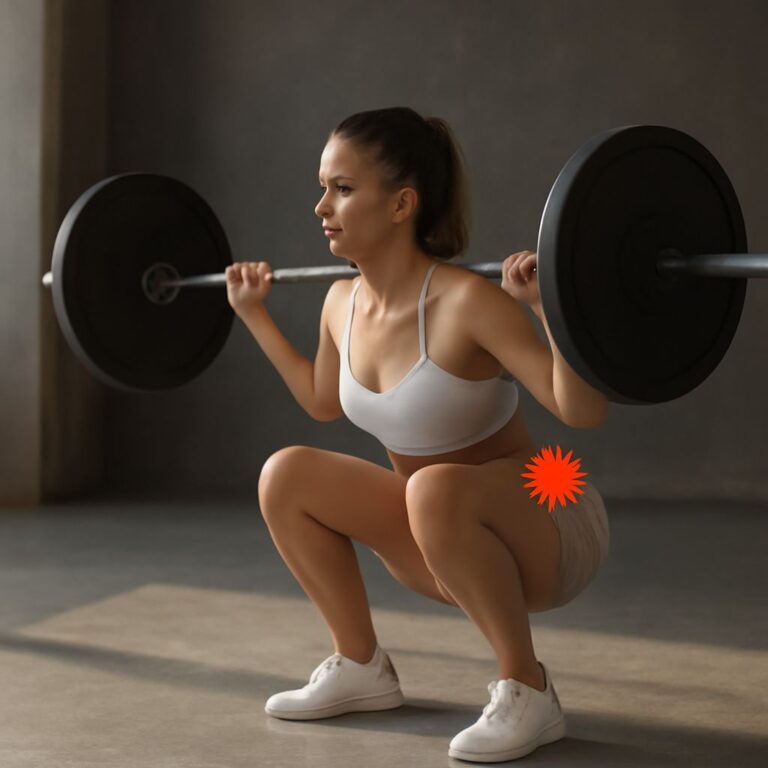
What do front squats work compared to back squats? The torso angle is more upright in the front squat, which shifts load onto the quadriceps and reduces shear force on the lower back. The upper back works hard to keep the bar in the rack position without folding forward. Glutes and hamstrings are still involved but less so than in a back squat.
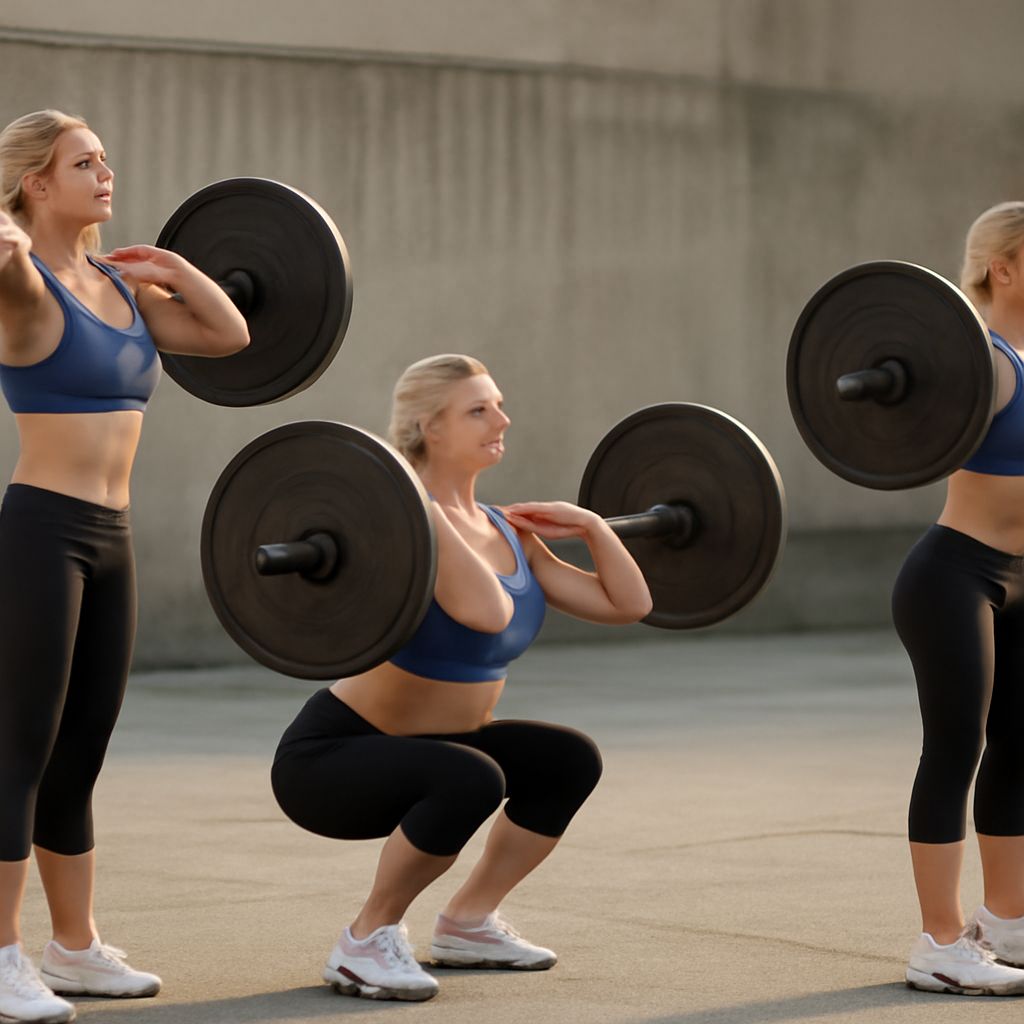
The front barbell squat rack position requires the bar to rest on the front deltoids with fingertips under the bar for support, elbows high. Many beginners find wrist discomfort here. A cross-arm variation places the arms crossed over the bar instead, which works until wrist mobility improves.
Descend with control, keeping the elbows up throughout. If the elbows drop, the bar rolls forward and the whole lift collapses. That’s the most common breakdown point. Practice with lighter weight until the pattern is automatic before adding load.
Hack Squat vs Barbell Squat and Goblet Squat vs Barbell Squat
The hack squat machine guides the movement along a fixed path, removing balance demands and allowing higher loads with less skill. It emphasizes the quads similarly to the front squat but without the upper body positioning demands. Useful for volume work when the goal is quad hypertrophy rather than movement skill.
The goblet squat vs barbell squat comparison is more about training phase than superiority. Goblet squats teach the hip-hinge and knee-tracking patterns with a counterbalancing dumbbell or kettlebell at the chest. Load capacity is limited. Once technique is solid, the barbell front squat allows progressive overload that the goblet squat cannot match.
Program front squats at the start of a lower body session when energy and focus are highest. Three to four sets of four to six reps for strength, or five to six sets of eight to twelve for hypertrophy. The upper back fatigue limits total volume, so front squat sessions tend to be shorter than back squat sessions at comparable intensities.